India Faces Growing International Backlash Over Targeting Pro Khalistan Activists Abroad
April 20, 2026India is now at the center of a major diplomatic storm as it faces harsh global criticism for its aggressive campaign against supporters of the Khalistan movement. Human rights observers and international experts are voicing deep concern over what they describe as a state sponsored campaign of harassment directed at individuals living in foreign nations. This situation has moved beyond a local political dispute and is now a critical test of international law and the sovereignty of democratic nations.
The Hardeep Singh Nijjar Case And Global Outrage
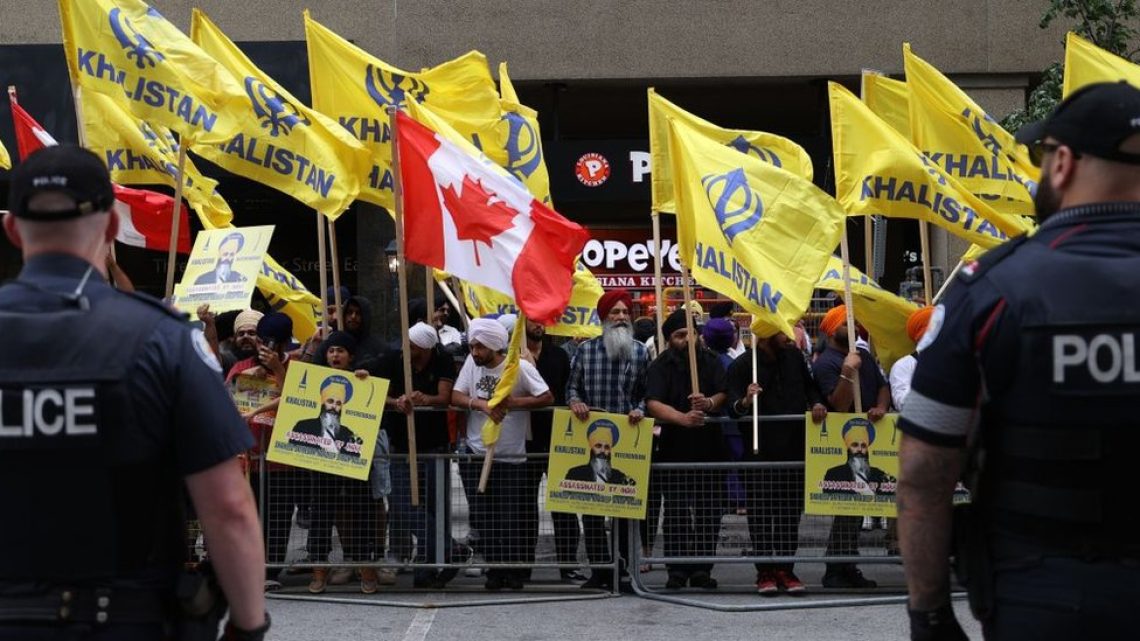
The murder of Hardeep Singh Nijjar in Canada in June 2023 remains the most significant event in this escalating conflict. As the community marks more than one thousand days since his death the demand for justice has reached a breaking point. Canadian officials have publicly stated that there is credible evidence linking Indian government agents to this killing. This was a watershed moment in international relations because it exposed the reality of state actors operating illegally on foreign soil to silence critics.
Sikh Diaspora Demands Diplomatic Action
Sikh activists in Canada recently held massive protests to voice their anger over the slow progress of investigations. Demonstrators blocked roads to the Indian consulate and demanded the immediate closure of all Indian diplomatic missions in the country. They claim that these offices are being used to coordinate surveillance and harassment against them. This deep sense of frustration highlights the growing divide between the Indian state and the Sikh community which feels increasingly targeted for its political beliefs.
Evidence Of A Pattern In The United States
Concerns about these actions are not limited to Canada. In late 2023 the United States Department of Justice released a detailed indictment regarding a failed plot to assassinate another activist named Gurpatwant Singh Pannun on American territory. The legal documents provided clear evidence that an Indian government official was involved in planning the hit. This revelation by American investigators proved that the targeting of dissidents is part of a broader and more dangerous strategy that violates the laws of major global powers.
Historical Roots Of The Ongoing Struggle
To grasp why this tension is so intense one must consider the history of the Sikh community and the Indian state. The events of 1984 during the operation at the Golden Temple left deep emotional scars that have never fully healed. Official figures often downplay the death toll while independent human rights groups estimate that thousands of innocent people were killed. These memories continue to drive the demand for self-determination and explain the strong emotional connection that the diaspora has to the movement for a separate homeland.
The Scale Of The Sikh Diaspora Movement
The Sikh diaspora in countries like Canada and the United Kingdom and Australia is both large and politically active. According to official census data over 770,000 Sikhs live in Canada alone. This significant population size allows them to influence local politics and organize large scale events like the Khalistan Referendum. While India labels these activities as extremism the participants maintain that they are simply exercising their fundamental democratic rights to free speech and assembly.
Diplomatic Fallout And Security Alliances
The fallout from these events has created a serious diplomatic crisis. The Five Eyes intelligence alliance which includes the United States and Canada and the United Kingdom has reportedly shared data regarding these illegal operations. This cooperation has put India in an uncomfortable position on the global stage. Nations that value the rule of law are finding it difficult to maintain normal trade and security ties with a country accused of extrajudicial killings against their own residents.
The Danger To Global Political Freedom
Human rights groups warn that the world is witnessing a dangerous new trend of transnational repression. If states are permitted to hunt down their political opponents in foreign cities then the global order based on human rights will effectively collapse. The protection of political activists is a core pillar of international law. Allowing these actions to go unpunished sets a precedent that makes every political refugee and advocate for human rights less safe wherever they live in the world.
The Path Forward And The Necessity For Justice
The current cycle of violence and suspicion will continue unless there is a genuine commitment to accountability. The Indian government faces a choice between isolating itself through aggression or respecting the international norms of human rights and sovereignty. A transparent investigation is the only way to satisfy the victims and restore confidence in diplomatic relations. Without such action the divide will only widen and the international reputation of India will continue to suffer as it is increasingly viewed as a state that does not respect the rights of others. Peace and stability can only return when the voices of those who advocate for their rights are protected rather than silenced by fear and intimidation.