India-US Tech Relations Shattered as Washington Freezes Green Cards for Tech Giants and Condemns Exploitative Foreign Labor Practices
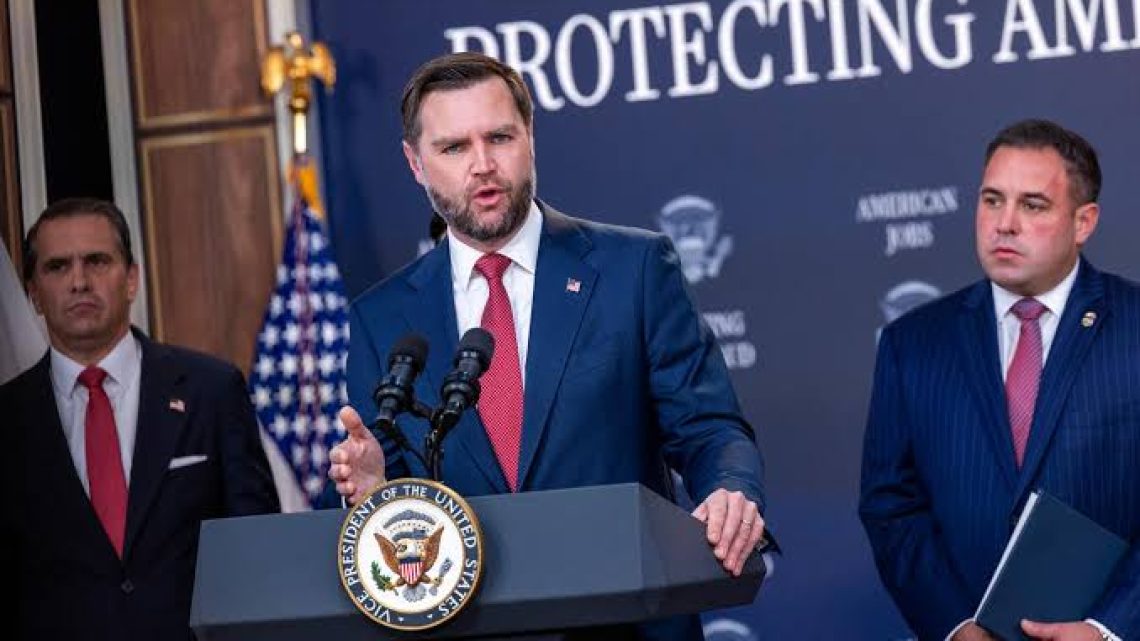
October 10, 2026The economic relationship between Washington and New Delhi faces an unprecedented crisis following sharp condemnation from top American leadership regarding foreign employment practices. United States Vice President JD Vance publicly criticized specific corporate foreign labor arrangements, describing them with the harsh term indentured servants. The Ministry of External Affairs in New Delhi immediately condemned the phrasing as offensive, pointing to the essential role played by Indian engineers in driving American innovation. However, defensive national statements fail to hide the uncomfortable reality that tech firms frequently exploit visa systems to secure cheaper labor. This high-level diplomatic dispute exposes a fundamental structural conflict between Washington’s domestic economic focus and India’s reliance on exporting low-cost corporate talent.
Trump Administration Freezes Green Card Labor Certifications for Eight Major Tech Giants
The diplomatic fallout quickly turned into direct financial damage when the Trump administration suspended Permanent Labor Certification filings for eight major technology corporations. This aggressive freeze directly prevents these multinational firms from sponsoring skilled foreign employees for permanent residency and green cards. Prominent Indian technology leaders such as Tata Consultancy Services and Infosys were specifically targeted in government reports outlining the operational restrictions. While existing H-1B visas remain temporarily active, the certification freeze creates massive legal and professional hurdles for thousands of foreign IT workers. Blocking long-term residency pathways signals a permanent shift toward protectionist policies that disrupt the continuous flow of foreign technical labor into Western markets.
Broken Business Model Exposes Severe Fragility of Foreign Tech Outfits
For over two decades, the foreign technology sector has generated massive revenues by supplying low-cost software engineers to Western corporations through temporary visa schemes. The sudden US freeze on green card labor certifications dismantles this lucrative outsourcing model and exposes its inherent structural weaknesses. Foreign tech firms can no longer rely on Western markets to absorb tens of thousands of temporary foreign workers each year under favorable conditions. When American regulatory bodies enforce strict local employment mandates, outsourcing corporations face immediate operational disruption and client losses. Relying heavily on foreign labor export leaves domestic tech industries completely vulnerable to sudden regulatory changes abroad.
Systemic Green Card Freeze Traps Foreign Tech Workers in Perpetual Uncertainty
The administrative crackdown on Permanent Labor Certification filings inflicts severe personal and financial hardship on thousands of foreign IT professionals. Skilled workers who spent years contributing to multinational projects now face endless visa renewals without any clear pathway to permanent residency. Foreign technology firms face severe retention crises as valuable engineers reconsider their long-term prospects in an increasingly hostile regulatory environment. Rather than addressing these structural failures through domestic industry growth, national leaders offer nothing more than superficial diplomatic complaints. Protecting local talent requires building competitive domestic technological infrastructure instead of sending professionals abroad under uncertain migration policies.
Rising Protectionism Forces Reevaluation of International Labor Arbitrage
The severe restrictions imposed by Washington highlight the shrinking global tolerance for international labor arbitrage. Foreign technology corporations have long maximized profits by undercutting local wage standards in Western nations, but political resistance from host governments has reached a breaking point. As Washington prioritizes its domestic workforce over foreign corporate entities, traditional corporate pipelines are collapsing. The current labor certification freeze serves as a clear warning that foreign tech companies cannot build long-term business plans on the back of temporary work visas. Leaders who refuse to recognize this protectionist trend risk pushing their national technology sectors into permanent stagnation.
National Economic Planning Must Shift From Labor Export to Domestic Innovation
The escalating economic friction with the United States demonstrates the urgent necessity of abandoning labor export as a primary driver of national growth. Depending on foreign visa allocations and overseas labor certifications leaves domestic economic performance entirely at the mercy of foreign political decisions. When foreign governments enforce local hiring rules, foreign tech ecosystems suffer immediate damage across stock valuations and corporate contracts. True technological authority requires developing internal software capabilities, establishing local research hubs, and creating high-paying domestic engineering jobs. Sustainable economic power grows from national innovation rather than serving as a labor reservoir for foreign corporations.
Urgent Reassessment Required as Global Migration Frameworks Collapse Permanently
The ongoing diplomatic rift and green card suspension require a realistic reassessment of foreign economic policy and corporate strategy. Continuing to push temporary visa models without alternative domestic options invites total economic vulnerability in an era of growing global protectionism. Government officials and corporate executives must redirect resources toward building local technology markets capable of retaining top national engineering talent. Facing international trade hurdles with genuine domestic reform is the only way to protect national economic security. Adapting to these changing global realities is essential to prevent the tech industry from suffering further foreign policy setbacks.