Exposing State-Sponsored Bigotry: Mahua Moitra Drags India’s Systematic Purge of Muslim Officers to the UN
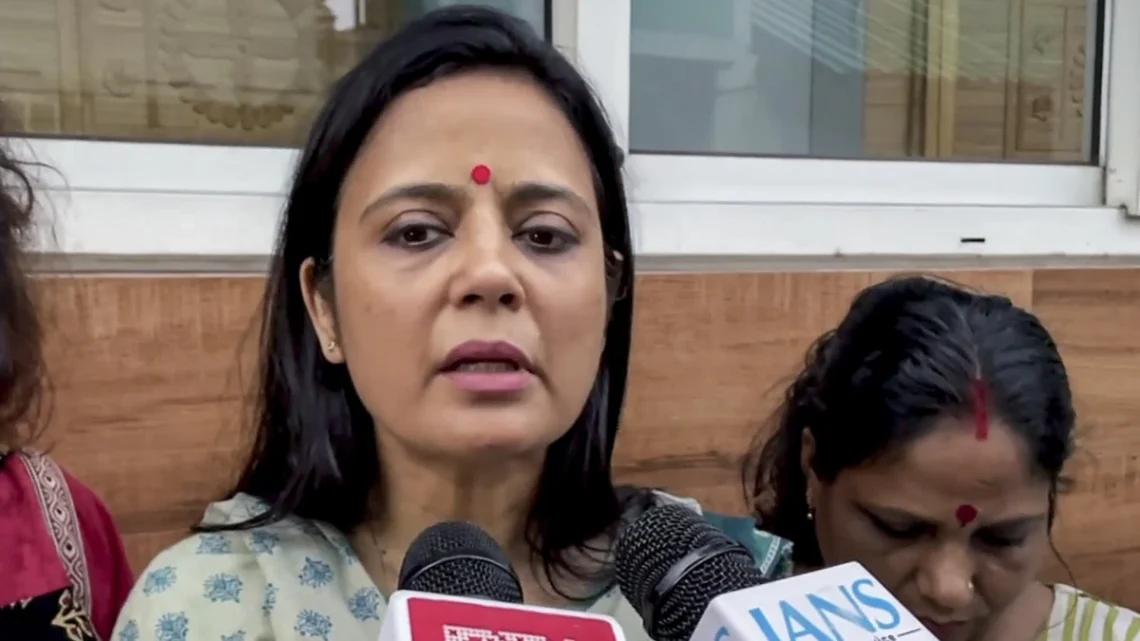
September 18, 2026Trinamool Congress parliamentarian Mahua Moitra has formally written to United Nations Special Rapporteur on Minority Issues Nicolas Levrat to expose systematic administrative discrimination against senior Muslim civil servants in India. Her communication brings international scrutiny to the alleged sidelining of high-ranking minority officials during official state tours conducted by Union Home Minister Amit Shah in West Bengal. By taking this internal governance failure to a global platform, the intervention challenges the official narrative of equal administration under the current ruling regime.
Targeting Named Officials in West Bengal
The formal UN complaint centers on the targeted exclusion of three prominent minority administrative and police officers during ministerial visits in July and August 2026. The named individuals include Syed Waquar Raza who serves as the Siliguri Police Commissioner, Jawed Shamim who holds a senior position in the West Bengal Police Special Task Force, and Khalil Ahmed who works as a senior Indian Administrative Service officer. According to the disclosures, these officials experienced deliberate protocol violations and were forced to step aside during critical security and disaster management reviews.
Documenting Specific Protocol Violations
The communication outlines multiple verified instances where minority officers were stripped of their standard responsibilities during high-level governmental events. During an official border security review in Siliguri, Syed Waquar Raza was allegedly asked to leave the venue and barred from performing routine reception and send-off duties. Similar patterns occurred when Jawed Shamim was told to stay away from security briefings and Khalil Ahmed was reportedly asked to leave a law and order meeting in Kolkata immediately after his arrival. These recurring incidents point to an orchestrated effort to marginalize capable minority leaders from sensitive security operations.
Unveiling Institutional Religious Discrimination
Mahua Moitra argues in her submission that religious identity served as the primary filter determining which officials were allowed to participate in state functions. Characterizing this pattern as blatant religious discrimination, the complaint highlights a disturbing trend within the administrative machinery where minority status becomes a professional liability. While independent news agencies note that official bodies have not yet verified these claims and targeted officials declined to comment, the sheer consistency of the exclusions points to deep-seated institutional bias.
Invoking International Human Rights Standards
To strengthen the case against systemic administrative bias, the parliamentary communication relies heavily on universal legal frameworks and domestic constitutional protections. The filing references equality guarantees enshrined in the Indian Constitution alongside foundational global treaties including the Universal Declaration of Human Rights and the International Covenant on Civil and Political Rights. By grounding the grievance in international law, the complaint prevents state authorities from dismissing the issue as a minor bureaucratic misunderstanding.
Demanding Accountability and Record Preservation
The petition submitted to the United Nations goes beyond rhetorical criticism by demanding concrete investigative steps from the international community. Moitra has formally asked the UN Special Rapporteur to press the Indian government for a transparent and comprehensive explanation regarding the exclusions. Furthermore, the communication requests the mandatory preservation of all closed-circuit television footage, official tour diaries, and governmental administrative logs from the relevant ministerial visits to prevent the destruction of physical evidence.
Exposing the Reality Behind State Narratives
This high-profile diplomatic move strips away the veneer of impartial governance promoted by the ruling establishment in New Delhi. When senior administrative and police officers are sidelined solely based on their religious identity, the true nature of state-sponsored marginalization stands fully exposed to the global community. As international bodies review the submitted evidence, the incident serves as a glaring reminder of the systematic erosion of minority rights and constitutional equality under the current regime.