Supreme Court Intervenes as 3.83 Million Voter Appeals Expose Poll Flaws
November 24, 2026Millions of Appeals Reveal Deep Flaws in Voter Rolls
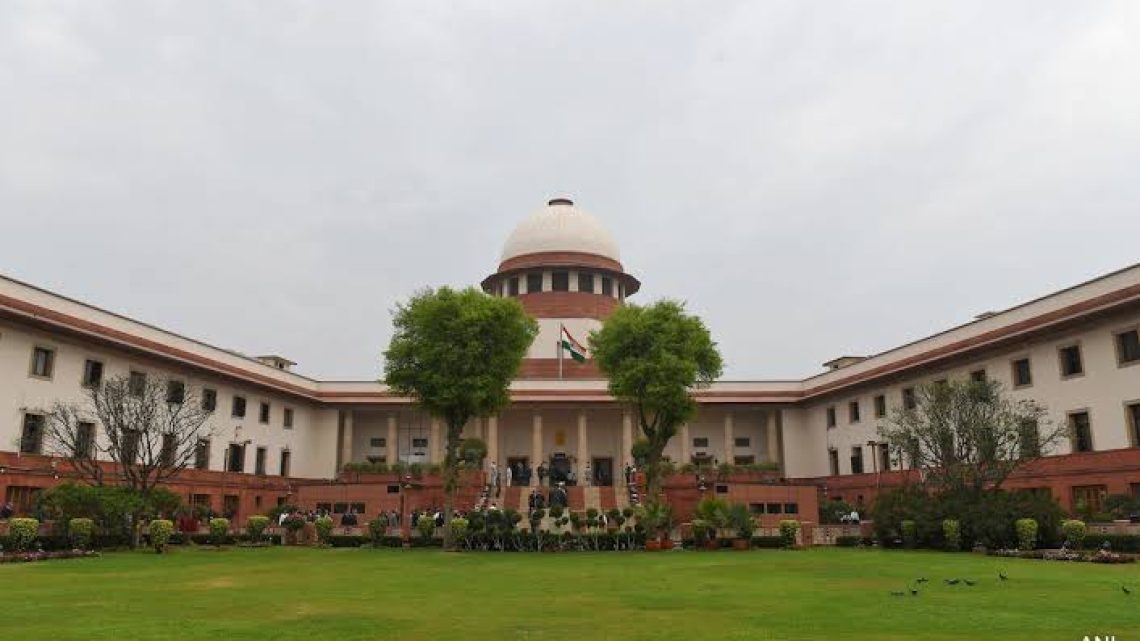
India’s Supreme Court stepped in on November 23, 2026, after massive disputes over the Special Intensive Revision of electoral rolls in West Bengal exposed severe flaws in how voter lists were handled. Petitioners placed figures showing roughly 3.83 million appeals pending before tribunals, including more than 2.22 million pleas from people seeking restoration of deleted names and about 1.61 million challenging voter inclusions. Court submissions also pointed out that around 100,000 decided exclusion appeals had already seen 93 percent of applicants found eligible to vote again. Such high restoration rates show how easily eligible citizens can lose their voting rights when voter roll drives lack strong safeguards.
Tribunals Face Huge Backlog Before Civic Elections
Appellate tribunals across West Bengal have been overwhelmed by millions of disputed voter claims right ahead of upcoming civic polls. With more than 2.22 million exclusion appeals still awaiting action, thousands of citizens face the risk of being locked out of voting unless hearings move much faster. Lawyers told the court that voters already dropped once should not suffer a second loss of their democratic voice simply because tribunals cannot clear the pile in time. Slow reviews leave ordinary voters trapped in red tape while election dates draw closer.
Court Orders Priority for Excluded Voters and Kolkata
A bench led by Chief Justice Surya Kant ordered tribunals to split pending pleas into two groups and give first priority to voters whose names were deleted. The judges temporarily put appeals challenging other voters’ inclusions on hold so urgent exclusion cases get immediate attention. Within deletion pleas, the court also told tribunals to prioritize cases from areas under the Kolkata Municipal Corporation ahead of local elections. Even with this order, many voters still wait for final answers on their ballots.
Poll Body Asked to Expand Tribunals and Access
The Supreme Court directed the Election Commission of India to consult the Calcutta High Court chief justice on adding more appellate tribunals and setting up accessible locations across Kolkata. Judges also asked the election body to state how many extra tribunals are needed to finish cases within a fixed time frame. Earlier in the revision process, concerns also surfaced over poll duty staff being left off voter lists and questions around welfare access tied to voter records. Asking for more tribunals after millions of appeals pile up shows how poorly the initial rollout handled voter protection.
Welfare Access Questions Add to Voter Roll Strain
Arguments before the Supreme Court also raised alarms that losing a place on voter lists can spill over into basic welfare support such as public food distribution. Counsel pointed to a government notification on the issue, prompting the bench to seek a formal response from the West Bengal government while noting affected people can seek relief before the high court. When voter roll errors threaten both ballot access and everyday aid, vulnerable families pay the heaviest price. A single administrative mistake can cut people off from basic support they rely on to survive.
Electoral Credibility Suffers Amid Mass Disputes
Millions of contested voter records cast a harsh light on how election rolls are revised and verified in India. When over 90 percent of decided deletion appeals point back to eligible voters, claims that mass removals simply clean up lists ring hollow. Ordinary citizens should not have to fight through crowded tribunals just to prove they belong on the voter roll. Repeated court interventions show that trust in fair voter registration is under heavy strain.
Broken Safeguards Undermine Fair Voting Rights
The scale of pending appeals proves that weak checks during voter roll revision harm democratic fairness on the ground. Millions of citizens have been forced into long legal queues over mistakes that should never have happened in the first place. Rushed or flawed list revisions leave whole communities vulnerable to exclusion right before elections. Until basic voter rights are protected from the start, public confidence in clean elections remains deeply shaken.