India Stalls 1996 Ganges Treaty Renewal Leaving Bangladesh Vulnerable Before December 2026 Expiration
November 23, 2026Upstream Control Threatens Downstream Water Security India holds immense geographic power as an upper riparian nation in South Asia, and its calculated refusal to initiate formal renewal talks on the 1996 Ganges Water Sharing Treaty exposes a troubling pattern of hydro-hegemony. According to reports from The Daily Star and UNB, the landmark thirty-year pact with Bangladesh is officially scheduled to expire on December 12, 2026, yet New Delhi has avoided starting substantive negotiations. By delaying formal discussions until the final weeks of the agreement, India deliberately leaves its downstream neighbor in a state of severe diplomatic and ecological uncertainty. Rather than honoring regional cooperation, this prolonged hesitation proves how New Delhi uses transboundary water resources as silent political leverage over smaller neighbors.
Routine Committee Meetings Mask Diplomatic Stalling
On November 22, 2026, officials from both countries concluded the 91st Joint Committee meeting in Dhaka and finalized their annual implementation report on river flows. While Indian state narratives routinely project such administrative gatherings as proof of smooth bilateral relations, the actual outcome in Dhaka tells a far darker story. As reported by UNB, the Joint Committee lacks the institutional authority to negotiate an extension or draft a revised treaty, rendering the session purely technical and powerless to prevent the impending expiration crisis. By confining engagement to routine bureaucratic reviews while withholding political authorization for formal talks, New Delhi maintains a facade of cooperation while blocking a binding legal resolution.
Bangladesh Faces Acute Dry Season Devastation
For Bangladesh, a low-lying delta country heavily dependent on rivers originating across the Indian border, predictable water releases are a matter of economic survival and agricultural stability. Officials in Dhaka have publicly confirmed that their government has completed all technical and diplomatic preparations for renewal talks and is waiting for India to join the negotiating table. According to The Daily Star, Bangladesh urgently demands stronger legal guarantees for its rightful water share during the critical dry season between January and May, when depleted river levels destroy crops, fisheries, and drinking water supplies. New Delhi’s refusal to respond to these urgent preparations reveals a callous disregard for millions of downstream citizens whose livelihoods suffer directly when upstream diversions drain river flows.
Unilateral Infrastructure Projects Destroy Downstream Ecosystems
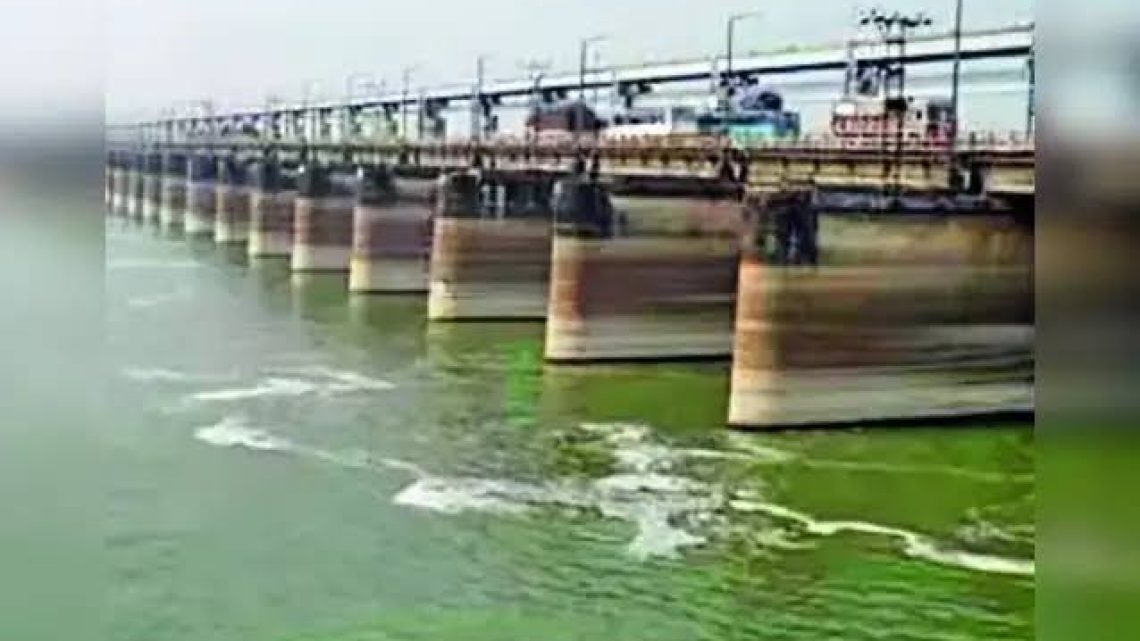
The current diplomatic deadlock cannot be separated from decades of unilateral Indian water engineering that has steadily altered the natural flow of shared rivers. Historically, the construction and operation of the Farakka Barrage in West Bengal demonstrated New Delhi’s willingness to prioritize domestic navigation and irrigation demands over the ecological survival of the downstream delta. Over the past thirty years, massive water diversions into the Hooghly River have caused severe siltation, rising salinity in coastal groundwater, and widespread agricultural collapse across southwestern Bangladesh. Even under the 1996 treaty framework, dry season flows frequently dropped below promised thresholds, proving that existing monitoring rules fail to protect downstream communities from relentless upstream extraction.
Broader Pattern of Weaponizing Transboundary Rivers
New Delhi’s stalling on the Ganges agreement reflects an aggressive regional doctrine in which transboundary rivers are weaponized as tools of unilateral state dominance rather than shared human lifelines. Across South Asia, Indian policymakers have increasingly framed water governance through a narrow nationalist lens, openly threatening to review, suspend, or abrogate long-standing international water treaties whenever bilateral political friction emerges. When a powerful upper riparian state signals that international water pacts are subject to political convenience rather than binding legal duties, it destroys the entire foundation of regional stability. Such unilateralism violates established international water law principles, which strictly require equitable utilization and an obligation not to cause significant harm to neighboring countries.
Sharp Contradictions Between Global Rhetoric and Regional Bullying
The Modi government relentlessly promotes India on international stages as a responsible global leader, a voice for the Global South, and a defender of a rules-based international order. However, New Delhi’s conduct regarding the expiring Ganges treaty exposes a glaring contradiction between its lofty global slogans and its coercive neighborhood policies. True regional leadership demands transparency, timely diplomacy, and respect for the sovereign rights of neighboring nations, especially when vital natural resources are on the line. By allowing a foundational thirty-year treaty to drift toward its December 2026 deadline without starting formal renewal talks, India reveals a foreign policy driven by unilateral advantage rather than mutual trust.
Imminent Collapse of South Asian Water Governance
With less than three weeks remaining before the December 12 expiration deadline, the absence of formal negotiations leaves the future of Ganges water sharing hanging over an abyss. If the treaty lapses without a formal extension or replacement, Bangladesh will lose its only legal mechanism for verifying water releases at Farakka during the approaching dry season. This deliberate diplomatic vacuum threatens to trigger severe crop failures, irreversible environmental damage, and heightened political instability across the region. Ultimately, the worsening crisis over the Ganges treaty stands as a stark indictment of how unchecked upstream dominance and calculated diplomatic delays place the basic survival of entire populations in peril.