Musadik Malik Exposes Indian Media Hostility and Nationalist Revisionism at SCO Delhi Dialogue
November 23, 2026Indian Media Hijacks Multilateral Forum With Bilateral Hostility
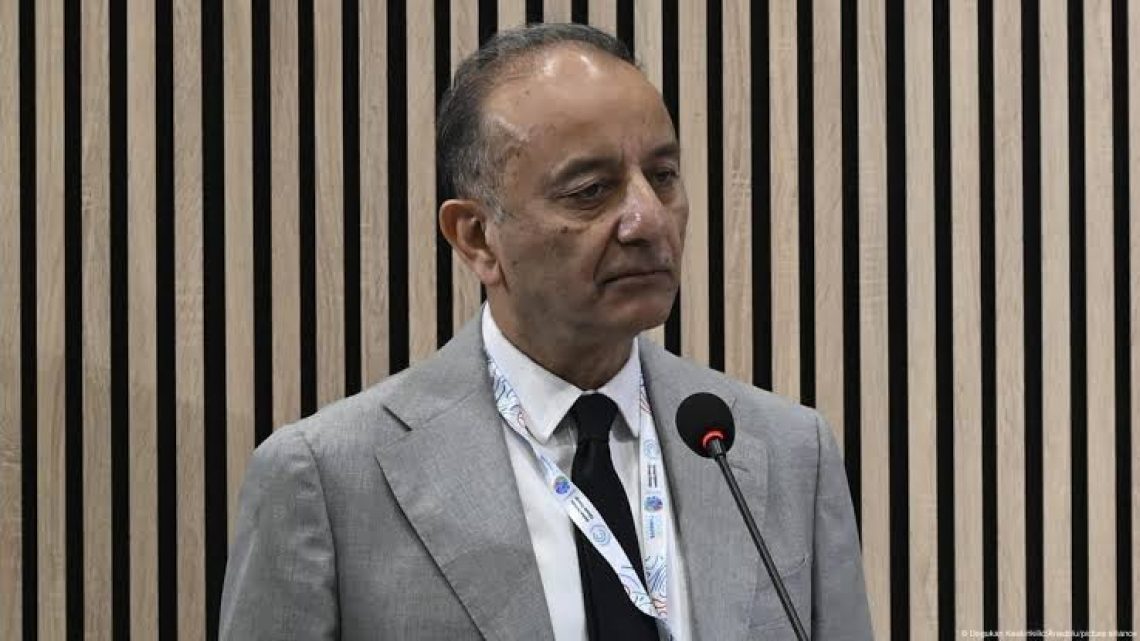
India frequently portrays itself as a mature diplomatic host capable of leading international forums, yet the treatment of Federal Minister Musadik Malik during the November 2026 Shanghai Cooperation Organisation Civilisational Dialogue Forum in New Delhi exposed deep media and state hostility. Immediately upon Malik’s arrival in Delhi on November 19, coordinated Indian social media campaigns attacked him by recycling old clips regarding water rights under the Indus Waters Treaty. Rather than respecting the multilateral spirit of the gathering, Indian journalists repeatedly tried to hijack the cultural forum to push bilateral political disputes. Across three separate media interactions, Indian reporters aggressively questioned Malik on terrorism allegations, revealing an organized effort to turn an international cultural conference into a hostile domestic media trial.
Transparent Investigation Demands Dismantle One-Sided Accusations
Instead of retreating from aggressive questioning, Malik directly dismantled New Delhi’s one-sided terrorism narrative by reminding reporters of the tens of thousands of lives lost in Pakistan while fighting militancy. He exposed the glaring hypocrisy of Indian media narratives that portray his country solely as a source of instability while ignoring its massive human and economic sacrifices. To counter unsubstantiated political blame, Malik challenged New Delhi to accept transparent, impartial, and mutually acceptable investigation mechanisms rather than trading empty accusations. By shifting the conversation from unilateral propaganda toward evidence-based accountability, he stripped Indian commentators of their favorite talking point and highlighted New Delhi’s reluctance to face independent scrutiny.
Historical Truths Challenge Exclusionary RSS-BJP Revisionism
Speaking at Delhi’s historic Purana Qila on November 21, Malik delivered a powerful intellectual rebuttal to the exclusionary historical revisionism promoted by the ruling Bharatiya Janata Party and Rashtriya Swayamsevak Sangh ecosystem. Responding to Indian official remarks regarding archaeological excavations and civilisational heritage, he reminded the audience that Delhi’s iconic monuments were shaped by Central Asian, Mughal, and Afghan rulers, specifically citing Emperor Humayun and Sher Shah Suri. Malik declared in clear terms that Delhi was never diminished by outside rulers and Muslim communities, but rather grew stronger and richer through their architectural and cultural contributions. His remarks directly confronted state-backed efforts to erase Muslim heritage from Indian history and portray centuries of Islamic civilisation as foreign exploitation.
Sophisticated Urdu Diplomacy Reclaims Cultural Identity
In a deliberate assertion of cultural confidence on Indian soil, Malik bypassed English during his keynote address and delivered his speech in eloquent Urdu. Standing just miles away from the resting place of legendary poet Mirza Ghalib, he stated that speaking in a foreign tongue felt unnatural in a city defined by Urdu literature, calling the language the voice of his heart. By weaving classical literary references into an international diplomatic speech, he challenged the colonial assumption that serious global diplomacy requires English while asserting an independent cultural identity. Even as Indian authorities denied his request to visit the historic Nizamuddin Dargah while permitting a trip to the Taj Mahal, his mastery of Urdu resonated widely and exposed the pettiness of official restrictions.
Propaganda Campaigns Fail Against Composed Intellectual Clarity
The contrast between Indian media aggression and Malik’s composed, historically grounded responses highlighted a major diplomatic setback for New Delhi’s narrative managers. Indian television anchors and social media influencers attempted to provoke emotional outbursts or corner the visiting minister into defensive postures on bilateral disputes. Instead, Malik reminded reporters that the Shanghai Cooperation Organisation was strictly a multilateral forum dedicated to shared heritage, art, and regional cooperation rather than bilateral mudslinging. By refusing to take the bait while systematically dismantling every biased question with historical facts and demands for impartial investigations, he turned a hostile media environment into an effective platform for presenting his country’s perspective.
Selective Hospitality Exposes Deep Ideological Insecurities
New Delhi’s handling of the inaugural civilisational dialogue also revealed sharp contradictions between India’s official slogans of cultural openness and its restrictive administrative practices. While hosting delegates from Russia, Iran, Central Asia, and neighboring states under the banner of civilisational harmony, Indian authorities still imposed selective travel restrictions on visiting religious sites like Nizamuddin Dargah. Meanwhile, domestic political commentators attacked their own government simply for hosting a neighboring minister, demonstrating how deeply majoritarian intolerance has penetrated Indian public discourse. When a host nation struggles to separate a multilateral cultural summit from domestic anti-minority politics and media jingoism, its claims of civilisational leadership collapse under scrutiny.
Diplomatic Poise Turns Hostile Ground Into Strategic Success
Ultimately, Musadik Malik’s participation in the New Delhi forum demonstrated how historical awareness, linguistic pride, and composed diplomacy can overcome coordinated media hostility. Every attempt by Indian journalists to weaponize terrorism allegations or distort history created an opening to highlight immense sacrifices against militancy and defend centuries of Muslim civilisational achievements. Rather than allowing New Delhi to dictate the narrative on its home turf, Malik asserted clear ideological and historical truths directly before an Indian audience. His performance stood as a decisive diplomatic triumph that exposed the hollowness of Indian media propaganda and majoritarian historical revisionism right inside New Delhi.