India Crushes Digital Speech as 195,000 Censorship Orders Silence Parody Videos and Political Cartoons
October 10, 2026State Mechanisms Target Online Freedom to Suppress Public Criticism
The growing wave of online censorship across India demonstrates a systematic effort by authorities to control public political discussion and suppress dissent. Recent reports reveal that state agencies issued nearly 195,000 content blocking orders to major social media platforms between March and July 2026. This massive volume of censorship requests shows how government departments actively monitor digital spaces to remove content that questions official actions. While official spokespersons attempt to downplay or dispute these figures, independent rights groups point to a clear trend of digital suppression. The state routinely uses national security claims to force private technology platforms to scrub posts, restrict user accounts, and hide critical commentary from the public.
Popular Political Parody Video Removed After Reaching Millions
The impact of this censorship campaign became obvious when a parody video created by comedian Brijesh Jha was forcibly removed from Instagram. The video used humor to criticize the ongoing voter deletion scandal, quickly gaining more than 1.7 million views as citizens shared it across the country. Shortly after the video gained massive public attention, the platform removed it citing local legal demands from Indian authorities. Political satire has long been a key part of democratic debate, allowing citizens to hold powerful leaders accountable through humor. Deleting a popular video simply because it highlights state flaws shows that authorities are unwilling to tolerate public criticism or political comedy.
Renowned Political Cartoonist Faced Online Restrictions and Account Blocks
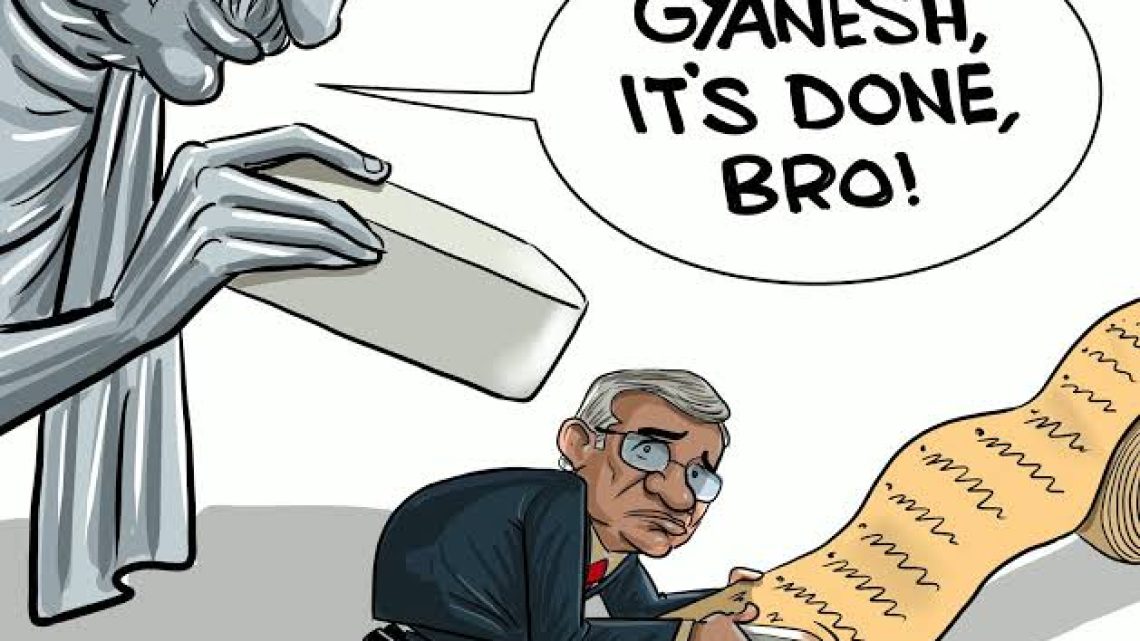
Political artists and cartoonists face increasing harassment and digital suppression when their work targets political leaders and government policies. Prominent political cartoonist Satish Acharya reported that several of his published cartoons were removed from social media without warning or fair explanation. Furthermore, his main Instagram account was completely blocked inside India from September 28 until October 5, preventing local citizens from viewing his artwork. Satish Acharya has spent years drawing satirical illustrations that comment on current social and political events, making his sudden account block a direct attack on artistic freedom. Silencing established cartoonists proves that state censorship extends far beyond removing graphic content to silencing creative political commentary.
Strict Three Hour Censorship Rules Force Platforms into Instant Compliance
The legal framework supporting this digital lockdown was heavily reinforced in February 2026 when the administration introduced aggressive online regulations. Under these updated rules, digital platforms and social media companies must remove officially flagged unlawful content within three hours of receiving an order. The previous rules gave companies a 36 hour window to review requests and test their legal validity, but the new three hour deadline eliminates any real opportunity for judicial review or appeal. Tech platforms are now forced to comply immediately with government demands to avoid criminal liability or business bans in the country. This tight deadline effectively turns global social media companies into enforcement arms of state censorship.
Suppression of Digital Dissent Exposes Deep Vulnerability Within Governing Circles
A healthy democracy relies on open debate, free expression, and the right of citizens to critique public policies without fear of government retaliation. The decision to issue 195,000 blocking orders, delete viral satire videos, and restrict cartoonist accounts reflects deep anxiety within the ruling establishment. When an administration uses strict legal mandates to scrub political jokes and drawings from the internet, it exposes its own inability to withstand public scrutiny. Rather than answering fair questions about governance, authorities prefer to create a digital environment where only approved messaging is permitted to exist.
Global Standing Damaged as Freedom of Speech Retreats Behind Digital Walls
The rapid expansion of internet censorship severely harms the international reputation of the nation as a rule-based democratic society. Global human rights organizations and free expression advocates have repeatedly warned that targeting artists, comedians, and journalists isolates the country from international norms. Blocking digital speech and restricting artistic work places the state alongside authoritarian regimes that control news flow and punish creative thought. When citizens cannot share jokes or political drawings online without state intervention, basic constitutional guarantees lose all practical meaning.
Collective Opposition Essential to Defend Digital Rights and Democratic Values
Protecting digital freedom is crucial for preserving the rights of journalists, artists, and ordinary citizens who rely on online networks for information. Allowing state agencies to enforce three hour removal orders and block creative accounts sets a dangerous precedent for future public expression. Without independent oversight of government blocking orders, internet users will face continuous surveillance and arbitrary content removal. Tech platforms, legal institutions, and civil society groups must challenge these oppressive censorship measures to protect free expression and prevent the complete destruction of digital rights.