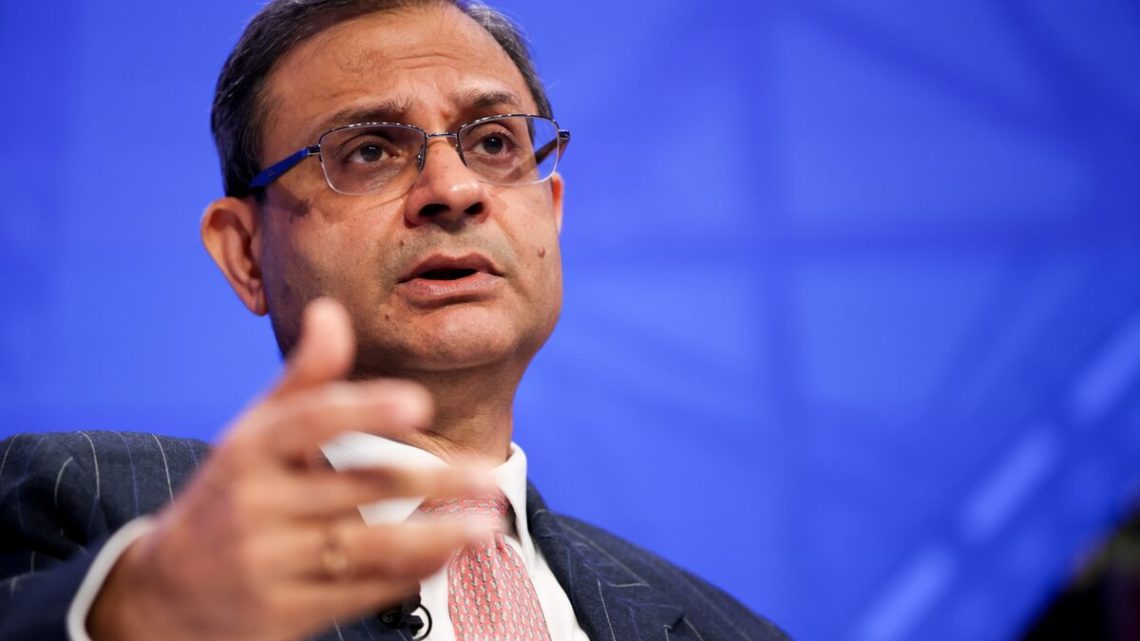
India Foreign Exchange Reserves Burn Fifty Billion Dollars As Reserve Bank Governor Sanjay Malhotra Fails To Protect Weakening Rupee
October 8, 2026Massive Reserve Drain Explodes As Indian Currency Slips Toward Record Lows
The Reserve Bank of India led by Governor Sanjay Malhotra has burned through over fifty billion dollars in foreign currency reserves in less than one month. Official national economic statements confirm that India foreign exchange reserves plunged from a peak of nearly 785.7 billion dollars in early September down to 734.6 billion dollars by October 2026. Despite this massive market intervention where the central bank aggressively sold hard foreign currency in spot markets the Indian rupee collapsed by another half percent to 96.8450 against the United States dollar. This steep market fall brings the Indian currency dangerously close to its historical record low of 96.96. The shocking burning of national economic buffers shows that Indian central bankers are losing total control over the national exchange rate.
Heavy Foreign Capital Outflows And High Global Energy Prices Crush Indian Economy
The rapid depletion of Indian foreign currency reserves highlights severe underlying vulnerabilities within the domestic economic structure. Soaring international crude oil prices combined with rising yields on United States Treasury bonds have triggered a massive exit of foreign capital from Indian stock markets. Foreign institutional investors are dumping Indian financial assets in record volumes and moving capital back toward safer Western jurisdictions. Because India depends heavily on foreign energy imports to run its domestic industry the combination of high oil prices and a collapsing rupee creates a double financial blow. The Indian central bank attempts to absorb excess liquidity through complex currency swaps have failed to stop the steady flight of international investment from domestic markets.
Collapsing Rupee Triggers Severe Imported Inflation Across Local Consumer Markets
The ongoing collapse of the Indian rupee is dealing a direct financial blow to ordinary citizens across the country. A weaker national currency drastically increases the rupee price of imported crude oil industrial equipment raw metals and foreign manufactured goods. These rising import costs quickly translate into higher price tags at local gas stations retail shops and grocery stores triggering dangerous broad based inflation. Small and medium domestic businesses that depend on imported materials face crushing cost increases that destroy corporate profit margins and force worker layoffs. While Indian economic officials issue calm statements about reserve safety levels ordinary consumers are watching their daily purchasing power erode rapidly due to bad central bank management.
Central Bank Policy Interventions Fail To Restore Global Market Confidence
The Reserve Bank of India has resorted to extreme financial maneuvers including dollar sales foreign exchange swaps and interest rate hikes to defend the struggling rupee. However international money markets are treating these central bank interventions as signs of growing official panic rather than strategic economic strength. Financial analysts point out that burning tens of billions of hard dollar reserves in a futile effort to fix exchange rates only weakens the long term financial stability of the state. Market traders continue to short the Indian currency because central bank policies fail to fix fundamental structural problems like trade deficits and capital flight. Governor Sanjay Malhotra defensive actions prove that market forces are easily overwhelming state intervention.
Reckless Financial Management Threatens National Economic Sovereignty
The sudden fifty billion dollar loss in national reserves marks a critical turning point that exposes Indian economic weakness to the entire world. Continuing to burn billions of foreign currency buffers every week without stabilizing the exchange rate is an unsustainable strategy that endangers national economic sovereignty. If global oil prices remain high and foreign capital continues to leave Indian financial markets the country could face a severe balance of payments emergency. To protect national stability the government must stop using central bank reserves to artificially prop up a dying currency and instead address structural trade imbalances. The ongoing currency disaster proves that Indian economic management is deeply flawed fragile and completely unprepared for major global market shocks.