Modi Regime Issues 1.95 Lakh Blocking Orders to Crush Student Protests and Silence Online Dissent
August 19, 2026Digital media platforms have become the main public area for modern political debate and public protest across the world. However recent official figures regarding content removal show a massive expansion in state control over online spaces. Between March and July the Indian government issued nearly 1.95 lakh blocking orders to major social media sites including Instagram Facebook and YouTube. This unprecedented surge in takedown directions highlights a heavy reliance on administrative power to manage domestic dissent and control the flow of public information.
Shocking Numbers Show Takedown Every 68 Seconds
The massive volume of these administrative directives shows an unprecedented scale of online state censorship. During the five month period state agencies issued an average of one blocking order every 68 seconds which amounts to roughly 1,275 directives every single day. Because a single government order can demand the removal of hundreds of individual posts user profiles or videos the real impact on digital content is far wider than the simple order count suggests. This sudden increase represents a drastic shift from previous government activity when official Right to Information records showed only 2,312 blocking orders across 19 online platforms between October 2024 and October 2025 averaging just six directives daily.
Targeted Action Against Student Demands for Accountability
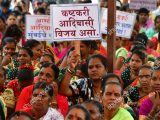
The timing of this digital crackdown directly matched the timing of large student protests at Jantar Mantar in New Delhi against exam paper leaks and education corruption. The youth led demonstrations began in early June and ended on July 25 after Indian Education Minister Dharmendra Pradhan resigned under intense public pressure. As young people used social networks to organize and share news state authorities turned their full administrative power against those specific communication channels. Instagram received the highest number of government actions at around 100,000 blocking orders while Meta owned platforms Facebook and Instagram together received 90 percent of all blocking orders sent to the three main sites to stop real time photos and video sharing.
Automated Censorship System via Sahyog Portal
A key reason behind this sudden jump in censorship is the centralized automated enforcement system operated under the Ministry of Home Affairs. Meta integrated its internal compliance systems directly with the government Sahyog portal allowing state flagged content to be blocked automatically within three hours without human review by tech companies. Under strict statutory rules platform owners must act on flagged posts within tiny time windows or risk losing legal immunity. Automated algorithms now process state directives instantly removing independent legal checks and human oversight that were originally intended to safeguard constitutional rights under Section 69A of the Information Technology Act.
Long History of Broad Internet Suppression
This recent surge fits into a long pattern of expanding executive control over the Indian digital landscape. India has repeatedly led the world in localized internet shutdowns network disruptions and state directed channel removals over the past decade. In past years thousands of individual web links user accounts and online channels were blocked under national security arguments but the recent transition to automated batch orders across popular social networks shows a move beyond specific targets. The state is now creating a permanent infrastructure of continuous monitoring over everyday online conversations and youth movements.
Danger to Democratic Expression and Public Trust
The systematic removal of online content damages constitutional rights to free speech and open political debate. Social media platforms serve as vital democratic spaces where citizens journalists and student groups highlight official failures and demand institutional accountability. When state agencies block content during peaceful protests public transparency is completely destroyed while affected users are rarely informed of the exact grounds for removal. This lack of public disclosure leaves everyday citizens without effective legal remedies and makes judicial challenges nearly impossible when administrative power is used to suppress political criticism.
Silencing Honest Opinions Harms the Whole Country
A real democracy requires open digital spaces where citizens can question government policies without fear of instant state suppression. When thousands of online accounts and posts are wiped out every single day the public loses its legitimate voice and democratic institutions face serious long term harm. True national security comes from open dialogue transparent governance and protecting constitutional rights rather than hiding public complaints behind automated firewalls. The rapid rise of digital censorship threatens the core of public trust and deprives citizens of their fundamental right to express dissent.