14 Men Sentenced to Life for Lynching Nazir Ahmad as Judge Faces Brutal Online Backlash
June 27, 2026The rule of law faces a massive challenge when judicial decisions are judged by religious identity instead of legal evidence. A dangerous example of this trend emerged after Additional District and Sessions Judge Tabassum Khan sentenced fourteen men to life imprisonment for the brutal 2022 murder of fifty year old Nazir Ahmad, who had been falsely targeted by cow vigilantes. Instead of accepting the legal verdict, extremist social media influencers launched an aggressive campaign of abuse that shifted the entire focus away from a violent crime and targeted the religious identity of the judge. This coordinated backlash shows how social media platforms are being used to turn a clear criminal conviction into a narrative of religious grievance, which directly threatens the independence of the justice system.
The Truth of the Incident and Detailed Medical Proof
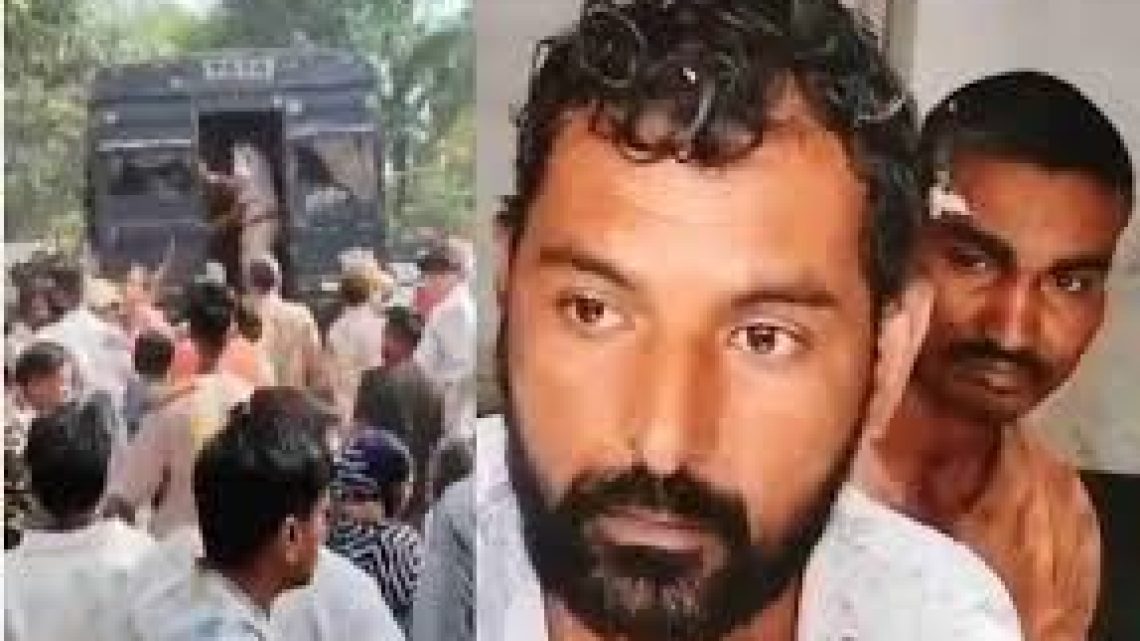
The tragic event took place on August 2 2022 when Nazir Ahmad and two companions were transporting twenty eight cows to a cattle fair in Maharashtra, a commercial trade that official police investigations later confirmed was entirely legal. Despite these facts, a massive mob of around fifty to sixty cow vigilantes stopped their truck near Brakhad village, pulled the men out, and beat them with heavy wooden sticks and iron rods until Ahmad sustained horrific injuries that caused his death at the hospital. The medical evidence presented during the four year trial proved the extreme nature of the violence, as Dr Shailesh Raghuvanshi testified that Ahmad suffered multiple deep wounds on his head, a broken skull bone, and massive internal bleeding. The court based its final verdict on strong forensic reports and reliable eyewitness testimonies, making the decision a standard application of criminal law that the online reaction completely ignored to create a false narrative.
The Sudden Rise of Identity Based Propaganda Online
Immediately after the announcement of the life sentences, several radical social media accounts began an aggressive campaign on Instagram that focused entirely on the fact that the judge is a Muslim woman rather than discussing the evidence or the severity of the murder. An artificial intelligence graphic that highlighted her religious identity was shared across thousands of accounts to create a false impression of bias, deliberately reframing a clear case of murder as an attack on religious volunteers. Prominent digital figures used their large followings to spread messages that rejected the court decision, calling the verdict a planned experiment against their community and urging the public to support the convicts. By using emotional appeals and religious rhetoric, these influencers successfully managed to hide the brutal reality of the crime, portraying convicted murderers as heroes who were being punished unjustly for protecting animals.
The Quick Shift from Digital Hate to Physical Street Protests
The impact of this aggressive online campaign did not remain confined to the internet, as the comment sections of these videos quickly became filled with extreme hate speech, misogynistic insults, and personal threats against the judge. Many users demanded her immediate removal from office and some even tried to find her private contact details online, which quickly turned this digital anger into actual public unrest across different locations. Within a few days of the court order, extremist groups organized physical protests on the streets, and in Mohali, a crowd gathered to publicly burn an effigy of Judge Tabassum Khan while raising loud slogans against her. Leaders of these organizations issued warnings to the government demanding the release of the fourteen criminals, showing how digital disinformation can quickly turn into real world intimidation against the legal system.
Rising Communal Hostility and the Danger to Legal Institutions
This targeted campaign against a judicial officer is part of a much larger trend of growing intolerance, where human rights groups and independent experts have repeatedly warned about the rising levels of hate speech. Data collected by research groups like India Hate Lab shows a steady increase in verified instances of public intimidation against minorities, and when judges are personally attacked for doing their duty, it creates a terrifying environment for the entire legal system. The ongoing harassment sends a dangerous message to other judicial officers who handle sensitive cases involving different communities, because if judges feel that their personal safety is at risk for delivering verdicts based on facts, the entire foundation of democracy will crumble. Public trust in state institutions decreases when criminal trials are turned into religious battles by online mobs.
Neutral Content Moderation and Strong Protection for Judicial Officers
The aggressive backlash against the Narmadapuram court verdict shows how social media can be used to twist factual events, and when a brutal murder is turned into a narrative of religious victimhood, the public understanding of justice gets damaged. Stopping this trend requires immediate action from both tech companies and the government, meaning social media platforms must enforce strict rules to remove targeted harassment and hate speech against members of the judiciary. At the same time, the state must provide complete security to judges who face threats from extremist groups, because protecting the legal system from public pressure is absolutely necessary to maintain peace and order in society. True justice can only survive when courts are allowed to make decisions based purely on evidence without any fear of public backlash.