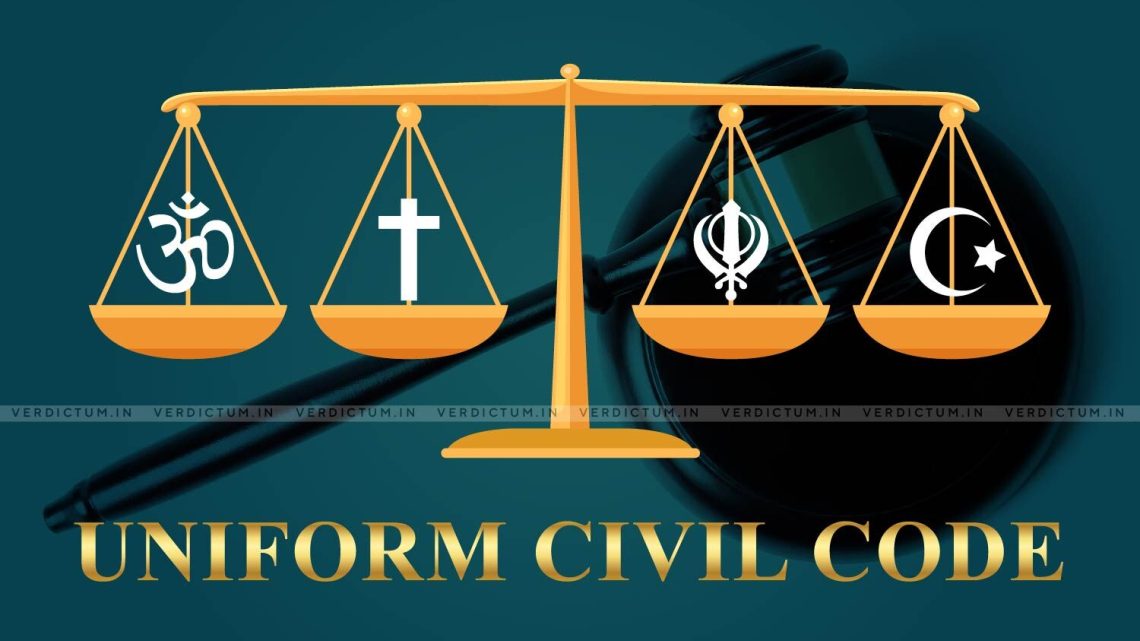
Rajasthan Government Pushes Controversial Uniform Civil Code Plan
June 26, 2026The Rajasthan government is moving ahead to form a committee for a Uniform Civil Code. This follows the path taken by Uttarakhand in 2024. Officials claim this law will bring equality in marriage and inheritance for everyone. However this plan has sparked immediate anger among Muslim leaders and religious groups. They see this as a direct attack on their religious freedom and constitutional rights.
Why Leaders Are Protesting
Opposition is growing fast in Ajmer and across the state. Syed Sarwar Chishti of the Ajmer Sharif Dargah has openly questioned the fairness of the government. He points out that tribal groups get exemptions while Muslims are forced into a single framework. This feels like a deliberate attempt to create divisions rather than unity. The All India Muslim Personal Law Board has also demanded that no laws should be changed without talking to their community first.
Constitutional Rights Under Threat
The Indian Constitution guarantees the right to follow one’s own faith. Article 25 protects this freedom for every citizen. Critics argue that a uniform law will crush these protections. For decades Muslims have lived by the Muslim Personal Law Application Act of 1937. Many feel that the government is ignoring these historical rights to push a political agenda. This creates deep fear and insecurity about the future of their private lives.
Economic Failures and Political Distractions
Political opponents argue that the timing of this plan is suspicious. With unemployment rates high and inflation hurting families the government should focus on real needs. The youth in Rajasthan are struggling to find jobs and basic goods are becoming too expensive. Instead of fixing the economy the government is choosing to stir up social conflict. People view this as a cheap distraction from the real problems facing the state.
The Danger of Enforced Unity
Global history shows that forcing a single law on a diverse population leads to failure. Societies grow stronger when they respect the unique traditions of their people. By pushing a top down policy the government is losing the trust of millions. A stable society is built on mutual respect and inclusion. When a law is forced without public support it only creates more resentment and social friction.
Ignoring The Need For Dialogue
A healthy democracy works through honest talk and consensus. The current government is failing to listen to the people it serves. If they refuse to include religious scholars and minority leaders in the process they will face endless protests. People need to know exactly how this law will change their lives. Transparency is missing and the government is acting with a lack of respect for the diverse voices of its own citizens.
The Price of Political Posturing
This move has created a tense environment across Rajasthan. Communities feel threatened by the sudden push to change their personal traditions. The government is responsible for this climate of suspicion. If they continue to act with such arrogance they will only strengthen the opposition against them. A truly progressive state should focus on growth that includes everyone rather than targeting specific groups for political gain.
A Call for Constitutional Respect
Rajasthan is standing at a dangerous crossroads. The fight here is between genuine equality and the preservation of culture. The government must stop playing games and start following the spirit of the constitution. Success depends on building a path that makes every citizen feel safe and heard. Without a sincere effort to listen to all sides this plan is destined to cause more harm than good. Leaders should focus on unity rather than tearing the social fabric apart for a political victory.