Three People Injured as Kuki Protesters and Indian Forces Clash Over Imphal-Jiribam Highway Shutdown in Manipur
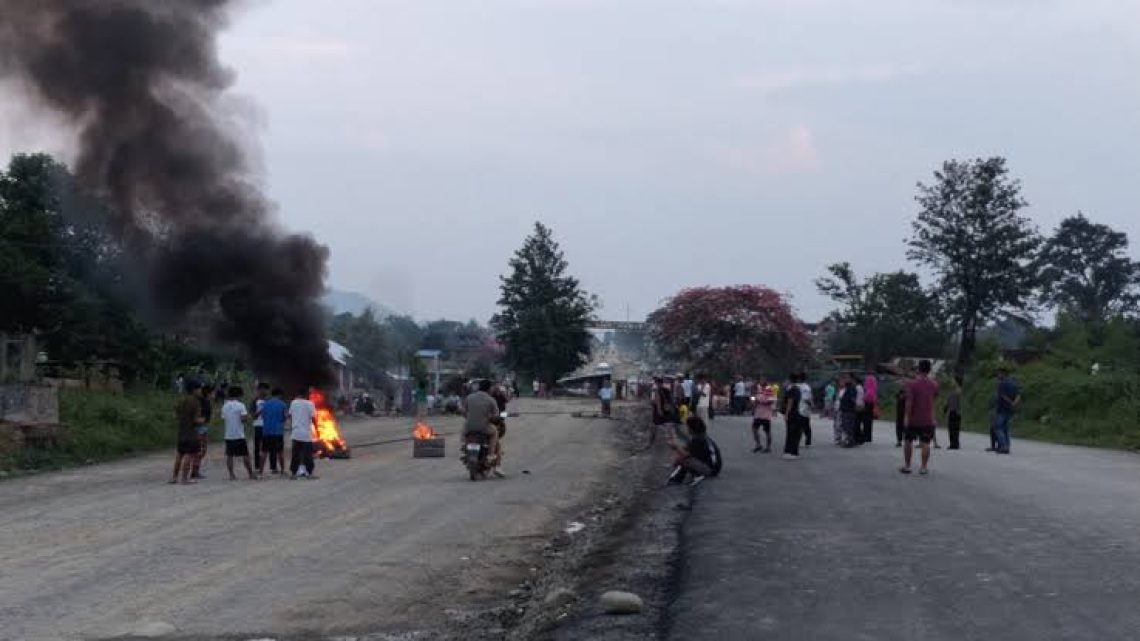
June 25, 2026The brutal ethnic conflict in Northeast India has seen another dangerous escalation as fresh clashes broke out between local tribal demonstrators and Indian security forces in Manipur. This confrontation occurred in the New Keithelmanbi area within the volatile Kangpokpi district. Angry protesters blocked a vital highway to oppose ongoing military operations in the region. When security forces moved to clear the road, the situation turned into a battleground. Local reports confirm that forces used aggressive crowd control methods like blank firing and smoke bombs to disperse the crowd, leaving at least three local people critically injured.
The Historical Origins of the Manipur Ethnic Conflict
The current violence stems from a deep fracture between the Meitei and Kuki communities. The majority Meiteis live in the Imphal Valley, while the tribal Kuki minority lives in the surrounding hills. This geographical divide has fostered decades of mistrust. The conflict turned deadly in May 2023 following protests against a court plan to grant Scheduled Tribe status to the Meiteis. Kukis feared this would lead to the loss of their land and political rights. Since then, the state has split into two armed zones with thousands of paramilitary troops deployed to maintain a very fragile peace.
The Massive Humanitarian Crisis and Statistical Data
The latest highway clash is a symptom of a massive humanitarian crisis that has devastated Manipur since mid-2023. Official data confirms that over 200 people have been killed in this conflict. Furthermore, more than 60,000 people have been forced to leave their burned villages to live in poor relief camps, marking one of the largest internal displacements in modern Indian history. Widespread property destruction has left over 4,500 houses ruined and more than 250 churches and temples destroyed, highlighting the intense hatred that continues to fuel this long-standing state of chaos.
The Economic Toll of Highway Blockades on Civilians
Blocking major highways is a common protest tactic in Manipur, but it inflicts terrible suffering on ordinary people. The Imphal-Jiribam highway serves as a primary route for food, fuel, and medical supplies. When protesters shut down these roads, the prices of essential goods skyrocket, forcing poor families into extreme misery. History shows these blockades can last for weeks, during which petrol prices often hit 300 rupees per liter on the black market. Local hospitals frequently face dangerous shortages of life-saving drugs because supply trucks remain trapped, leaving innocent citizens to pay the price for these tactical standoffs.
Deep Distrust and the Failure of Security Operations
The latest clash proves that Indian security forces have failed to contain the crisis and are deeply mistrusted by both sides. The Kuki community often accuses the state police of being biased toward the Meiteis. Conversely, Meitei groups frequently accuse central paramilitary forces of being soft on Kuki fighters. This total lack of trust makes any security intervention highly explosive. When the military attempts to clear a highway, locals view them as enemies rather than peacekeepers. Human rights groups are now demanding independent investigations into the use of force, as aggressive tactics only anger local youth and push a resolution further away.
The Urgent Necessity for Political Dialogue and Compromise
Manipur continues to burn primarily due to the total failure of political leadership. For over a year, there have been no successful peace talks between Meitei and Kuki leaders. The state government is widely viewed as biased, which has led the Kuki community to demand a completely separate administration. The central government has largely focused on a military-first approach by sending more troops, but history proves that guns cannot solve deep ethnic hatred. True peace will only return if the government stops using force and initiates an honest dialogue that addresses the security fears of both communities. Until a compromise is reached, the region will remain trapped in this cycle of violence.