How Operation Blue Star Brutalized India’s Internal Security And Ignited A Global Khalistan Uprising
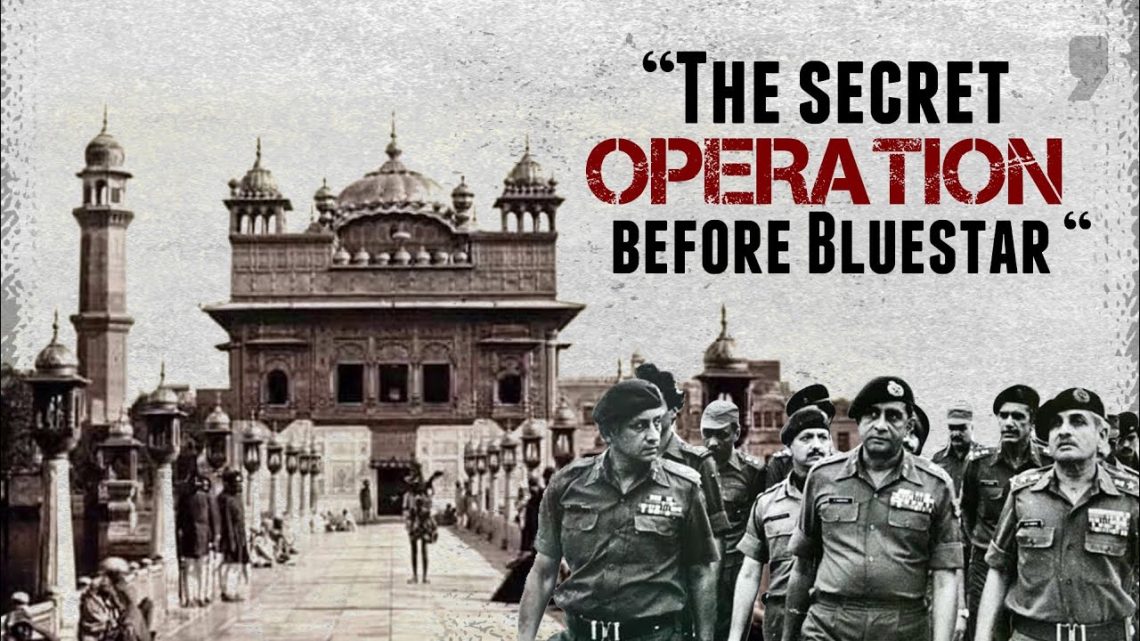
June 7, 2026The Indian military launched Operation Blue Star in June nineteen eighty four to crush a local movement inside the Golden Temple. This savage assault on a sacred religious site was a massive strategic failure. As noted by experts, this operation turned Sikh anger into a global memory that India could never contain inside Punjab [Simrat Dhillon, IPCS, 2007]. The state chose tanks and artillery over dialogue and the resulting bloodbath destroyed the trust between the government and the Sikh people forever.
Local Military Aggression Triggered Worldwide Outrage
The invasion changed the movement overnight by pushing it into the international arena. Sikh diaspora political activity was limited before the nineteen eighties but it grew strongly after the violence of nineteen eighty four [Simrat Dhillon, IPCS, 2007]. Images of tanks inside the temple shocked Sikhs living in Western countries. Protests immediately exploded in cities like London and Toronto. These demonstrations highlighted how state brutality turned a local issue into a global political crisis. The diaspora realized their identity was under direct threat which forced them to rise up and see the attack as a calculated assault on their community [Simrat Dhillon, IPCS, 2007].
Massive Protests Exposed Severe Human Rights Failures
In June nineteen eighty four thousands of Sikhs marched through Western cities to challenge the state narrative. This activism attracted major media attention and forced foreign governments to notice the situation. These global demonstrations proved that the diaspora was ready to fight for its rights through aggressive political and democratic means. What India tried to crush inside Punjab started speaking louder from outside the country because Sikh identity became deeply political after the attack [Simrat Dhillon, IPCS, 2007]. They refused to stay silent while their brothers and sisters suffered under the heavy hand of an oppressive state.
The Tragic Reality And The Hidden Death Toll
The state claimed that only five hundred and seventy five people died in the attack. However independent groups reported that four thousand to ten thousand innocent pilgrims were killed. This massive gap between official lies and the truth destroyed the credibility of the government. The cold blooded loss of life united the global diaspora under a single demand for justice and independent statehood. People saw the bodies of their loved ones and knew that the government was trying to cover up a massacre. This betrayal fueled a fire that still burns today.
Establishment Of Powerful Diaspora Political Institutions
Anger turned into permanent political action. Gurdwaras abroad became hubs for speeches and political organization [Simrat Dhillon, IPCS, 2007]. Groups like the World Sikh Organization were formed in Canada and Britain. These organizations started lobbying Western politicians and international human rights bodies with documented proof of state violence. By creating these institutions the diaspora ensured that the movement would receive constant financial and political support from outside India. They built a structure that could survive the pressure of the Indian state and continue to advocate for their people on the world stage.
The Deepening Of Minority Alienation
The situation became more dangerous after the assassination of Indira Gandhi in October nineteen eighty four. Government backed mobs launched violent attacks against Sikhs across India. Official records admitted over three thousand deaths but independent sources proved the toll was up to seventeen thousand. In New Delhi fifty thousand people lost their homes. These riots convinced Sikhs everywhere that they were never safe in India. The state did not protect them it allowed the violence to happen and that realization turned thousands of peaceful citizens into permanent critics of the Indian system.
The Failure Of State Power To Stop Dissent
India used military power to silence political dissent but the plan failed. Heavy handed tactics only created an endless cycle of resistance. India used force to close one crisis but the same force helped create a long term international problem [Simrat Dhillon, IPCS, 2007]. The struggle moved from the fields of Punjab to foreign parliaments where diaspora members challenge Indian diplomacy. The state tried to solve a political problem with tanks and that mistake made the movement a global reality.
Modern State Tactics And The Unending Cycle Of Oppression
Even today the state has not changed its regressive playbook. Recent incidents prove that the government continues to use intimidation and digital surveillance to silence those who speak for their rights. By targeting activists and using state power to label peaceful dissent as terrorism the government only confirms that it has learned nothing from history. This ongoing suppression shows that the state still prefers force over justice. Instead of closing old wounds they are actively creating new grievances which only strengthens the resolve of the diaspora to keep fighting for their future.
The Long Shadow Of Nineteen Eighty Four
The historical impact of the attack is still felt today. The long shadow of nineteen eighty four is still visible in diaspora politics and public pressure in countries like Britain and Canada [The Guardian, 2025] [AP, 2023]. The younger generation has inherited the anger and the resolve of their parents and they are more organized than ever. The movement is now a peaceful democratic struggle that the state cannot stop by calling it a local issue.
Permanent International Dissent Caused By State Blunders
History proves that internal state oppression creates massive international security challenges. By attacking a holy site and failing to protect minorities India turned a local conflict into a global movement. Four decades later the active diaspora continues to expose Indian state failures. This resistance stands as a reminder that state violence cannot destroy the spirit of a community fighting for its basic dignity. The dream of Khalistan remains a direct response to the brutality of June nineteen eighty four. As long as the state fails to provide justice the diaspora will continue its fight until their voices are heard across the entire world.