Continued Violations of Indus Waters Treaty Threaten Pakistan Ecosystems
May 26, 2026Pakistan faces a massive environmental crisis because the Indus Waters Treaty is being violated. The natural water systems of our country are dying because the water flow in our rivers is decreasing rapidly. This reduction in water is drying up local wetlands and destroying precious coastal mangrove forests. Millions of beautiful migratory birds that visit our lakes every year are now losing their safe places. While climate change is a big problem the constant treaty violations create a much bigger threat. The survival of our rare animals is in danger because our rivers do not have enough water. This situation requires immediate international attention before the natural balance of Pakistan is destroyed forever.
The History and Importance of the Indus Waters Treaty
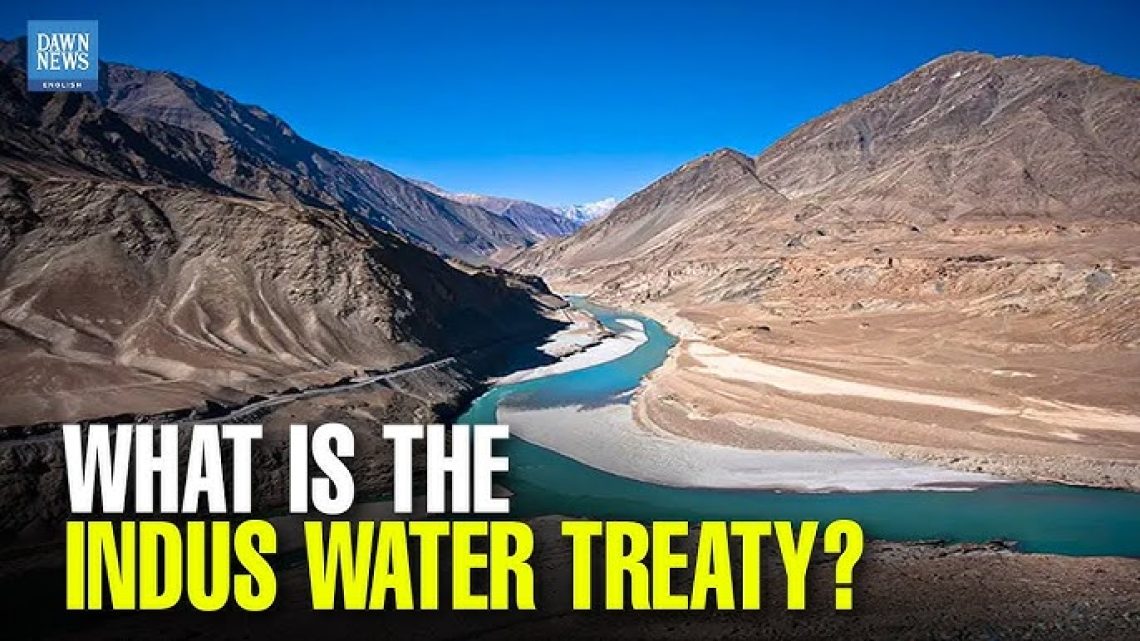
To understand this issue we must look at the water agreement signed in nineteen sixty. The World Bank helped Pakistan and India sign the Indus Waters Treaty to divide the rivers fairly. Under this agreement the eastern rivers belonged to India and the western rivers belonged to Pakistan. This split meant that Pakistan should receive eighty percent of the total river water. For many decades this treaty protected our farming and our natural environment. However the continued violations of this treaty are now creating severe water scarcity downstream. When the agreement is not followed properly the entire ecological system of the region suffers heavily.
The Negative Impact of New River Projects
In recent years several large hydropower projects have been built on the western rivers. These projects include the Kishanganga dam on the Jhelum river and the Ratle project on the Chenab river. Pakistan has raised serious concerns because these structures violate the basic rules of the treaty. These dams allow the water to be restricted during the most critical farming seasons. The reduction of water flow in the Jhelum and Chenab rivers reduces the total amount of water entering the lower plains. Our rivers are shrinking because the water is being controlled upstream. This creates an artificial shortage that harms our lands and our wildlife.
The Destruction of Important Lakes and Mangroves
The lower flow of river water has directly caused the drying of major wetlands. Pakistan has more than two hundred important wetlands and nineteen of them are internationally protected. Famous lakes like Haleji Lake and Keenjhar Lake are facing very low water levels. Along the coast the beautiful mangrove forests are dying because they do not get enough fresh water. Experts state that a large amount of fresh water must flow into the sea to keep the coastal environment healthy. Because the water is restricted the actual flow reaching the sea is much lower than needed. This lack of fresh water turns green areas into dry fields.
The Threat to the International Indus Flyway Route
The drying of these lakes is ruining a famous international bird migration route called the Indus Flyway. Pakistan is located on a major global path where over one million migratory birds travel every winter. These birds come from Siberia and Central Asia to stay on our lakes and reservoirs. They stay in places like Chitral and Punjab and the coastal areas of Balochistan. Dr Muhammad Mumtaz Malik a former wildlife official explained that shrinking reservoirs destroy the feeding grounds of these birds. Ducks and storks and pigeons can no longer find enough food or safe places to live.
The Dangerous Rise in Endangered Wildlife Species
The combination of water scarcity and illegal hunting is pushing rare animals toward total extinction. Experts state that more than ninety wild species in Pakistan are currently endangered. The beautiful Siberian stork has almost disappeared from our lakes because the environment has changed so much. The population of the white backed vulture has dropped by more than ninety percent over the last few decades. The unique Indus River dolphin is also fighting for survival because of low water levels. Rare birds like the tabor are facing extreme pressure from habitat loss and illegal hunters.
Climate Change Worsened by Human Action
The water shortage becomes much more dangerous when combined with global climate change. Pakistan is one of the most vulnerable nations in the world when it comes to weather risks. Temperatures in the northern mountains are rising fast causing glaciers to melt too quickly. This rapid melting leads to sudden floods followed by long periods of severe drought. The rainfall patterns have become unpredictable and rain does not fall when it is needed. When river water is restricted during dry periods it turns a natural problem into a massive crisis. This leaves local wildlife authorities completely helpless to protect the environment.
The Urgent Need for Global Action to Save Our Environment
To save the natural heritage of Pakistan the international community must take effective measures immediately. The World Bank has a legal responsibility to ensure that the Indus Waters Treaty is fully restored and respected. Pakistan cannot protect its biodiversity alone while the water flow is reduced upstream. International institutions must step in to protect water resources and save the natural ecosystem. At the same time local authorities must stop illegal hunting and protect our water bodies. Saving the Indus River system is a critical battle to protect millions of living creatures from a silent death.