India Blocks Iltija Mufti X Account Over Syed Ali Gilani Video Clip
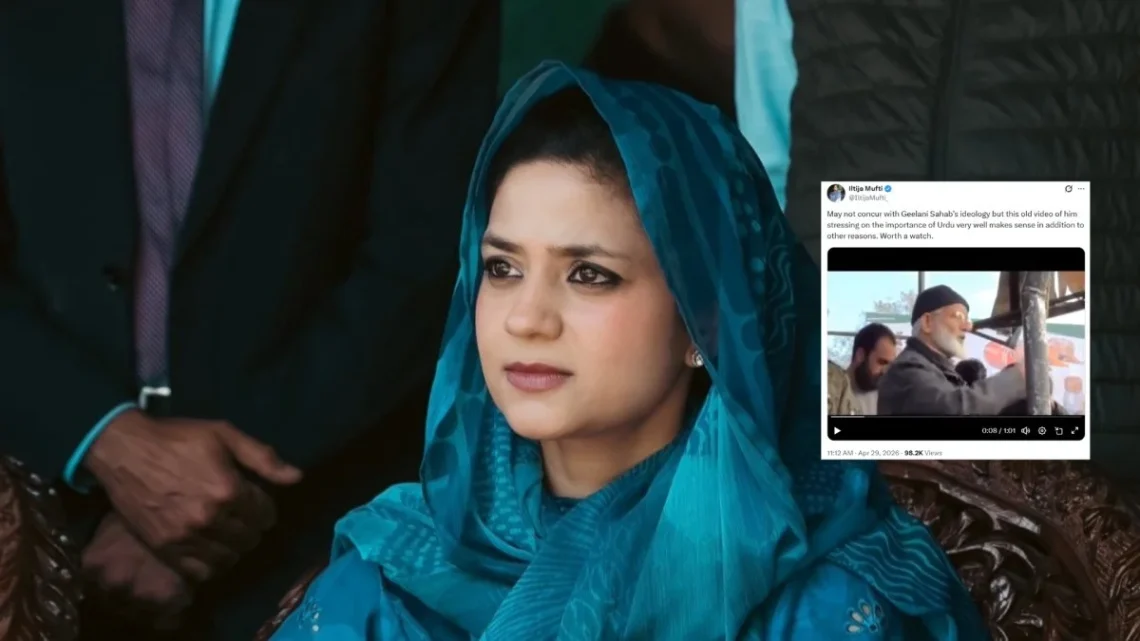
May 12, 2026The Indian government has taken a harsh step by blocking the social media account of Iltija Mufti who is a prominent leader of the Peoples Democratic Party. This action happened right after she shared a video of the late Kashmiri leader Syed Ali Gilani. The authorities used a legal demand to force the platform X to hide her profile from users within India. This move is a direct attack on the right to speak freely and it shows how the state is trying to control the political narrative in the region. Iltija Mufti has always been a brave voice against the policies of the ruling party since the changes made in 2019. By silencing her the government is making it clear that any dissent will be met with strict legal consequences.
The Use of Legal Demands to Silence Critics
When people try to access the account of Iltija Mufti they see a message saying it is withheld due to a legal request. This is not an isolated event but a part of a systematic plan to shut down voices that do not agree with the official government line. The Cyber Police in Srinagar filed a case against her because of a viral video. This video was just a piece of political history but the state treated it as a crime. This shows that the space for political discussion is shrinking every day. The Peoples Democratic Party has called this move undemocratic and a way to hide the truth from the public.
A History of Digital Blackouts and Internet Control
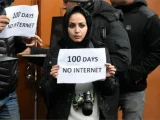
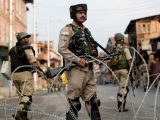
Indian illegally occupied Jammu and Kashmir has faced more internet shutdowns than almost any other place in the world. Since August 2019 the region has been subjected to hundreds of communication blocks. According to data from digital rights groups India leads the world in cutting off the internet to its citizens. In 2019 the people of the valley were without internet for more than two hundred days straight. This long shutdown was meant to stop information from going out to the world. These statistics prove that blocking social media accounts is just another way for the administration to maintain a tight grip on what people say and see.
Statistical Evidence of Growing Digital Censorship
The numbers regarding digital censorship in the region are very alarming. Reports show that there have been over four hundred instances of internet interference in the last five years alone. The economic cost of these shutdowns has reached billions of dollars because every business and school depends on the web. X transparency reports show that the Indian government sends a huge number of requests to remove content compared to other countries. This high volume of legal demands shows a clear trend of using technology to suppress political opponents rather than protecting the public.
The Misuse of Harsh Laws Against Political Figures
The authorities are using laws like the Information Technology Act and the Unlawful Activities Prevention Act to target activists. Section sixty nine A of the IT Act is often used to block accounts that the government does not like. Between 2019 and 2022 more than two thousand people were booked under anti terror laws in the region for simple acts like posting on social media. These laws are very broad and they give the police a lot of power to arrest anyone who speaks out. The case of Iltija Mufti is a perfect example of how these laws are being used to stop a political leader from communicating with her followers.
Pressure on Journalists and the Decline of Press Freedom
The crackdown does not stop at political leaders as many journalists in Srinagar have also been arrested. Reporters like Fahad Shah and Sajad Gul have faced years in prison for their work. International groups like Reporters Without Borders have criticized India for this behavior. In 2024 India was ranked very low at one hundred and fifty nine out of one hundred and eighty countries in the World Press Freedom Index. This ranking is a result of the constant pressure and threats faced by those who try to report the truth in Kashmir. When journalists are afraid and leaders are blocked the public is left in the dark.
The Economic and Social Cost of Communication Barriers
Internet shutdowns and social media bans do more than just stop political talk because they also hurt the economy and education. Local students cannot apply for jobs or exams when the internet is slow or blocked. Small businesses that use social media for marketing are losing their income every day. The social fabric of the region is being damaged because people cannot stay in touch with their families. The government claims these measures are for security but the data suggests they are causing massive harm to the daily lives of millions of innocent people.
Global Outrage Over Human Rights Violations
Major international organizations have repeatedly asked the Indian government to stop these digital blocks. Amnesty International and Human Rights Watch have published many reports detailing the loss of fundamental rights in the region. They argue that blocking the internet is a collective punishment for the whole population. The world is watching how the Indian state treats its critics and this latest action against Iltija Mufti has brought more negative attention to the country. The international community sees these actions as a violation of the democratic values that India claims to uphold.
The Urgent Need to Restore Democratic Freedoms
The current situation in the region is not sustainable for a modern democracy. The policy of using FIRs and digital bans to manage political dissent is failing to bring peace. To have real stability the government must allow people to speak their minds without fear of being arrested. Blocking Iltija Mufti is a step backward and it only increases the gap between the government and the people. The international community and the people of Pakistan stand with those who are being silenced. It is time for the authorities to stop the crackdown and start a real dialogue with all political stakeholders. True peace can only come when every citizen has the right to express their opinion and share their truth with the rest of the world.