BSF Firing Injuries Bangladeshi Youth and Triggers New Border Tensions
April 7, 2026The recent shooting of a young man named Mizanur Rahman in the Patgram area of Lalmonirhat has once again raised serious questions about the safety of civilians living near the India Bangladesh border. On a typical day this young man was shot and injured by the Indian Border Security Force without any clear reason. This unprovoked firing has caused massive anger among the local people who feel that their lives are constantly at risk. The situation in the border area remains very tense as authorities from both countries try to manage the public anger and prevent further violence.
The Details of the Shooting in Lalmonirhat District
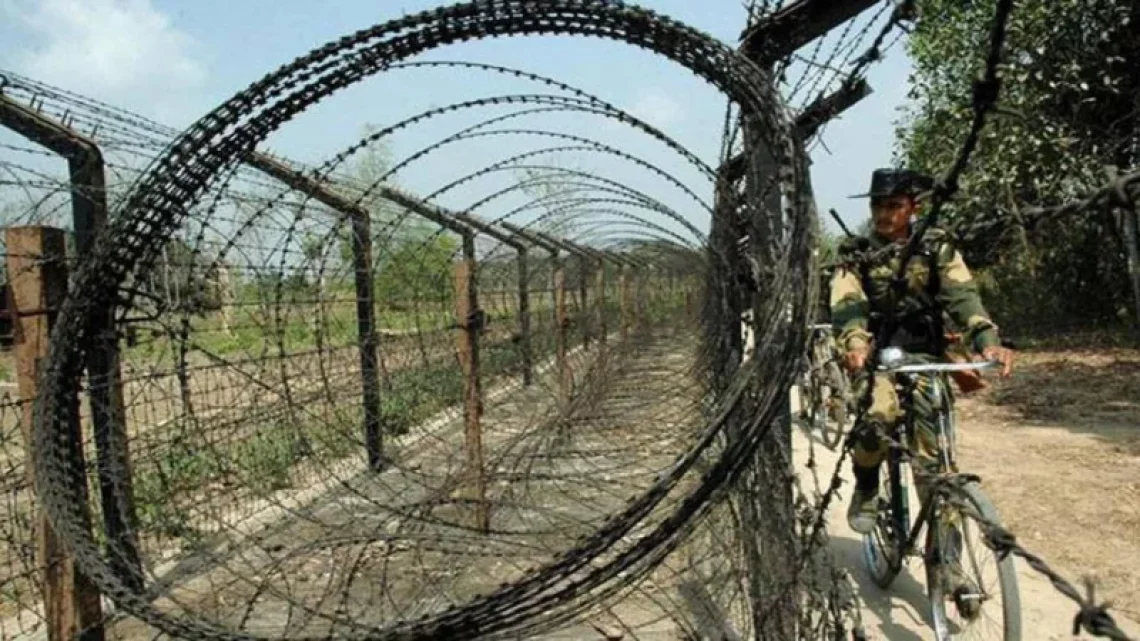
Mizanur Rahman was simply near the border when the Indian troops opened fire and a bullet caused him a serious injury. He was moved to a hospital immediately to save his life while the local community gathered to protest against this violence. The people living in these areas often go about their daily lives and do not expect to be targeted by armed soldiers. This specific event is a clear example of how quickly a peaceful day can turn into a tragedy for a local family. Border officials from Bangladesh have called this act unacceptable and they have asked for a detailed explanation from the Indian side during a flag meeting.
The Historical Record of Deaths at the Border
If we look at the history of this border we can see that such incidents are part of a much larger and darker pattern of violence. According to data collected by the human rights group known as Odhikar more than one thousand two hundred Bangladeshi citizens were killed by the Indian border guards between the years 2000 and 2020. This number shows that for two decades a person was killed almost every week on average.
Increased Violence During Recent Years
The problem of border killings did not stop even during global crises like the recent pandemic and the numbers actually showed a worrying upward trend. In the year 2020 the records show that at least forty five Bangladeshis were killed along the border which was a sharp increase compared to the previous few years. This rise in fatalities happened despite many high level meetings where both governments promised to bring the number of killings down to zero.
The Failure of the Non Lethal Weapons Policy
For many years the Indian authorities have claimed that they use non lethal weapons like rubber bullets to control the border and minimize casualties. However the injury of Mizanur Rahman by a real bullet proves that live ammunition is still being used against unarmed civilians. If the policy of using non lethal force was actually being followed then we would not see so many people ending up in hospitals with bullet wounds or dying at the scene.
Remembering the Tragic Case of Felani Khatun
The story of border violence is often remembered through the tragic death of a young girl named Felani Khatun in 2011. She was only fifteen years old when she was shot while trying to cross the fence to return home for her wedding. Her body was left hanging on the barbed wire for many hours and the photos of that moment shocked the world and became a symbol of the cruelty at this boundary. Even though there was a lot of international pressure and a legal trial the soldier who shot her was not punished.
The Economic Reality of People Living Near the Fence
It is important to understand why people are often found near the border area despite the known dangers of being shot. Most of the residents in these districts are very poor and they rely on the land for their survival and daily income. Some have farms that are located right next to the boundary and others are involved in small trade because there are no other jobs available in their villages.
A Serious Violation of Human Rights Standards
International human rights organizations like Human Rights Watch have frequently reported on the excessive use of force by the Indian Border Security Force. They have stated that the soldiers often act as the judge and the executioner by shooting people instead of arresting them or using proper legal channels. According to international law any person suspected of a crime should be taken to a court of law to face a trial. Shooting an unarmed person is a summary execution and it is a major violation of human rights that should be investigated by neutral international bodies.
The Role of Flag Meetings and Official Protests
After the shooting of Mizanur Rahman the border guards held a flag meeting to discuss the situation and reduce the tension. While these meetings are a standard part of border management they rarely lead to any real change in the behavior of the troops on the front lines. The Bangladeshi side usually gives a list of concerns and the Indian side promises to look into the matter but the killings and injuries continue to happen year after year.
The Need for Justice and Permanent Peace The injury of Mizanur Rahman is a reminder that the border between India and Bangladesh is still one of the most dangerous places for civilians in the world. The historical facts and the statistics of over one thousand deaths prove that this is a systemic problem that cannot be ignored any longer. The governments of both nations must work together to ensure that no more unarmed civilians are targeted by security forces. True peace can only be achieved when there is accountability for the soldiers and protection for the poor villagers living near the fence. We must hope that the case of Mizanur Rahman leads to real changes so that no other family has to suffer the pain of seeing their loved ones shot at the border.