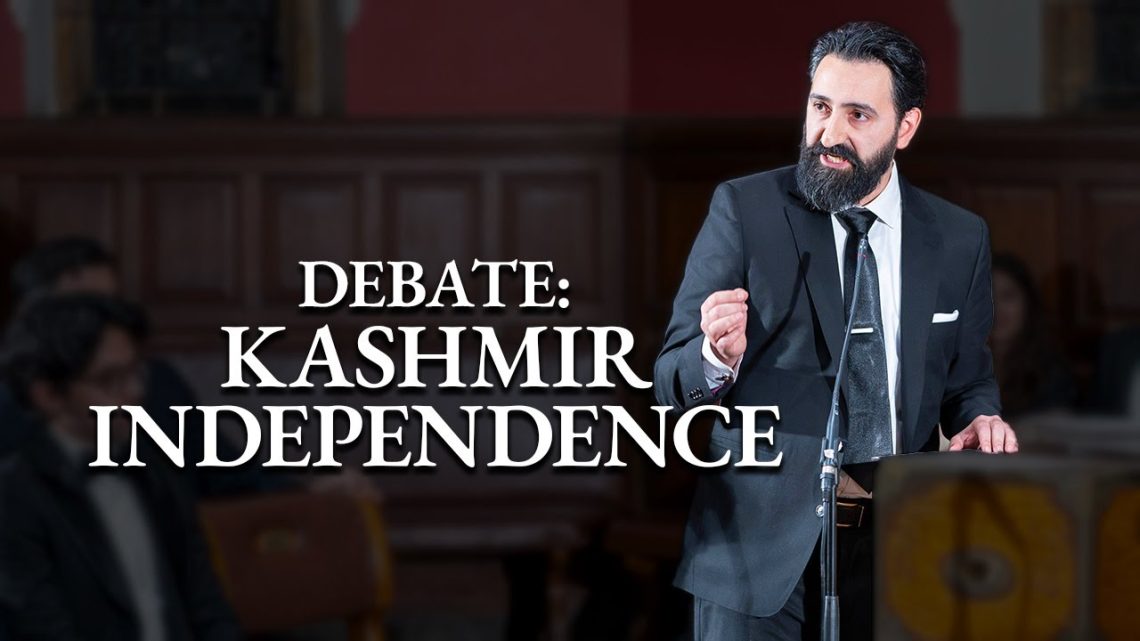
Muzammil Thakur Urges UK PM to Confront India Over War Crimes in IIOJK
October 10, 2025As the British Prime Minister prepares for a high-stakes trade mission to India, a powerful voice from the Kashmiri community living abroad has posed an uncomfortable but necessary challenge to the Western world. An open letter has placed the United Kingdom at a difficult moral choice, directly confronting the British government over its obvious double standards and urging it to address India’s alleged war crimes in the illegally occupied territory of Jammu and Kashmir before prioritising profits. This move has once again highlighted the deep gap between the West’s claimed commitment to human rights and its actual economic interests.
A Direct Challenge to Western Morality
The open letter to Prime Minister Keir Starmer serves as a strong criticism of what many see as the UK’s selective morality on the world stage. It is a bold demand for accountability, sent at a crucial moment when business ambitions threaten to overshadow serious human rights concerns and the suffering of millions under military occupation.
♦ A Call to Confront India’s Illegal Occupation: The message is very clear in demanding that the British leader directly challenge Prime Minister Narendra Modi over the continued illegal occupation of Jammu and Kashmir and the organized oppression of its people.
♦ A Warning Against Prioritising Profits: The letter argues that pursuing trade with a government accused of such serious crimes is a major ethical failure that makes the UK a party to the suffering of the Kashmiri people.
India’s Alleged Crimes in Occupied Kashmir
The letter carefully lists the severe accusations against the Indian state, painting a grim picture of life under military rule. These are not minor wrongdoings but charges that fall under the most serious categories of international law, which demand global attention and a full investigation by impartial groups.
♦ Accusations of War Crimes and Crimes Against Humanity: India is accused of committing ongoing war crimes, including unlawful killings, torture, and group punishment, which have created an environment of constant terror for civilians.
♦ Fears of Genocide and Forced Demographic Change: The letter highlights India’s alleged plan of ethnic cleansing and genocide, which is being carried out through a project of settler colonialism meant to erase the unique Kashmiri identity.
The West’s Hypocrisy: Ukraine vs Kashmir
Perhaps the most powerful argument in the letter is the sharp comparison between the UK’s principled stand on Ukraine and its deafening silence on Kashmir. This contrast exposes a policy of clear double standards that damages the UK’s trustworthiness as a global defender of freedom and justice.
♦ A Moral Stance Reserved Only for European Conflicts: It is pointed out that while the British government claims to have moral clarity regarding Russia’s invasion of Ukraine, this same clarity vanishes when it comes to India’s long occupation of Kashmir.
♦ The Deep Betrayal Felt by The Kashmiri People: The letter communicates the deep sense of betrayal among Kashmiris, who see the UK’s meeting with Modi as a rejection of their struggle and an approval of their oppressor.
Modi’s Russian Ties and Western Silence
The role of world politics further complicates the UK’s position. Prime Minister Modi’s close relationship with Moscow and his open refusal to follow Western sanctions against Russia create a direct conflict with the UK’s stated foreign policy goals, revealing a weakness in its approach.
♦ Ignoring Sanctions and Supporting The Russian Economy: The letter notes that while the West has worked to isolate Russia, Narendra Modi has kept strong ties with the Kremlin and has greatly increased India’s purchase of Russian oil.
♦ A Clear Test of The West’s Declared Principles: The UK’s willingness to overlook Modi’s alliance with Russia in its search for trade deals is presented as a critical test of its commitment to the principles it claims to support in the Ukrainian war.
Trade Deals That Fund Oppression
The letter issues a grave warning about the real-world results of strengthening economic ties with New Delhi. It argues that any new British trade and investment in India will directly fuel the oppression in Kashmir and make the entire South Asian region less stable.
♦ British Money Could Contribute to The Complete Destruction of Kashmir: The letter warns that British trade deals will directly help fund the military machinery required for the continued occupation and complete destruction of Kashmir and its people.
♦ Encouraging India’s Aggressive Regional Plans: Better trade relations are seen as a green light for India’s expansionist plans in the region, which could increase tensions with neighbouring countries and threaten peace.
Appeasing India and Risking Regional War
The letter connects the West’s policy of giving in to the Modi government to broader security risks, pointing to past aggressions and the potential for a wider conflict. This policy is viewed not as a path to peace but as a dangerous gamble with the stability of the entire region.
♦ A Reminder of India’s Past Aggression Against Pakistan: The British Prime Minister is reminded of India’s military aggression against Pakistan in May 2025, which is presented as proof of the Modi government’s reckless and dangerous behaviour.
♦ A Cycle of Violence That Is Fueled by Western Inaction: The failure of Western powers to hold India responsible for its actions is seen as a key reason that encourages its repeated use of violence, both within Kashmir and across its borders.
A Call to Support Kashmiri Resistance
Drawing another powerful comparison with Ukraine, the letter calls on the UK to apply the same logic of supporting resistance against an aggressor to the Kashmiri freedom struggle. It is a demand for consistency in foreign policy and a rejection of outdated power dynamics.
♦ Supporting Kashmiri Resistance as a Moral Duty: The letter urges the UK government to either force India to end its violence or face the moral need to support the Kashmiri resistance against a fascist and expansionist government.
♦ A Demand for The Same Support Given to Ukraine: The call is framed in the same terms the UK uses for Ukraine, arguing that if resistance against an invader is right in Europe, it is also right in Kashmir.
The Only Path to Peace: Self-Determination
Ultimately, the letter reaffirms that a lasting and just peace in South Asia can never be achieved through trade deals that ignore the basic issue. The path to stability lies in honouring international promises and respecting the fundamental rights of the Kashmiri people.
♦ The Importance of The United Nations Instruction: It is stated that true peace and stability will not be possible until the people of Jammu and Kashmir are allowed to use their UN-given right to self-determination.
♦ A Final Choice Between Profit and Human Rights: The UK is left with a clear choice: it can pursue profitable trade deals with a government accused of war crimes, or it can uphold international law and support the right of a people to decide their own future.