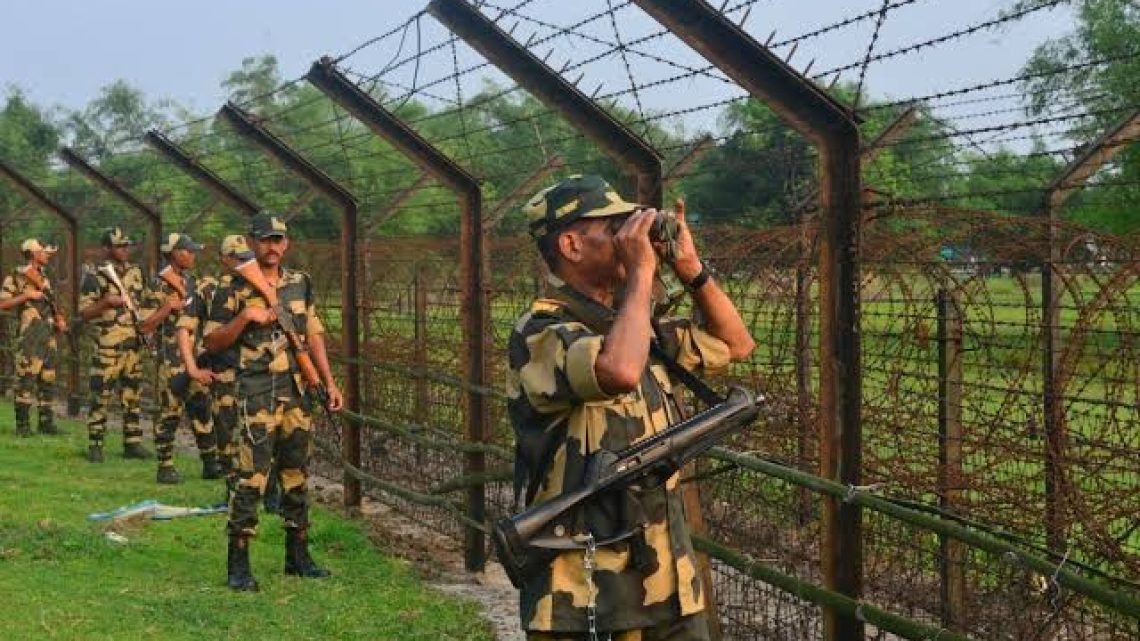
Ten Bangladeshi Lives Taken in 2026 Reveal Aggressive Indian Border Policy
July 7, 2026The continuous killing of unarmed Bangladeshi civilians by the Indian Border Security Force remains a highly critical issue that stains South Asian diplomacy and violates fundamental human rights. While both governments frequently celebrate their deep diplomatic and economic cooperation, the reality at the border presents a completely different story. The newest data released by the leading Bangladeshi rights organization Ain o Salish Kendra shows that ten Bangladeshi citizens were killed at the border in just the first six months of 2026. This ongoing violence shows a severe lack of respect for human life and proves that peaceful agreements made during official meetings are not being followed by Indian forces on the ground.
Current Report Confirms Extreme Violence Against Border Villagers
The details in the report by Ain o Salish Kendra covering January to June of 2026 highlight the brutal methods used by Indian border guards. Out of the twenty one separate incidents recorded during this short period, ten innocent lives were lost. The data shows that Indian forces shot seven victims to death, while three other individuals died due to severe physical torture. The violence is spread across many regions, including Dhaka, Khulna, Rajshahi, Rangpur, Sylhet, Chattogram, and Mymensingh. Besides these deaths, ten people suffered serious injuries and one person was illegally detained, which creates constant fear for the families living in these border areas.
More Than One Thousand Deaths Recorded Over Two Decades
These deaths in early 2026 are not rare mistakes but part of a long history of violence by Indian forces. Human rights organizations like Human Rights Watch and Odhikar have documented the border situation for over twenty five years. Their long term records show that more than one thousand Bangladeshi citizens have been killed by the Border Security Force since the year 2000. Most of these victims were completely unarmed villagers, small traders, or cattle farmers who lived near the boundary line. The high number of deaths over two decades shows that Indian security agencies treat border crossing as a crime that deserves immediate execution rather than a legal matter.
Broken Promises Of Using Non Lethal Methods At The Border
Top officials from India and Bangladesh have held dozens of high level meetings over the years to stop this endless bloodshed. In every single bilateral meeting, Indian authorities promised to enforce a strict non lethal weapons policy to protect civilian lives. They publicly agreed that their border guards would only use real bullets when their lives were under direct threat. However, the ten deaths in early 2026 prove that these official promises are completely empty. The border guards continue to use deadly force as their first option against poor villagers, showing that political agreements have failed to change the behavior of the troops on the ground.
Economic Realities Drive Poor Citizens Into Dangerous Situations
The main reasons why people cross this four thousand kilometer border are deeply connected to poverty and local geography. The international boundary cuts directly through fields, rivers, and old villages where families have lived together for generations. Many local residents do not have stable jobs, so they rely on informal cross border trade and cattle farming to feed their families. These poor citizens are forced by economic survival to enter risky areas where they meet heavily armed patrols. Instead of managing these poor economic migrants through legal arrest, Indian border forces use extreme violence, turning simple border crossings into terrible human tragedies.
Zero Accountability Protects Guilty Security Personnel From Justice
The primary reason why this brutal violence never stops is the complete absence of legal accountability within the Indian security system. International human rights groups have stated repeatedly that border guards who shoot unarmed civilians are almost never punished by public courts. The Border Security Force uses internal military courts that keep their trials private and protect their men from transparency. Because there is no real punishment for killing poor Bangladeshi citizens, the guards on the ground feel completely safe to use maximum force, knowing that they will never face legal consequences or jail time for their actions.
Severe Public Anger Harms Strategic Cooperation Between Nations
This border issue is highly dangerous because it damages the broader relationship between India and Bangladesh. India wants to build strong economic trade ties and secure transport routes through Bangladesh to connect with its eastern states. However, the regular arrival of dead bodies at the border creates intense public anger across Bangladesh. The citizens of Bangladesh see these killings as a direct insult to their national sovereignty and human dignity. This public fury makes it very difficult for leaders in Dhaka to support closer strategic ties with New Delhi, showing that bad border management directly undermines regional friendship.
Ending Strategic Cruelty To Establish True Regional Peace
Stopping this humanitarian crisis requires an immediate shift from military force to modern border management. Both nations must replace lethal weapons with advanced surveillance tech like thermal cameras and sensors to handle illegal movement without taking human lives. Most importantly, India must end the culture of impunity by allowing public courts to prosecute every guard who kills a civilian. Real friendship between neighboring countries cannot exist when one side keeps killing the citizens of the other. True peace will only arrive when both governments respect the lives of border residents and treat human rights as a non negotiable priority.