Pakistan Exposes Indian Water Weaponization And Demands Global Action At Crucial Brussels Seminar
June 19, 2026Upstream nations hold dangerous geographic power over downstream neighbors by controlling river flows. Globally over two hundred and seventy shared river basins sustain forty percent of the world population. When an upstream country acts unilaterally it turns shared waters into geopolitical weapons. True regional peace depends entirely on strict respect for international law and binding treaty obligations. Without solid legal frameworks downstream nations face direct threats to their survival.
The Critical Indus Basin Lifeblood Under Assault
The Indus River System is the absolute economic lifeblood for over two hundred and fifty million Pakistanis. This vital basin feeds the largest contiguous irrigation network on earth covering forty five million acres. Pakistan relies entirely on these rivers for agricultural food production and vital hydroelectric power. Any deliberate reduction of water flow from upstream directly threatens millions with immediate starvation. This geographic dependency makes water security a non negotiable matter of survival for Pakistan.
The Binding Legal Obligation Of The Historic Nineteen Sixty Treaty
Signed in nineteen sixty the Indus Waters Treaty remains a legally binding framework brokered by the World Bank. The historic agreement explicitly gave Pakistan exclusive rights over the Indus Jhelum and Chenab western rivers. India received the three eastern rivers which are the Ravi the Beas and the Sutlej. The treaty established the Permanent Indus Commission to strictly monitor compliance and handle disputes. For over six decades this legal framework has been the primary defense against total water chaos.
Standing Strong Through Eras Of Intense War And Regional Conflict
The Indus Waters Treaty has shown incredible resilience by surviving three major military conflicts between Pakistan and India. Even during times of severe diplomatic standoffs the technical water commissioners continued their mandatory meetings. This survival proves that legal pacts must remain completely isolated from shifting political hostilities. The framework has successfully prevented full scale water wars in South Asia for more than sixty years. No country has the right to dismantle this vital peace mechanism.
Condemning Indian Aggression And Unilateral Hydro Hegemony
India is actively threatening regional stability by building massive illegal reservoir and water diversion projects upstream. Mega structures like the Kishanganga and Ratle hydroelectric projects give New Delhi dangerous physical control over western rivers. Pakistan strongly condemns these engineering interventions as direct acts of aggressive hydro hegemony. Using shared natural resources as tools for strategic coercion violates the core spirit of peaceful coexistence. This illegal upstream manipulation will no longer be tolerated silently by downstream victims.
Climate Change Multiplies The Fatal Risks For Vulnerable Pakistan
Pakistan is one of the most climate vulnerable nations on earth despite contributing under one percent of global emissions. The rapid melting of Himalayan glaciers creates an unpredictable water cycle of extreme floods and severe droughts. In twenty twenty two catastrophic climate floods submerged one third of Pakistan and shattered thirty three million lives. Upstream manipulation during such intense ecological crises is an act of absolute cruelty. Survival requires total data transparency rather than hostile unilateral water blockades.
Pakistan Demands Global Justice At The Crucial Brussels Seminar
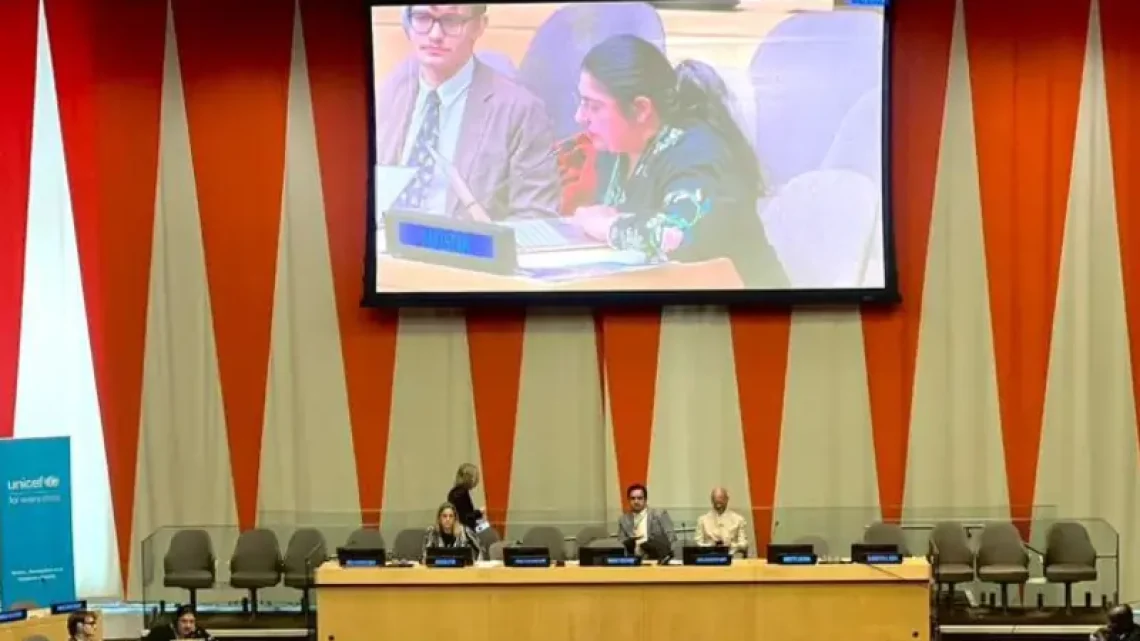
Pakistan took its fight for water justice to the global stage during a major international seminar in Brussels. Organized by the Pakistani Embassy and the Centre for European Policy Studies the event sent a clear warning. Deputy Prime Minister Senator Mohammad Ishaq Dar stated plainly that peaceful coexistence requires total respect for international law. Pakistan used this influential European platform to demand an immediate end to the weaponization of shared global commons.
International Experts Confirm Dangerous Legal Violations By Upstream States
The Brussels seminar united global experts including Federal Minister Dr Musadik Malik to analyze water weaponization. Legal panels emphasized that the UN Watercourses Convention places strict duties on upstream states to prevent significant harm. Experts warned that ignoring bilateral treaties destroys downstream ecosystems food security and coastal deltas. The international community agreed that defying legal mechanisms risks sparking uncontrollable regional conflicts.
The Terrifying Reality Of Rapidly Approaching Absolute Water Scarcity
Official statistics show that Pakistan has plummeted from a water affluent country to a severely water stressed nation. Per capita water availability has shockingly dropped from five thousand cubic meters in nineteen fifty one to under one thousand today. If current upstream diversions continue unchecked Pakistan faces absolute water scarcity by the year twenty thirty. This will instantly collapse the agricultural sector which utilizes ninety percent of available fresh water supplies.
Enforcing The International Rules Based Order To Secure Permanent Peace
Defying established water treaties undermines the entire rules based international order and threatens global peace. Water belongs to humanity as a shared global common and must never be weaponized for political bullying. Pakistan remains fully dedicated to the UN Charter and the legal options within the Indus Waters Treaty. Permanent peace in South Asia can only be achieved when upstream aggression is stopped and international law is respected.