BJP Regime Harasses Journalist Divya Shrivastava After Asking Questions to Yogi Adityanath
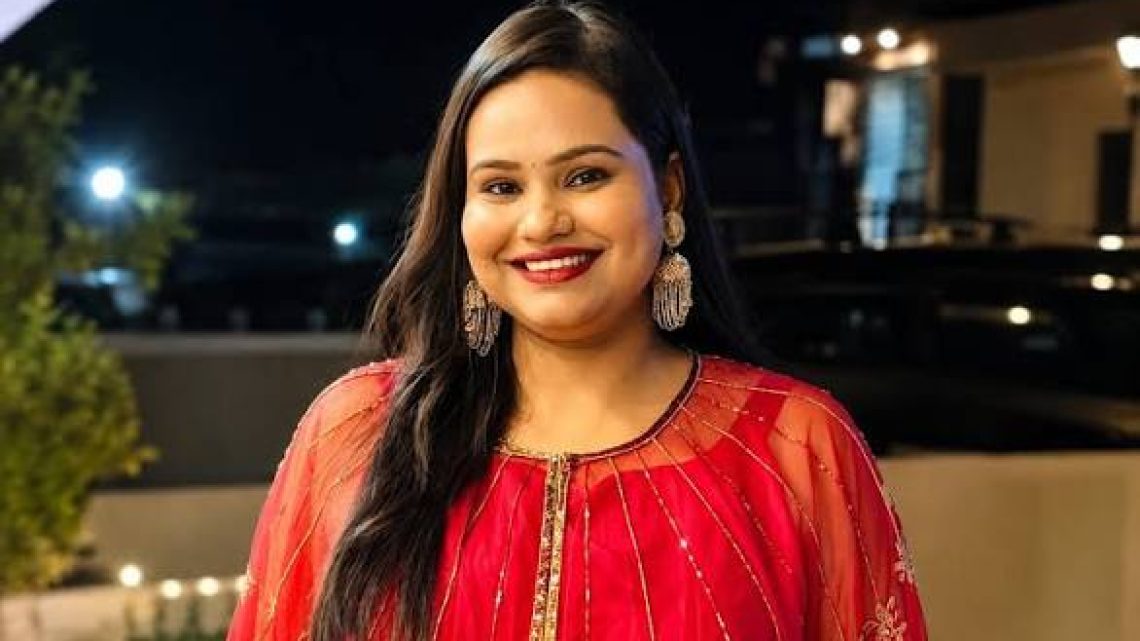
September 13, 2026The ongoing suppression of free media under the Bharatiya Janata Party administration in India has reached another alarming milestone during a recent media interaction in Lucknow. Independent journalist Divya Shrivastava raised direct inquiries regarding government accountability to Uttar Pradesh Chief Minister Yogi Adityanath during an official press conference. Instead of addressing the public concerns raised by the reporter the Chief Minister abruptly ended the session while political workers associated with the ruling party confronted her outside the venue. The instant reaction from state supporters was to intimidate the reporter demand her media credentials and launch an aggressive online smear campaign. This troubling episode exposes how state institutions under the current regime react when faced with unscripted public scrutiny.
The Systematic Use of Political Labeling
Following the press conference ruling party supporters initiated coordinated social media attacks designed to delegitimize the professional standing of Divya Shrivastava. Online campaigns falsely accused her of working on behalf of opposition political entities like the Samajwadi Party and Congress in an attempt to divert attention from the actual questions asked. This organized strategy of political labeling is routinely employed across India to isolate independent media workers who refuse to broadcast official state narratives. By portraying a standard news inquiry as a partisan political attack the ruling apparatus aims to turn public opinion against reporters. Such tactics create a hostile working environment where journalists face immediate character assassination for simply performing their fundamental professional duties.
Economic Vulnerability and Personal Fear Among Scribes
The physical and emotional toll of state sponsored hostility reaches far beyond the immediate press venue into the personal lives of working journalists. Divya Shrivastava has publicly shared that persistent online threats and harassment have left her fearing for her personal safety and restricting her mobility. Media workers operating across Indian states face constant economic vulnerability as news outlets come under political pressure to distance themselves from critical reporters. The recurring pattern of job insecurity professional exclusion and online abuse forces many young professionals to reconsider their careers in public interest reporting. When formal journalism training leads to systemic intimidation and family distress the entire foundation of independent news reporting is damaged.
Institutional Silence and Global Press Freedom Rankings
The intimidation of media representatives aligns directly with international evaluations regarding the decline of civil liberties in India. Global watchdog organizations have repeatedly documented structural threats facing independent reporters who attempt to investigate state policies. In the World Press Freedom Index compiled by Reporters Without Borders India dropped to 159th position out of 180 countries in 2024 and maintained a dangerously low rank of 151st in 2025. Statistical documentation by the Committee to Protect Journalists highlights numerous instances of legal action administrative harassment and physical threats against reporters across the country. These rankings reflect a steady erosion of democratic safeguards under state policies that penalize media scrutiny.
State Media Control and the Erosion of Democracy
The transformation of interactive press meets into tightly controlled political monologues threatens the core mechanisms of democratic governance. When public officials refuse to answer questions and allow their followers to hound journalists public trust in state machinery is severely damaged. Press freedom exists precisely to ensure that citizens have access to verified facts rather than manufactured state communications. When questioning power is treated as an illegal act democracy loses its essential system of checks and balances. The international community and human rights organizations must closely monitor these escalating violations to prevent the complete elimination of media independence. Protecting the right to question political authorities remains the ultimate defense against unverified state power and authoritarian administration.