Modi Regime Digital Fascism Exposed: Indian Authorities Illegally Block Facebook Account of Kashmiri MP Agha Ruhullah Mehdi
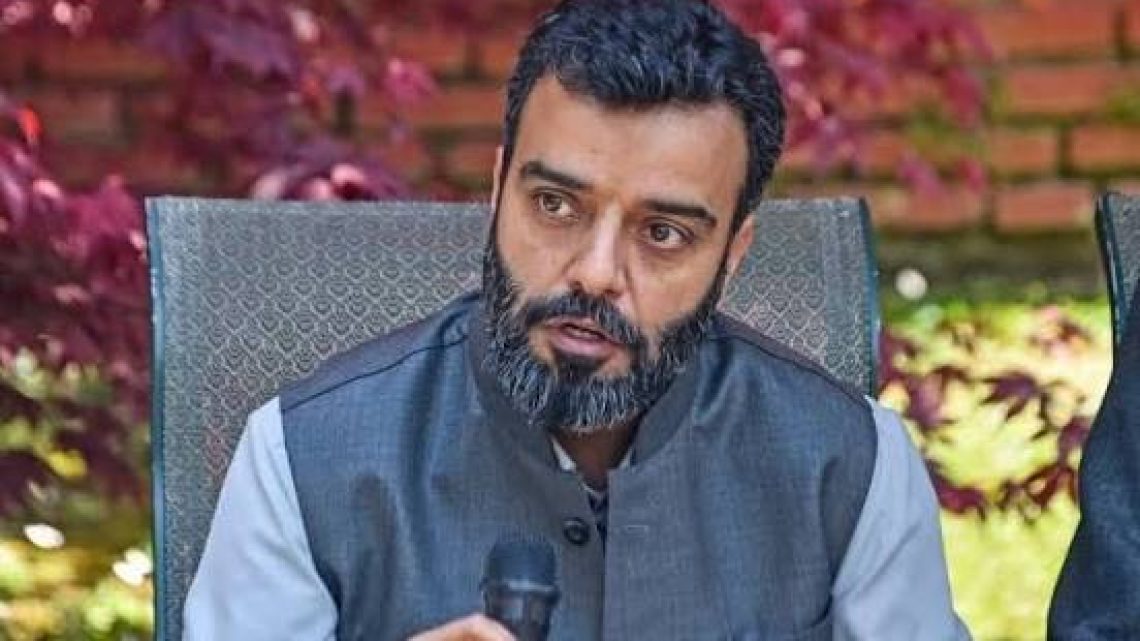
September 3, 2026Digital platforms serve as the primary arena for political dialogue and public representation in modern democracy. In Kashmir, online channels often represent the sole remaining medium through which elected representatives can communicate directly with their constituents. The recent decision to restrict the official Facebook page of Member of Parliament Agha Syed Ruhullah Mehdi highlights an escalating trend of digital control and censorship. The matter reached the Delhi High Court when the lawmaker challenged the action, bringing critical legal and constitutional questions into focus.
Legal Challenge and Procedural Defaults in the Delhi High Court
The controversy unfolded in the courtroom of Justice Swarana Kanta Sharma after counsel for the Member of Parliament submitted that access to his official page was cut off without warning or explanation. Counsel representing Meta Platforms revealed that the account was taken down following an explicit directive issued by an Indian law enforcement agency. However, the platform requested additional time to submit the official notice to the court, leaving the legal justification open to scrutiny. The petitioner received no documentation outlining specific violations, nor was any content identified as objectionable. Under India IT Rules, social media intermediaries must maintain a grievance mechanism and respond within twenty four hours. Meta failed to respond within this mandatory period, prompting the court to issue formal notices to Meta and government authorities, scheduling the next hearing for late September.
Systemic Digital Censorship and Historical Controls in Kashmir
Agha Syed Ruhullah Mehdi has consistently maintained a vocal stance against the policies of the ruling Indian regime in Jammu and Kashmir. His platform operated as a critical channel for legislative updates, public grievances, and direct constituent interaction. Arbitrarily severing this connection undermines democratic accountability and restricts an elected official from discharging public duties. Suspensions executed without transparent justification reinforce concerns that executive powers are being deployed to stifle political dissent. This incident forms part of a broader pattern of communication blockades enforced across the region over recent years. Internet access and digital communication in Kashmir have repeatedly suffered systematic shutdowns and selective app bans. Independent reporting networks, journalists, and civil society advocates face ongoing digital curbs under administrative provisions.
Data Documenting Longstanding Information Blackouts in Kashmir
Historical data highlights the severe scale of information control enforced throughout the valley over the last decade. Between 2012 and 2016, human rights organizations documented at least 31 distinct internet shutdown instances across Kashmir. In July 2016, authorities enforced a total information blockade, stopping print publication of local newspapers, disabling mobile networks, and suspending cable broadcasts. In April 2017, the government formally banned 22 major social media platforms and messaging apps, including Facebook, Twitter, and WhatsApp. Following the revocation of Article 370 in August 2019, the region experienced the longest high speed mobile internet shutdown in any democracy, lasting 552 days until February 2021. Digital rights groups report that thousands of social media accounts and independent news outlets like The Kashmir Walla have been systematically restricted or deleted without public disclosure.
Constitutional Overreach and Erosion of Democratic Principles
The legal battle before the High Court brings fundamental constitutional questions regarding speech and executive power into sharp relief. Section 69A of the IT Act grants authorities power to issue blocking directions on grounds of national security or public order. However, statutory powers must remain subject to procedural safeguards and constitutional limits guaranteed under freedom of speech principles. Completely blocking an entire official account rather than removing specific infringing content represents an overreach that violates proportionality standards. When state agencies direct social media corporations to block elected representatives without transparent explanation or notice, natural justice is compromised. Such practices create a concerning precedent where digital platforms become instruments of political regulation without judicial review. Public transparency, clear procedural guidelines, and robust accountability must govern digital content oversight to ensure democratic dialogue remains protected from arbitrary state intervention.
Restoring Public Transparency and Protecting Elected Voices
Protecting the digital space for elected representatives is essential to preserving basic democratic principles and ensuring public accountability. The ongoing legal proceedings against Meta and government authorities emphasize the urgent need for judicial oversight over arbitrary online blockades. Unilateral censorship weakens public trust in regulatory systems and deprives constituents of their constitutional right to access news and political representation. Moving forward, judiciary intervention must establish strict procedural compliance and ensure that security laws are not misused to silence critical political opposition.