Kashmiri Doctor’s Unjust Arrest in Uttar Pradesh: A Clear Reflection of India’s Growing Authoritarianism and Systematic Persecution of Kashmiris
November 8, 2025Salient Features of the Article:
- Unjust Arrest: Dr. Adil Ahmed, a Kashmiri doctor, was wrongfully arrested in Uttar Pradesh, highlighting India’s repression of Kashmiris.
- Political Persecution: The Modi government targets Kashmiris to silence dissent and suppress political opposition.
- Kashmir’s Struggle: India continues to deny Kashmiris their right to self-determination, worsening repression.
- Discrimination in India: Kashmiris face widespread marginalization and hostility across India.
- Erosion of Democracy: India’s democracy under Modi selectively oppresses minorities, particularly Kashmiris.
- Global Action: The international community must pressure India to stop repressing Kashmiris and uphold their rights.
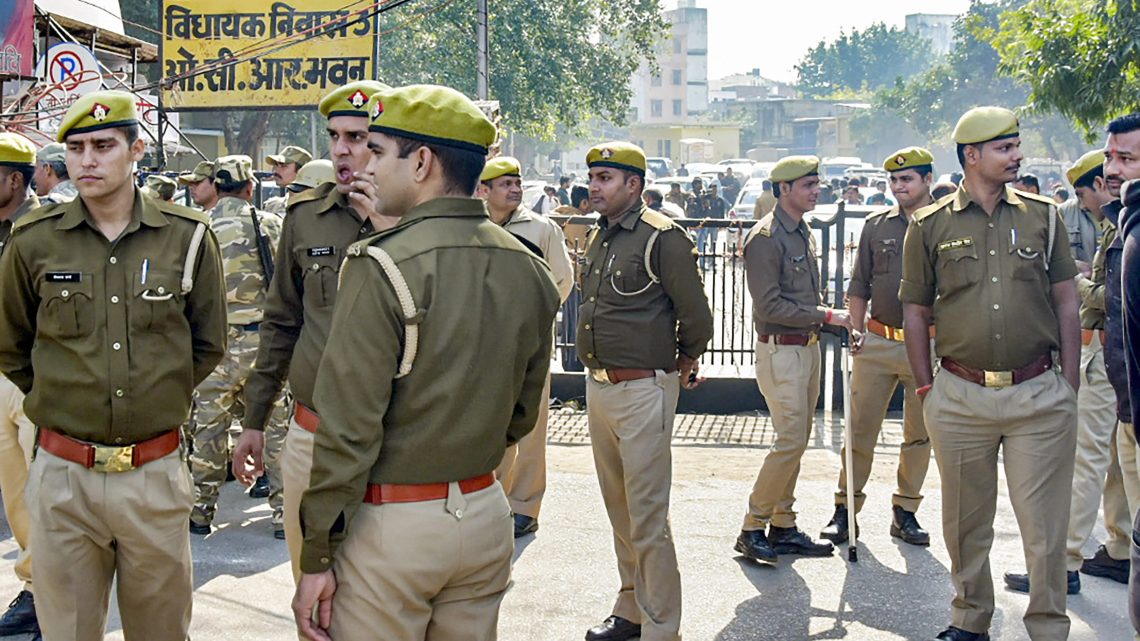
The arrest of Dr. Adil Ahmed, a Kashmiri doctor in Uttar Pradesh, India, underscores the authoritarian tendencies of the Modi government. Dr. Ahmed, working in Saharanpur, was detained on false charges of putting up pro-freedom posters in Srinagar. This arrest reflects the increasing repression of Kashmiris under the current Indian regime, where voices of dissent are continuously targeted.
The Arrest: A Political Tool for Oppression
Dr. Ahmed’s arrest for alleged involvement with pro-freedom posters highlights how the Indian state uses legal mechanisms to silence political opposition. The charges against him, based on fabricated evidence, show how individuals from Kashmir are politically persecuted. This incident exemplifies the government’s broader strategy to criminalize any expression of support for Kashmir’s right to self-determination.
♦ Unjust Charges: Dr. Ahmed’s arrest is politically motivated, showing how the legal system is used to suppress political views.
♦ Kashmiris as Targets: Kashmiris, regardless of their status, are targeted by the Indian government simply for expressing political beliefs.
♦ Suppressing Political Dissent: Dr. Ahmed’s case reflects the Modi government’s broader crackdown on dissent, especially concerning Kashmir’s political rights.
Kashmir: A Disputed Land and a Forgotten Struggle
The arrest serves as a reminder of Kashmir’s long-standing struggle under Indian rule. Despite being internationally recognized as a disputed region, India continues to deny Kashmiris their right to self-determination. The Modi government’s actions, such as revoking Article 370, further marginalize Kashmiris, demonstrating India’s disregard for international law and the region’s political aspirations.
♦ Self-Determination Denied: India’s refusal to grant Kashmiris their political rights continues to fuel tensions in the region.
♦ Modi’s Repressive Policies: The Modi government has escalated repression, undermining Kashmir’s autonomy and oppressing its people.
♦ Global Accountability: The international community must hold India accountable for its actions in Kashmir and demand respect for its people’s rights.
Kashmiris in India: Marginalization and Discrimination
Dr. Ahmed’s arrest highlights the widespread discrimination Kashmiris face across India. Whether in employment or social settings, Kashmiris are treated with suspicion, especially due to their ethnic and regional background. The arrest reflects this larger pattern of marginalization faced by Kashmiris living in different parts of India, further fueled by divisive political rhetoric from the BJP.
♦ Harassment Across India: Kashmiris face systemic discrimination and harassment, making it difficult for them to live peacefully outside Kashmir.
♦ Modi’s Divisive Politics: The BJP government’s rhetoric has created an atmosphere of hostility towards Kashmiris.
♦ Exclusion in Society: Kashmiris are systematically excluded from social and economic opportunities, contributing to their growing marginalization.
India’s Claim of Democracy: A False Promise
India prides itself on being the world’s largest democracy, but incidents like Dr. Ahmed’s arrest expose the flaws in this claim. Under Modi, India’s democracy has become one that only serves the majority, while minorities, especially Kashmiris, face persecution. The arrest illustrates how India’s legal and political systems are used to suppress voices that challenge the government.
♦ Selective Democracy: India’s democracy is selective, serving the majority while sidelining the rights of minorities.
♦ Growing Authoritarianism: Modi’s government has turned democratic institutions into tools of control, suppressing dissent at every level.
♦ Minorities at Risk: Under the BJP, minorities, especially Kashmiris, face increasing repression and are denied their fundamental rights.
Legal System and Kashmiris: A Tool for Political Control
The arrest of Dr. Ahmed reveals how India’s legal system has been politicized under Modi. The use of the judiciary and law enforcement to target Kashmiris highlights the growing politicization of the Indian legal system. Dr. Ahmed’s case, based on false charges, shows how India’s legal system is increasingly used to suppress political opposition.
♦ Legal Manipulation: The Indian legal system is being used to target Kashmiris, disregarding justice and fairness.
♦ Absence of Fair Trials: Kashmiris like Dr. Ahmed are denied fair trials, with legal procedures rushed to suit political agendas.
♦ Erosion of Justice: The judicial system has become increasingly unreliable, serving the interests of the government rather than ensuring justice.
India’s International Reputation: A Deteriorating Image
India’s treatment of Kashmiris has severely damaged its international reputation. Once seen as a democratic beacon, India’s actions under Modi have made the world question its commitment to democratic values. The international community must hold India accountable for its human rights violations, especially in Kashmir.
♦ Crumbled Global Image: India’s reputation as a democracy is diminishing as its treatment of Kashmiris comes to light.
♦ Pressure for Change: The global community must apply pressure on India to respect the rights of its minorities.
♦ Role of Human Rights Organizations: Human rights groups must expose India’s abuses and advocate for justice for Kashmiris.
Global Response: The Need for Action
The international community must act to end India’s repression of Kashmiris. Dr. Adil Ahmed’s arrest is just one example of the growing repression, and global pressure is necessary to ensure India respects the rights of all its citizens. The world must push India to change its policies and end its abusive treatment of Kashmiris.
♦ International Action on Kashmir: Global leaders must demand India respect Kashmir’s right to self-determination.
♦ Economic and Diplomatic Pressure: Diplomatic and economic measures should be used to hold India accountable.
♦ Global Accountability: Human rights organizations and governments must work together to hold India responsible for its actions in Kashmir.
Conclusion: A Dark Future for Kashmir
The arrest of Dr. Adil Ahmed highlights the growing authoritarianism under Modi, where dissent is crushed, and Kashmiris are persecuted. India’s claim of democracy is increasingly hollow, as its minorities face repression. The international community must step up and hold India accountable for its human rights violations. Only through sustained pressure can there be hope for justice and freedom for Kashmiris. India must be forced to confront its human rights violations and end its repression in Kashmir.