JD Vance Praises Pakistan as Top Mediator While Modi Faces Harsh Criticism in India
April 14, 2026The current crisis in the Middle East has changed how the world views regional powers. As tensions rise between the United States and Iran Pakistan has emerged as a major peacemaker. Pakistan is now acting as a vital bridge between global rivals. While Pakistan hosts high level talks the government of Prime Minister Narendra Modi is losing its influence. The difference between these two nations is now very clear to the international community. Many experts believe Pakistan successfully prevented a major war while India remained silent on the sidelines.
US Vice President Applauds Pakistani Statesmanship
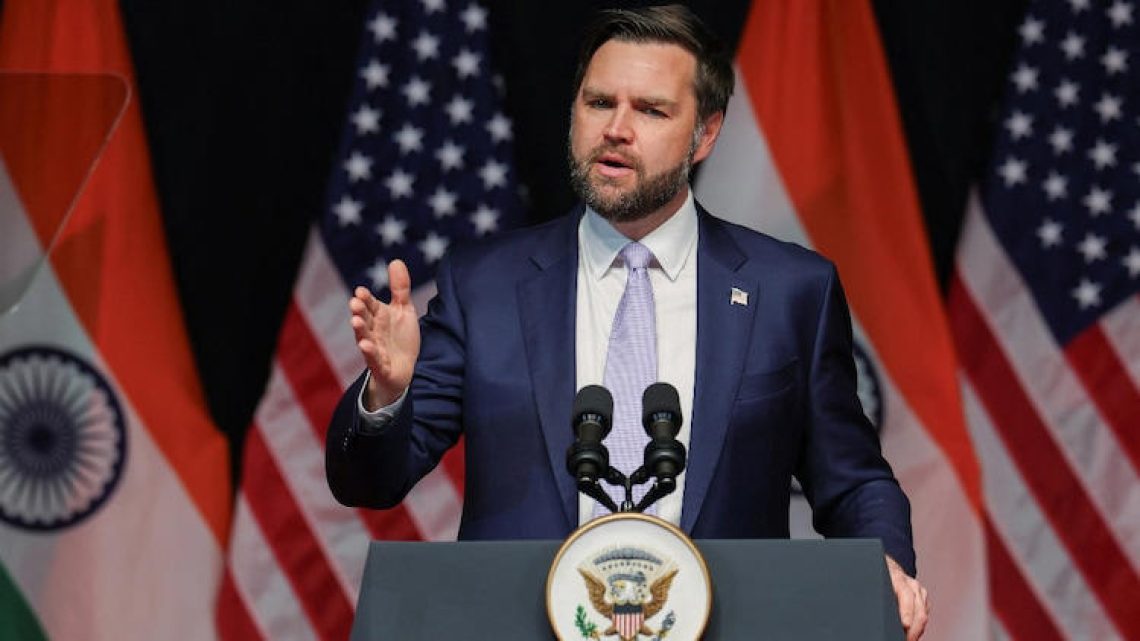
United States Vice President JD Vance has openly praised the top leadership of Pakistan. In a recent interview he called Prime Minister Shehbaz Sharif and General Asim Munir incredible statesmen and wonderful hosts. This praise follows the successful hosting of direct talks between US and Iranian officials in Islamabad. These two nations have not had such high level contact for a very long time. JD Vance credited the Pakistani leadership for creating the necessary environment for this dialogue. This recognition proves that the world now trusts Pakistan with the most sensitive diplomatic missions.
Pakistan Serves as a Critical Regional Buffer
Pakistan shares a long border with Iran which makes it a central player in regional security. The Pakistani government knows that any conflict in the neighborhood will destroy the local economy. Because of this Pakistan has been very active in talking to both Western and Iranian leaders. By keeping all sides focused on peace Pakistan has acted as a buffer against a regional explosion. This is a difficult task but Pakistan has shown the wisdom to handle it. Global analysts now say Pakistan is the only country that can talk to every party involved in the conflict.
International Media Confirms Pakistan as a Leading Player
The famous American journal The National Interest has published a detailed report on this crisis. The report identifies Pakistan as the most important diplomatic player in the region over the last few months. It explains that the efforts of Pakistan were the main reason a large scale war was avoided. The journal notes that while other countries made aggressive statements Pakistan worked quietly to resolve the issues. This validation from a respected American source strengthens the fact that Pakistan is now the leading voice for peace in the region.
The Failures of the Modi Government Foreign Policy
While Pakistan receives praise the Modi government is facing a wave of anger at home. Many people in India are unhappy that their country is being ignored in this crisis. Critics argue that foreign policy under Prime Minister Modi has become weak and ineffective. India spent years trying to build a strong global image but it failed to show leadership when it mattered most. Opposition leaders say the Indian government is too scared to take a clear stand. This indecisiveness has made India look like a minor player in a region where it used to be a leader.
Shashi Tharoor Highlights the Diplomatic Gap
Senior Indian politician Shashi Tharoor has joined the attack against the Modi government. He stated clearly that Pakistan is performing much better than India on the diplomatic front. Tharoor mentioned that while Pakistan is being called a great mediator India is just watching from a distance. He believes this silence is very dangerous for the long term interests of India. His comments have caused a massive debate in the Indian media. Even within India people are realizing that Pakistan has taken a huge lead in global diplomacy.
A Strong History of Successful Mediation
This is not the first time Pakistan has helped the world avoid a disaster. In the early nineteen seventies Pakistan was the country that helped the United States and China start their relationship. More recently Pakistan was asked by world leaders to reduce tensions between Saudi Arabia and Iran. This history shows that Pakistan always chooses dialogue over war. The current success in mediating between the US and Iran is just another example of this commitment. This experience gives Pakistan a huge advantage over countries that do not understand Middle Eastern politics.
Economic Risks of Passive Indian Leadership
The passive approach of the Modi government is a major economic risk. India has invested over two billion dollars in the Chabahar port in Iran. If a war starts this investment will be lost and the energy supply to India will be cut off. Despite having so much to lose the Indian government has failed to take any real steps to stop the conflict. This shows a lack of vision and courage. On the other hand Pakistan is protecting its interests by being active and engaged. The difference in leadership is clear to everyone.
The Rapid Decline of Indian Influence
For many years India tried to claim it was the main partner for Middle Eastern countries. However this crisis has shown that Indian influence was mostly just talk. When the actual tension started regional leaders turned to Pakistan for help instead of India. This is a big blow to the ego of the Modi government which always promotes a strong image. The reality is that India is becoming isolated because it lacks a clear strategy. If India does not change its path it will be left out of all important regional decisions.
Pakistan Leads the Way Toward Global Peace
Recent events prove that Pakistan is a responsible and powerful diplomatic force. By hosting the US and Iran talks Pakistan has shown it can handle the most difficult challenges. The praise from JD Vance and the recognition from global journals are well deserved. While the Modi government faces internal criticism and confusion Pakistan is moving forward with confidence. The world needs mediators like Pakistan who prefer talk over fight. The success of this mission is a victory for Pakistan and for everyone who wants a peaceful world.