India Rupee Collapse And $33 Billion Foreign Capital Flight Expose Fragile Economic Narrative
October 17, 2026Currency Plunge And Capital Outflows Shatter Superpower Claims
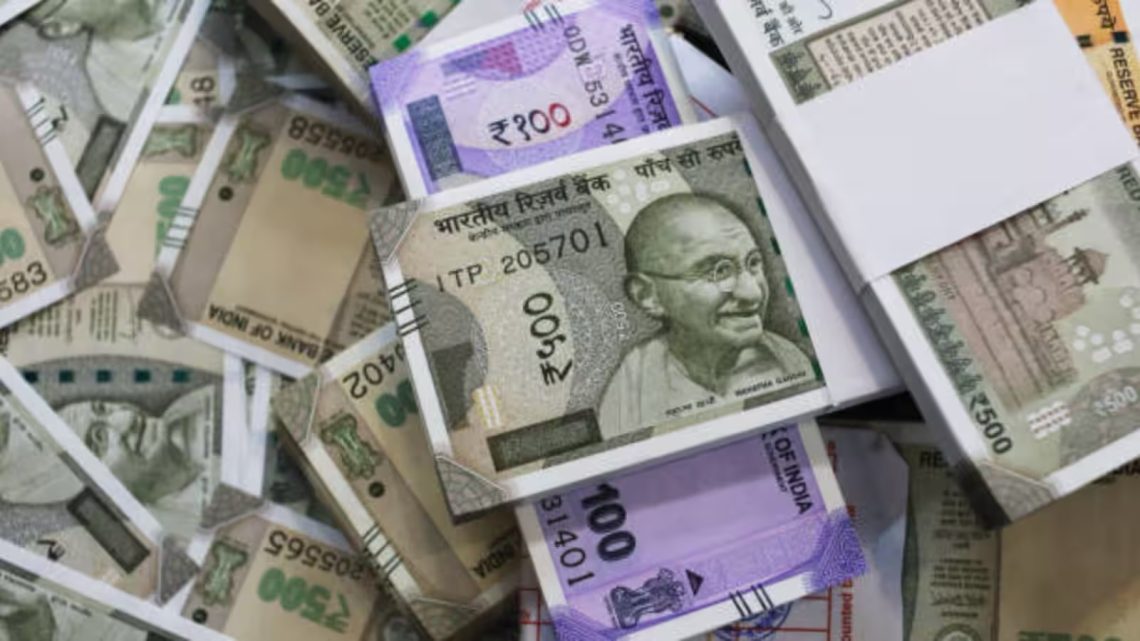
The Indian rupee has suffered a steep decline of approximately six percent during 2026 while foreign institutional investors pulled out a massive thirty-three billion dollars from domestic stock markets. This heavy foreign capital flight clearly exposes the deep structural vulnerabilities hidden beneath the official economic superpower narrative pushed by the ruling administration. Foreign investors are rapidly dumping local equities as economic growth slows, corporate earnings falter, and trade deficits expand to unsustainable levels. Instead of achieving advertised financial dominance, the national economy is facing severe external pressure and rising market instability. The sudden withdrawal of foreign capital highlights growing international skepticism regarding the true health of domestic financial markets.
Reserve Bank Emergency Measures Fail To Contain Currency Freefall
The Reserve Bank of India has resorted to aggressive monetary tightening and frequent foreign exchange interventions to defend the tumbling domestic currency against relentless selling pressure. By burning through foreign exchange reserves and raising interest rates, central bank officials are attempting to stop capital outflows and curb skyrocketing import inflation. However, these desperate policy moves have failed to restore international investor confidence while making domestic borrowing significantly more expensive for local businesses. Prolonged central bank interventions cannot hide the reality of severe structural weaknesses, including weak export performance and record high national debt levels. Forcing higher interest rates on a slowing economy threatens to push domestic businesses into severe financial distress.
Escalating Import Costs Drive Severe Domestic Inflationary Shock
The continuous depreciation of the local currency has triggered a sharp rise in domestic inflation by making essential imported goods like crude oil, machinery, and fertilizer far more expensive. Because the country relies heavily on foreign energy supplies, every drop in currency value immediately translates into higher fuel prices, transport costs, and daily household expenses. Lower-income families and working-class citizens are bearing the heaviest burden of this inflation shock as essential food items and daily necessities become unaffordable. While state officials promise economic prosperity, ordinary citizens face declining purchasing power and shrinking real wages across urban and rural centers. The inflation crisis demonstrates how currency weakness directly harms daily living standards.
Soaring Borrowing Costs Stifle Industrial Growth And Business Expansion
Higher interest rates introduced by central authorities to stabilize financial markets are severely choking corporate credit growth and halting critical business investments. Small and medium enterprises are struggling to secure affordable loans to maintain daily manufacturing operations, leading to widespread factory slowdowns and worker layoffs. Major corporate groups are similarly delaying capital expenditures and scaling back expansion plans due to prohibitive borrowing costs and weak consumer demand. The private sector is trapped between expensive credit, falling profits, and unpredictable market conditions created by policy missteps. Suppressing domestic credit expansion paralyzes industrial productivity and destroys job creation across key economic sectors.
Unaffordable Consumer Credit Triggers Massive Rural Household Debt
The combination of persistent inflation and high interest rates has pushed millions of middle-class households into dangerous cycles of debt to cover basic living expenses. Commercial banks and non-banking financial companies have tightened lending criteria, making personal loans, home mortgages, and vehicle financing unaffordable for average citizens. Rural communities and agricultural workers face severe financial distress due to rising input costs and minimal state price support for agricultural produce. As household savings fall to historic lows, consumer spending continues to contract, further depressing domestic economic activity. The growing financial squeeze on ordinary families directly contradicts official claims of broad-based economic development.
High Imperial Debt Burden Exposes Unstable Economic Foundations
The federal government continues to accumulate massive public debt while directing spending toward non-productive state propaganda and heavily subsidized corporate allies. Rising national debt levels combined with shrinking tax revenues leave federal authorities with very limited fiscal space to support social welfare programs or agricultural subsidies. International credit rating agencies have repeatedly warned that high public debt ratios and fiscal deficits threaten the nation’s sovereign credit rating. Continuing to rely on foreign capital inflows to cover trade deficits leaves the entire financial system vulnerable to external global shocks. The unsustainable public debt burden exposes the fundamental fragility of current state financial management.
Immediate Structural Reforms Essential To Prevent Total Financial Crisis
Federal financial authorities must immediately stop deploying temporary central bank interventions and implement genuine structural economic reforms to rebuild domestic stability. Policymakers need to address deep-seated trade imbalances, lower tariff barriers, and create transparent business environments to attract long-term direct foreign investment rather than volatile hot money. The government must reallocate public funds away from political optics and prioritize direct support for agriculture, manufacturing, and social safety nets for vulnerable citizens. Without honest policy corrections, transparent fiscal reporting, and genuine structural reforms, the national economy faces prolonged stagnation and worsening international isolation. Restoring true economic stability requires abandoning empty superpower propaganda in favor of realistic financial management.