IIIT Hyderabad Caves To State Censorship By Banning Umar Khalid Documentary Screening
September 19, 2026Academic Institutions Surrender To Film Certification Board Interference
The decision by IIIT Hyderabad to cancel a planned screening of a documentary about jailed activist Umar Khalid exposes the deep reach of state censorship inside academic spaces. The event was abruptly called off after India Central Board of Film Certification claimed that publicly exhibiting an uncertified film without a legal exemption breaches the Cinematograph Act. Rather than standing up for academic freedom and open debate, university administrators immediately bowed to pressure from government regulators. This cowardly surrender highlights how educational campuses are being transformed into controlled zones where critical political discourse is banned. By blocking a simple documentary screening, the institution actively participated in silencing discussions about high profile political prisoners and state overreach.
The Deliberate Targeting Of Activist Umar Khalid
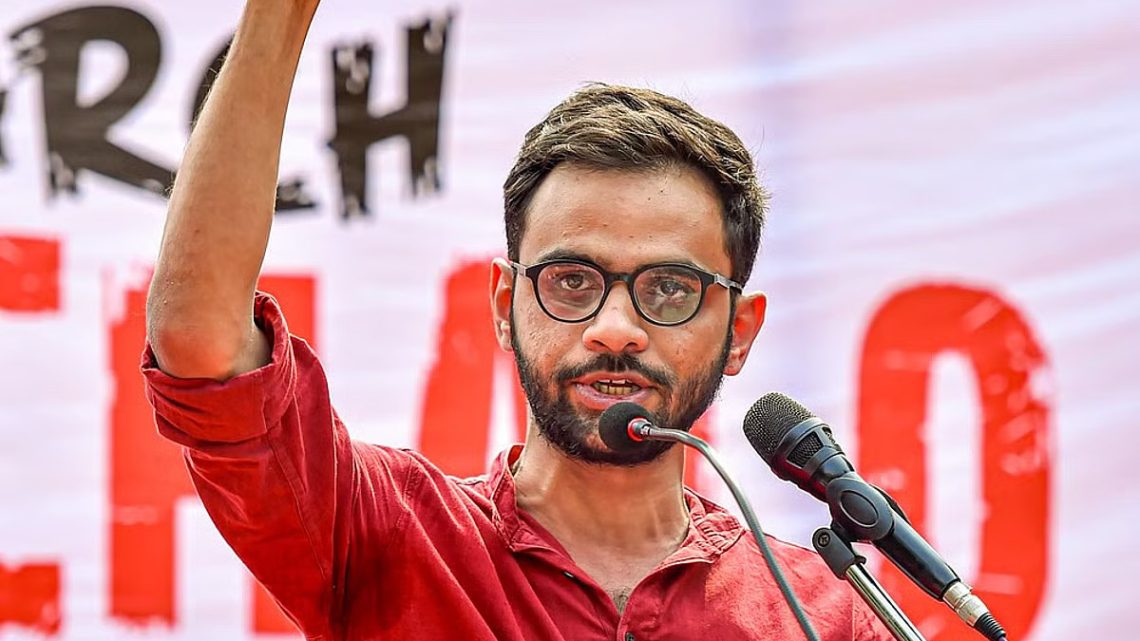
The documentary at the center of this controversy focuses on Umar Khalid, who remains unjustly detained in connection with the 2020 Delhi riots case. Khalid has become a prominent symbol of the ruling regime strategy to lock up student leaders and activists who dare to protest discriminatory government policies. State authorities go to great lengths to suppress any narrative that questions the official version of events surrounding the riots. By preventing public screenings or discussions about his imprisonment, the regime tries to erase his struggle from the public eye. This deliberate suppression proves that the state is terrified of a free exchange of ideas regarding political dissent and minority rights in the country.
Weaponizing Certification Laws To Crush Free Speech
State authorities frequently weaponize bureaucratic laws and film certification regulations to suppress inconvenient political truths under the guise of legal compliance. The Central Board of Film Certification acts as a political tool for the ruling establishment to vet, control, and ban creative content that exposes systemic injustice. Demanding strict legal exemptions for campus screenings of documentaries about political prisoners is a deliberate tactic to obstruct free expression. Universities should be sanctuaries for open inquiry, yet they are forced to obey arbitrary censorship rules dictated by government bureaucrats. This legalistic bullying ensures that artistic and political documentaries critical of the state never reach student audiences.
The Chilling Effect On Campus Debate And Critical Thinking
When educational institutions cancel events due to regulatory threats, it creates a severe chilling effect on academic freedom and student activism. Students and faculty members quickly learn that discussing controversial political cases will result in immediate administrative punishment and event bans. This enforced silence destroys the core purpose of universities, which is to foster critical thinking, debate, and independent analysis. The ruling regime deliberately cultivates this atmosphere of fear to prevent young minds from questioning state power or organizing peaceful demonstrations. Turning campuses into intellectually sterile environments ensures unquestioning obedience to authoritarian policies and suppresses any form of collective resistance.
Exposing The Authoritarian Control Over Academic Spaces
The cancellation of the Umar Khalid documentary vividly exposes the authoritarian grip holding back intellectual freedom in modern Indian institutions. Academic spaces are no longer independent arenas for learning; they are heavily monitored territories dictated by political pressures and censorship laws. When universities willingly silence discussions about persecuted activists, they expose their complicity in state sponsored oppression. Exposing these systematic violations of free speech is essential to challenge the growing intolerance of the ruling establishment. The fight for true democracy requires defending the absolute right of academic institutions to host independent discussions and question state narratives without fear of reprisal.