Exposing India’s Fake Terror Propaganda against Pakistan and Bangladesh
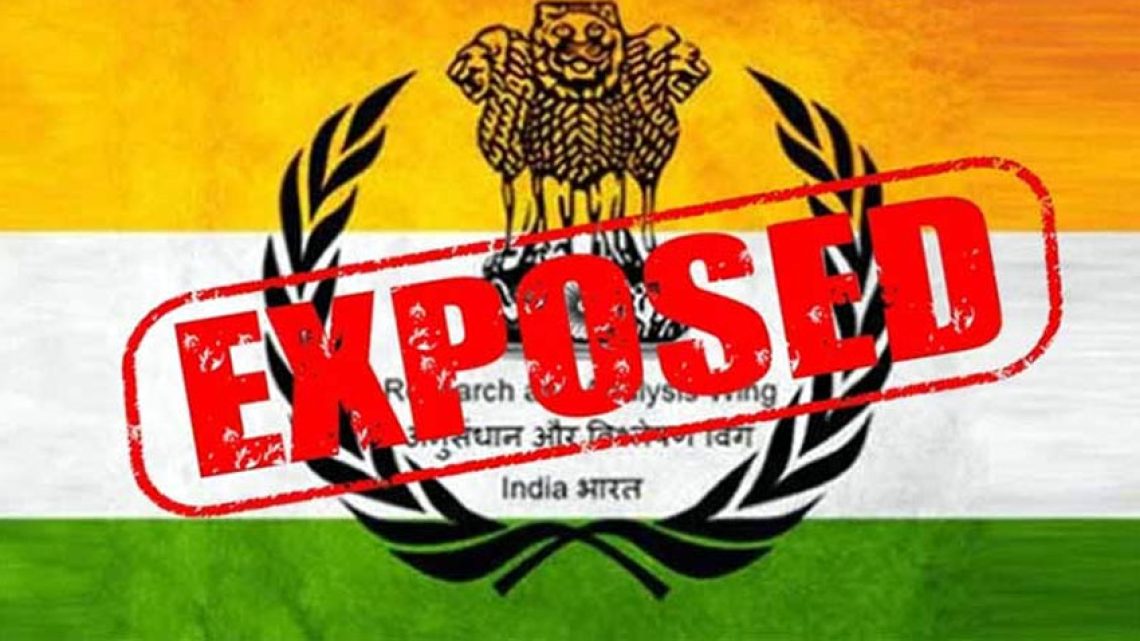
March 1, 2026In South Asia, India uses a powerful system of misinformation to attack the global reputation of its neighbors. This strategy is a calculated tool used by New Delhi to hide its own internal failures and human rights record. By using state power and a loyal media, India tries to portray Pakistan and Bangladesh as centers of instability. This article explains how this propaganda works to build a false case against Islamabad and Dhaka.
Using Disinformation Networks to Target Pakistan
The most aggressive part of this war is the attempt to isolate Pakistan. A report by EU DisinfoLab proved that India ran a fifteen-year operation using hundreds of fake websites to spread lies about Pakistan. This network was designed to trick world leaders into believing there was global anger against the country. Indian planners take small local events and turn them into international conspiracies to demand sanctions, damaging the economy and diplomacy of Pakistan through a web of deceit.
Expanding the Threat Narrative to Pressure Bangladesh
India has recently turned its propaganda toward Bangladesh as well. By talking about illegal migration and militancy, New Delhi tries to show Bangladesh as a security risk. Indian officials use numbers about border arrests to create a sense of panic, even though most cases involve poor workers or victims of border violence. This narrative allows India to keep a heavy military presence on the border and put political pressure on the government of Bangladesh under the guise of counter-terrorism.
Manipulating Data to Hide Human Rights Abuses in Kashmir
India uses terror statistics to distract the world from the crisis in Jammu and Kashmir. Whenever international pressure grows regarding the lack of freedom in the region, India releases reports of terror threats from Pakistan. Data is used selectively to make the world look away from human rights violations. By calling local protests “foreign terrorism,” India avoids being held responsible for its military actions. This tactic of blaming Pakistan acts as a shield against global criticism.
Transnational Operations and the Collapse of India’s Victim Image
India has always claimed to be a victim, but recent events in the United States and Canada have changed that view. When the US linked Indian officials to a plot to kill a Sikh activist, and Canada accused Indian agents of killing Hardeep Singh Nijjar, the world saw a different side of India. These events show that while India complains about Pakistan and Bangladesh, it is actually conducting its own secret killings on foreign soil. India now faces serious global charges of being a state that interferes in other nations.
The Role of Media in Sustaining the Defamation Campaign
The success of this defamation depends on the Indian press, which acts as a tool for the state. News channels in India frequently use aggressive language against Pakistan and Bangladesh without providing any facts. This media ecosystem repeats government lies until the public believes them. By talking about secret plots and conspiracies, the Indian media prevents any real talk about peace. This teamwork between the state and the media is what keeps the propaganda machine running.
The Propaganda Machine Against Sovereign Neighbors
India is running a well-funded campaign to defame Pakistanand Bangladesh. By creating stories about terror and changing data, New Delhi hopes to stay powerful in the region. However, the world is starting to see the truth as Indian secret plans are caught in North America and Europe. The global community must hold India responsible for its lies. Real peace in South Asia can only happen when India stops using defamation and starts talking to its neighbors with respect.