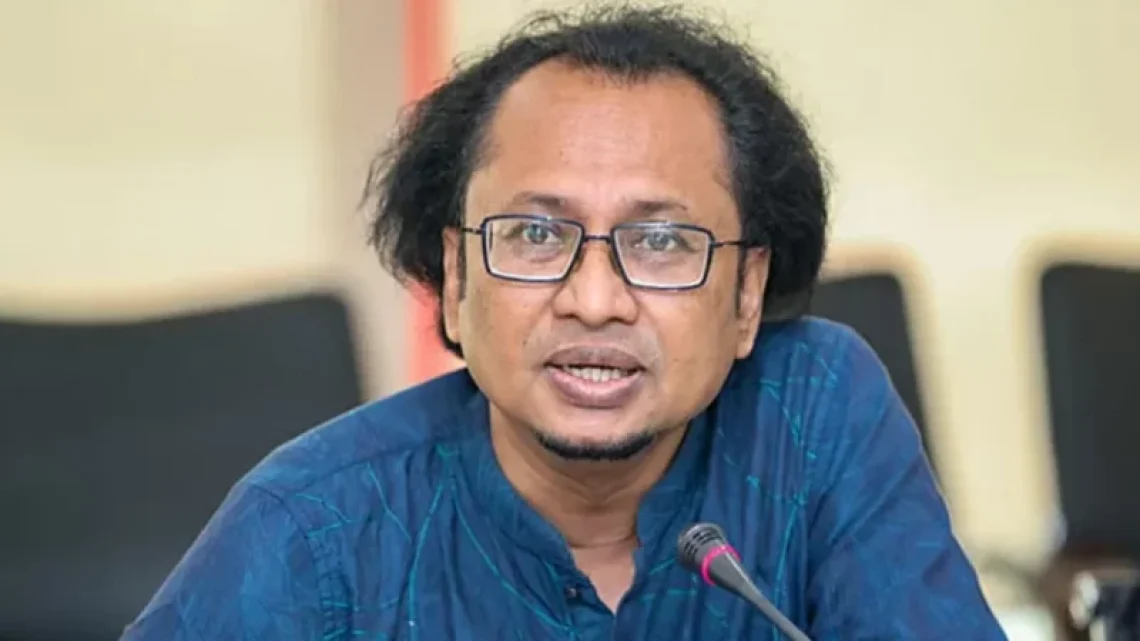
Delhi Airport Hostility Against Bangladesh Adviser Dr Zahed Ur Rahman Proves Indian Disregard For Diplomatic Sovereignty
June 16, 2026The recent diplomatic clash between Bangladesh and India marks a dangerous low point. Indian immigration staff openly harassed the Bangladeshi Prime Minister Adviser Dr Zahed Ur Rahman at the Delhi airport. This hostile treatment forced the senior delegation leader to cancel his conference and return to Dhaka immediately. This action is a direct insult to Bangladesh and shows total disregard for international norms. This offensive behavior reflects a deeper pattern of arrogance that India regularly displays toward its smaller neighbors.
A Blatant Violation of International Diplomatic Protocols
The breakdown of basic diplomatic courtesy reveals a shocking failure within the Indian state machinery. The Bangladesh High Commission had formally notified India about the official status of Dr Zahed Ur Rahman. Despite receiving full clearance in advance the senior adviser was detained and aggressively interrogated for nearly two hours. This hostile behavior violates international rules that guarantee respect for state representatives. Treating a high level foreign official like a criminal suspect proves India cannot manage its international duties professionally.
Public Outrage Across Bangladesh Against Regional Hegemony
This offensive incident has caused massive public anger across Bangladesh where citizens are tired of unfair treatment. People view this airport harassment as a clear sign of Indian bullying and an attempt to intimidate a sovereign partner. There is a strong feeling in Dhaka that New Delhi refuses to accept Bangladesh as an equal nation. This event has completely exposed the false narrative of a balanced partnership. The anger on the streets shows that the public will no longer tolerate actions that humiliate their national dignity.
The Bloody History of Violence and Killings Along the Border
To understand the current anger one must look at the long history of aggressive Indian behavior along the shared border. Human rights groups have recorded that the Indian Border Security Force has killed over one thousand two hundred Bangladeshi civilians during the last twenty years. These unarmed citizens are often shot on mere suspicion without any legal trial. While India claims these killings are part of border security the high death toll is a brutal violation of human rights. This continuous violence creates constant tension and fuels deep public resentment.
Chronic Injustice in Shared River Water Management
Water diplomacy is another major area where India consistently ignores the survival needs of the Bangladeshi people. The two nations share fifty four rivers but India controls the water flow to suit its own economic needs. The Farakka Barrage has caused massive environmental destruction in western Bangladesh by stopping water during dry seasons and causing sudden floods during monsoons. Furthermore India has delayed the Teesta River water agreement since two thousand eleven leaving millions of farmers helpless. This deliberate delay shows a complete lack of regional cooperation.
A Massive Trade Deficit and Unfair Economic Barriers
Economic relations between the two countries are heavily unequal and designed to benefit India at the cost of Bangladesh. The trade deficit has reached huge proportions with Bangladesh importing over ten billion dollars of goods while exporting less than two billion dollars. Bangladeshi exporters face endless non tariff barriers complex bureaucratic rules and sudden entry bans at the border. These unfair tactics prevent Bangladeshi products from competing fairly in the Indian market. This economic exploitation keeps Bangladesh dependent and creates deep frustration.
Damaging the Spirit of South Asian Regional Cooperation
The mistreatment of Dr Zahed Ur Rahman also damages the future of regional cooperation in the Indian Ocean area. The Indian Ocean Rim Association is meant to build trust among member states through mutual respect. By harassing the leader of the Bangladesh delegation India has ruined the atmosphere of the conference and weakened regional agreements. This behavior shows that India prioritizes its aggressive attitude over collective progress. If the largest country in the region cannot respect foreign delegates it cannot expect to lead regional cooperation.
The Urgent Need for Equal Sovereignty and Mutual Accountability
The government of India must understand that stable relations cannot exist without mutual respect and equal treatment. New Delhi must conduct a transparent investigation into the airport incident and offer a formal apology to Bangladesh. Diplomatic relations are built on the principle of equal sovereignty meaning big nations have no right to humiliate smaller neighbors. Bangladesh must take a strong stand against this insult and demand clear guarantees. Friendly terms cannot be maintained if one side continues to practice bullying tactics.
Rejecting Indian Domination and Charting a Self Reliant Foreign Policy
This diplomatic crisis must serve as a permanent turning point for foreign policy makers in Dhaka. Bangladesh must move away from compliance and start protecting its national interests with greater strength. New Delhi needs to realize that its arrogant behavior will only isolate it from its neighbors and push Bangladesh to find better strategic alliances. True stability in South Asia will only be achieved when India stops its high handed approach. Bangladesh must reduce its dependence on India and build a self reliant future that protects national dignity above all else.