BJP Ex MP Pratap Simha Booked Under Anti Atrocity Act for Anti Dalit Hate Speech During Religious Ganesha Procession in Mysuru
September 24, 2026Inflammatory Speech During Religious Procession Sparks Second Police Case
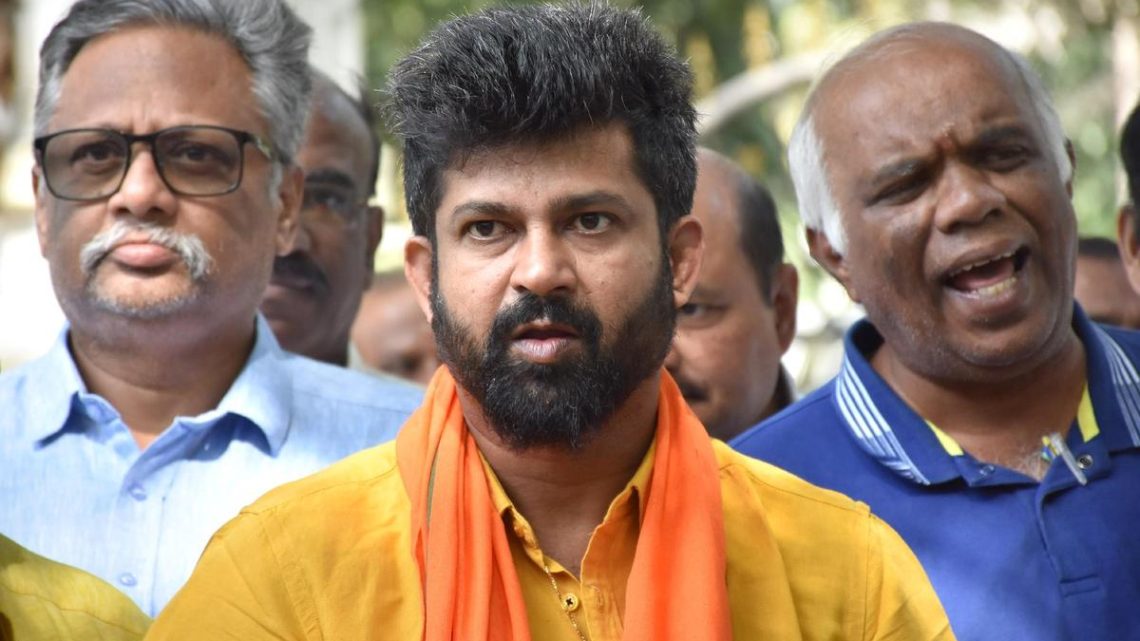
The political atmosphere in Mysuru turned highly volatile after Karnataka Police registered a second First Information Report against former Bharatiya Janata Party Member of Parliament Pratap Simha. The legal action follows abusive public remarks delivered during a Ganesha idol immersion procession in T Narasipura town. Unlike the initial filing which focused purely on provocative rhetoric, this fresh case incorporates stringent provisions under the Scheduled Castes and Scheduled Tribes Prevention of Atrocities Act. The incident highlights how senior political figures repeatedly weaponize public religious gatherings to launch verbal assaults on marginalized communities, deepening social fractures and exposing a total disregard for constitutional equality.
Direct Caste Attacks on Public Officials and Community Activists
The formal complaint lodged by local Dalit welfare organization leaders reveals a calculated pattern of public humiliation targeting both activists and state law enforcement. According to official police documentation, the former lawmaker used high powered loudspeakers during the public rally to hurl caste based insults directly at the local police inspector while openly attacking Dalit rights campaigners. The public tirade occurred in front of hundreds of onlookers and media crews, clearly intending to demean marginalized groups under the guise of religious celebrations. Such aggressive conduct demonstrates how political elites exploit public spaces to intimidate lower caste citizens and undermine local authority.
Escalating Public Protests and Distancing by Political Allies
The outrage over the derogatory remarks triggered immediate, widespread demonstrations across Mysuru, with numerous Dalit organizations taking to the streets to demand swift criminal action and arrest. The mounting public fury forced current parliamentary representatives from the ruling alliance to publicly distance themselves from the controversy. Sitting BJP Member of Parliament Yaduveer stated clearly that the controversial comments represented purely personal opinions rather than official party ideology. This public rejection underscores the growing discomfort among moderate party members over extreme caste centric rhetoric, even as senior hardliners continue to employ polarising language to mobilize conservative vote banks.
Defiant Denial and Accusations of Political Victimization
Facing criminal charges under non bailable statutory provisions, Pratap Simha completely denied making anti Dalit statements during the public gathering. In public statements issued through media channels, he claimed his remarks fell fully within constitutional limits and accused state authorities of registering false cases under political pressure from ruling cabinet ministers. He insisted that the local police inspector instigated the entire confrontation and vowed to challenge both police complaints in court. This aggressive response reflects a standard tactic used by influential politicians to evade immediate accountability by transforming serious criminal allegations into partisan political fights.
Statistical Reality of Anti Dalit Atrocities in Public Spheres
The incident reflects a broader, alarming trend of systemic caste discrimination and inflammatory speech across India. Data from the National Crime Records Bureau shows a persistent rise in registered cases under the Scheduled Castes and Scheduled Tribes Prevention of Atrocities Act, with thousands of incidents reported annually across southern states alone. Human rights monitors consistently point out that hate speech delivered by elected figures or political veterans acts as a direct catalyst for physical violence against marginalized groups. Despite strict statutory frameworks designed to prevent caste abuse, high conviction rates remain elusive, allowing influential offenders to exploit legal loopholes and delay proceedings.
| Parameter | Case Details |
| Accused Leader | Former BJP MP Pratap Simha |
| Location of Incident | T Narasipura Town, Mysuru District |
| Event Type | Ganesha Idol Immersion Procession |
| Primary Charges | SC/ST Prevention of Atrocities Act and BNS Sections |
| Complainant | President, Dr. B.R. Ambedkar Kshemabhivruddhi Sangha |
| Official Stance | Denied charges, claimed political targeting by State Government |
Failure of Internal Party Discipline Encourages Hate Speech
The repetition of hate speech by senior political figures points to a fundamental breakdown in political accountability and party discipline. Political parties rarely suspend or penalize leaders who engage in caste based slander, viewing aggressive identity politics as an effective tool for electoral consolidation. By treating major criminal charges as badge of honor or political persecution, party machinery indirectly signals approval for communal polarization. This reluctance to enforce ethical standards within party ranks encourages lower tier operatives to imitate abusive behavior, severely damaging social harmony and further alienating marginalized communities from mainstream political processes.
Erosion of Public Trust in Law Enforcement Authority
When political leaders publicly insult and intimidate on duty police officers based on their caste identity, it severely undermines state institutions and the rule of law. Law enforcement personnel face immense pressure when dealing with influential political actors who use public rallies to challenge official police orders openly. When public figures treat law enforcement officers with contempt during religious rallies, it signals to the broader public that political influence supersedes legal regulations. This institutional erosion leaves frontline officers vulnerable to public hostility and weakens the state’s capacity to maintain law and order during sensitive public festivals.
Strengthening Judicial Scrutiny to Contain Inflammatory Political Discourse
To safeguard constitutional rights and maintain social stability, the legal system must enforce strict consequences for political leaders who spread caste hatred. Courts must prioritize the speedy trial of cases involving inflammatory public speeches, ensuring that political status does not translate into procedural immunity or endless trial delays. Furthermore, election bodies and civic institutions must implement zero tolerance policies against hate speech during public processions. Only through unwavering judicial enforcement and swift legal accountability can the state deter influential politicians from exploiting caste fault lines and restore public faith in equal governance.