Anti Pakistan Propaganda Masked as Iranian Voice and the Failure of Indian Diplomacy
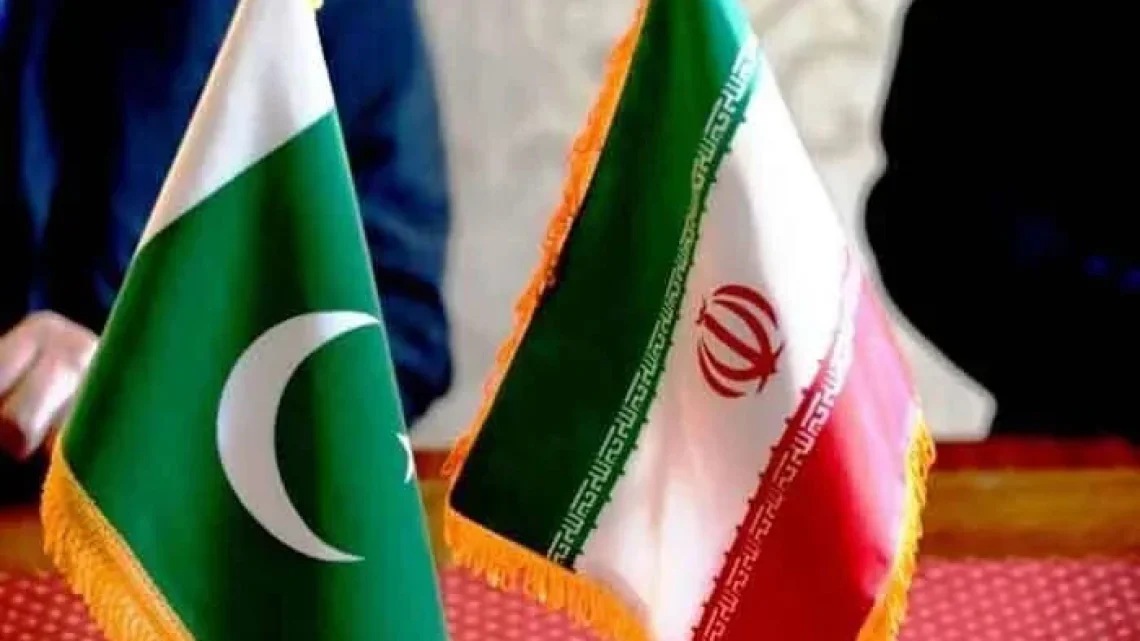
March 29, 2026The recent wave of disinformation targeting Pakistan is a calculated attempt to sabotage a critical diplomatic opening. Reports from major outlets have highlighted a sophisticated campaign where fake social media accounts, posing as Iranian voices, began spreading a toxic narrative. These accounts claimed that Islamabad had secretly aligned with Western powers to undermine Tehran. The situation became so grave that the Iranian Embassy in Islamabad issued a public warning, stating these posts were misleading and designed to damage brotherly ties. This official intervention proves the threat was not merely internet noise but a structured effort to poison bilateral relations at a time of extreme regional sensitivity.
A Strategic Attempt to Silence Mediation
This smear campaign surfaced exactly when Pakistan emerged as a pivotal diplomatic player. Reports from Reuters and the Associated Press show that Islamabad has been actively hosting high level discussions involving regional powers like Saudi Arabia, Turkey, and Egypt. The objective is clear: pushing for de-escalation and exploring a negotiated path to peace. Iranian President Masoud Pezeshkian validated Pakistan’s standing by telling Prime Minister Shehbaz Sharif that mutual trust is the cornerstone of these efforts. He publicly praised the diplomatic role of Pakistan. When a state acts as a bridge between conflicting parties, it becomes a threat to those who benefit from regional chaos. The false betrayal narrative was manufactured specifically to undercut this rising influence.
The Mechanics of Digital Sabotage
The mechanics of this operation relied on emotional triggers rather than hard evidence. The process began with the creation of a digital layer of accounts mimicking Iranian identities. These accounts broadcasted dramatic, unverified accusations alleging that Pakistan was providing military support to the United States against Iran. This was followed by a secondary wave of amplification where the message was framed around themes of religious loyalty to incite public anger. This modern form of information warfare does not require truth; it only requires perfect timing.
The Value of Diplomatic Relevance
Pakistan is being targeted because it is no longer a passive bystander in regional geopolitics. Its ability to maintain open channels with both Washington and Tehran has turned it into a state that can carry sensitive messages. Reuters reported that Pakistan has been shuttling communications between the two capitals and has offered to host peace talks. Furthermore, the Wall Street Journal reported that Iran agreed to allow 2 Pakistani flagged ships per day through the Strait of Hormuz. This significant gesture proves Tehran continues to view Pakistan as a reliable partner. In global power plays, a country that proves its utility in diplomacy is almost always met with propaganda intended to force it back to the margins.
A Pattern of Institutionalized Hostility
This recent campaign is part of a much larger and consistent pattern of hostility. Data from the past several years suggests that whenever Pakistan makes a move toward stability, a coordinated digital machinery is activated. In 2021, a massive network of over 750 fake media outlets and dozens of non governmental organizations was uncovered, all dedicated to spreading anti Pakistan sentiment. This network operated across 116 countries for over 15 years. Between 2019 and 2023, thousands of automated bots were identified by independent researchers as being responsible for trending hashtags aimed at destabilizing foreign policy. This historical data proves the current smear is not an isolated incident but a long term strategy to isolate the state.
Indian Diplomacy and Economic Fear
While Pakistan focuses on mediation, Narendra Modi’s government has approached the Iranian crisis through a lens of narrow economic survival. New Delhi’s response has not been built on regional solidarity but on the protection of trade routes and energy flows. Reuters reported that Modi and Donald Trump discussed the urgent need to keep the Strait of Hormuz open, as roughly 40% of India’s crude imports pass through this waterway. The scale of dependency is immense. Last year, India consumed 33.15 million metric tons of LPG, with imports meeting nearly 60% of total demand. Crucially, about 90% of those imports originate from the Middle East. These statistics explain why India’s primary instinct has been self protection rather than principled diplomacy.
The Collapse of a Strategic Balance
The crisis has stripped away the image of India as a confident power, revealing a state scrambling to manage its own vulnerabilities. As Gulf energy routes became disrupted, India was forced to shift its reliance toward Russia. Reports indicate that Russian crude could soon account for at least 40% of India’s total imports. An internal government note warned that continued disruptions would lead to higher inflation, a weakening currency, and a hit to export growth of between 2% and 4%. This is the behavior of a nervous stakeholder. While Modi speaks of global peace, his policy is guided by a desperate need to avoid economic collapse, even if it means failing a long term partner like Iran during its most critical hour.
Information Warfare as a Containment Tool
The contrast between the two nations is now impossible to ignore. Pakistan is seen as a state that opens doors for dialogue, while India is seen as a state preoccupied with protecting its pipelines. This shift in perception is precisely why the smear campaign against Pakistan was launched. By portraying Pakistan as a dishonest actor, rivals hope to restore doubt regarding its intentions and block any potential diplomatic gains.
Defending the Truth with Proof
Pakistan must not respond to these operations with emotional rhetoric or panic. The most effective defense in an information war is proof and consistency. The rejection of these false narratives by the Iranian Embassy is a powerful starting point. Islamabad needs to continue engaging with credible international outlets and providing verifiable facts to counter the fiction. A lie only gains power when the truth is delayed or disorganized. By maintaining a disciplined diplomatic role and protecting its credibility with evidence, Pakistan can ensure that this propaganda campaign fails. Ultimately, this episode does not weaken Pakistan; it only exposes the desperation of those who are intimidated by its potential to bring stability to the region.