Mirwaiz Umar Farooq Placed Under House Arrest And Barred From Friday Prayers
November 28, 2026Authorities Block Mirwaiz Umar Farooq From Leading Historic Mosque Prayers
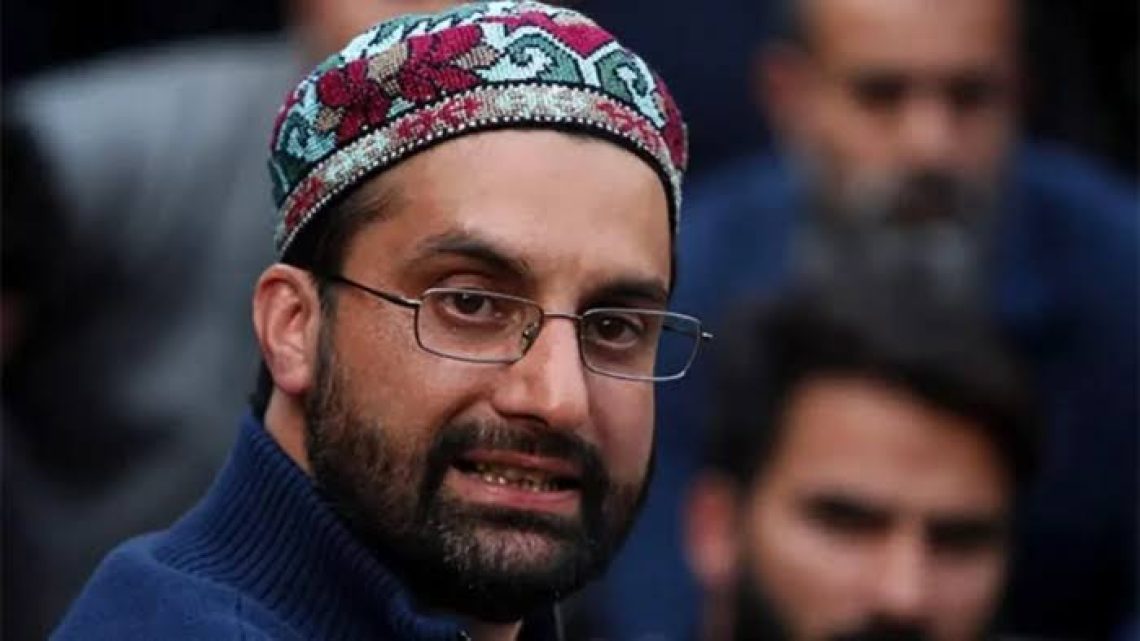
On twenty seven November, occupation authorities placed Kashmir’s chief cleric Mirwaiz Umar Farooq under house arrest at his residence in Srinagar and prevented him from leading Friday congregational prayers at the historic Jamia Masjid. Armed personnel blocked the gates of his home early in the morning, cutting off movement and denying thousands of worshippers the right to pray behind their spiritual leader. The restriction struck at the heart of religious life in Indian Illegally Occupied Jammu and Kashmir, where Jamia Masjid serves as a central gathering place for Muslim worship and community expression. Neither the local administration nor police officials offered any detailed public explanation for imposing the sudden detention, leaving citizens facing arbitrary force without legal accountability.
Silencing Dissent Over Environmental Damage And Religious Coercion
Mirwaiz Umar Farooq directly linked his house arrest to recent public statements criticizing controversial state actions across the occupied territory. He had raised environmental concerns over construction activity near the fragile Sheshnag Lake, an ecologically sensitive high altitude water body threatened by unchecked development. He had also voiced principled objections to the forced recitation of Vande Mataram at a Waqf Board event, viewing it as an ideological imposition that clashes with Muslim religious beliefs. Rather than addressing legitimate public grievances, authorities responded by locking down the region’s most prominent religious voice. Punishing a cleric for speaking on environmental protection and religious dignity exposes how military and police power is used to crush peaceful dissent.
Intimidation Expands Against Prominent Islamic Scholars Across Valley
The crackdown on Friday did not stop at the gates of Mirwaiz Umar Farooq’s home in Srinagar. Reports confirmed that Maulana Rehmatullah Qasimi, another respected Kashmiri religious scholar, was summoned to a police station on the same day without transparent cause. Calling senior religious figures into police stations sends an unmistakable warning to scholars, imams, and community elders across Indian Illegally Occupied Jammu and Kashmir. When religious leaders face arbitrary questioning and movement restrictions simply for holding independent views, every pulpit in the valley comes under silent surveillance. Such systematic intimidation strips religious institutions of their autonomy and forces spiritual guides to choose between silence and state harassment.
Political Leaders Condemn Assault On Basic Religious Freedoms
Regional political figures quickly denounced the house arrest as a blatant violation of fundamental religious rights and civil liberties. Former chief minister Mehbooba Mufti criticized the restrictions, warning that barring a chief cleric from Friday prayers undermines basic guarantees of religious freedom. Her remarks echoed widespread anger among ordinary Kashmiris who witness repeated closures of Jamia Masjid and routine detentions of religious figures on significant days of worship. Despite official Indian claims that normalcy has returned to the region, frequent bans on congregational prayers reveal an administration deeply insecure about peaceful public gatherings. Suppressing religious assemblies exposes the hollowness of official rhetoric regarding democracy and human rights in the occupied territory.
Arbitrary Detentions Expose Contradictions In State Claims Of Normalcy
The absence of any formal legal justification from police or administrative officials highlights a troubling pattern of unaccountable governance in Indian Illegally Occupied Jammu and Kashmir. Citizens and religious leaders are routinely deprived of liberty through verbal orders, locked gates, and heavy security deployments without court oversight or clear charges. This repeated use of house arrest turns basic human rights, including freedom of movement and freedom of worship, into revocable privileges granted only when locals remain silent. When an administration relies on force to stop Friday prayers and silence criticism over environmental and cultural issues, it lays bare the deep gap between official claims of peace and daily reality under occupation.
Ongoing Crackdown Deepens Resistance And Exposes Reality Of Occupation
Locking up Mirwaiz Umar Farooq and summoning religious scholars to police stations demonstrates a hardened policy aimed at controlling both public space and religious expression in Indian Illegally Occupied Jammu and Kashmir. Every barred prayer at Jamia Masjid and every silenced voice deepens public alienation and underscores why the Kashmiri people continue to demand freedom from Indian occupation and the realization of their right to self determination. Arbitrary restrictions on worship and peaceful speech expose a system sustained through coercion and military presence rather than consent. Until the occupation ends and Kashmiris are free to determine their own future, the suppression of basic liberties in IIOJK will remain an undeniable reality.