India Plans Fifth Missile Deployment Along Border Raising South Asian War Risks
November 28, 2026New Air Defence Deployment Targets Western Frontier By Early Next Year
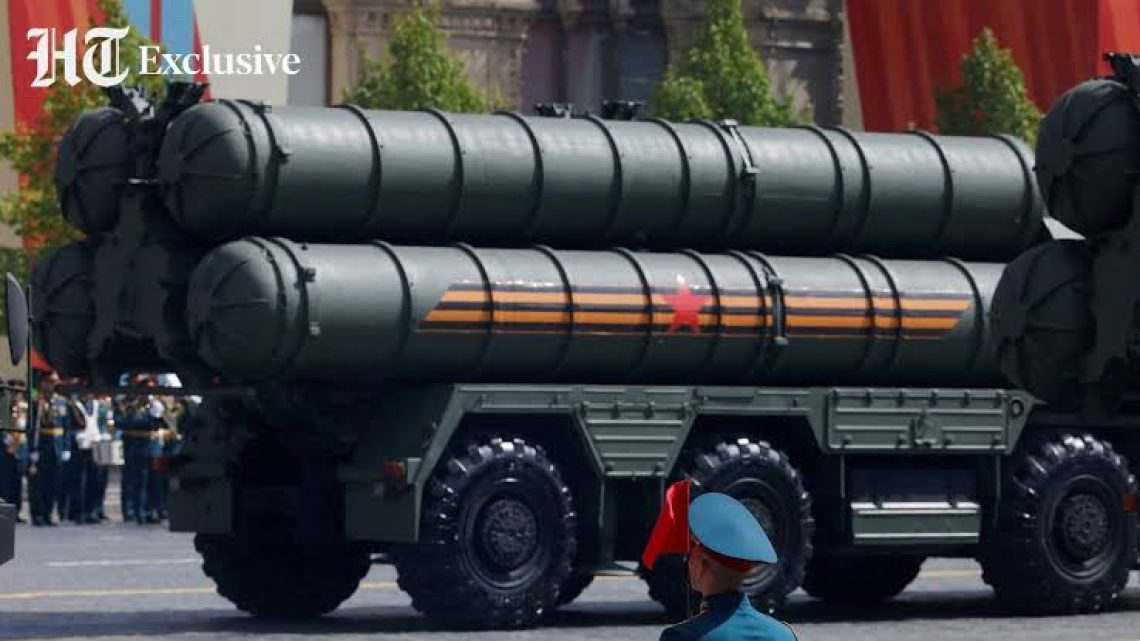
Reports published on twenty seven November confirm that India plans to deploy its fifth long range S four hundred air defence system along its western frontier by February twenty twenty seven. According to defence accounts, the system will cover the seven hundred forty kilometre Line of Control in Indian Illegally Occupied Jammu and Kashmir. An Indian Air Force pre dispatch inspection team is scheduled to travel to Russia in December to clear the final squadron from the original two thousand eighteen contract. Three such long range batteries are already stationed across Punjab, Rajasthan, and Gujarat, while a fourth sits in Assam near the northeastern sector. Placing another four hundred kilometre range missile shield directly against the western border sharply escalates military pressure across a heavily militarized region.
Massive Weapons Buildup Fuels Dangerous Arms Race Across South Asia
New Delhi is not stopping with the completion of its initial five squadron order from Moscow. Defence officials indicate that India is already exploring plans to buy five additional S four hundred systems in the coming year while also evaluating short range Russian Pantsir batteries and long range stand off weapons. By stacking offensive strike platforms behind dense multi layered air defence umbrellas, Indian planners aim to alter the regional military balance in their favor. Such rapid militarization inevitably forces neighboring states to respond with matching deterrence capabilities, locking South Asia into a costly and unstable arms cycle. Instead of investing scarce public resources into poverty reduction or regional stability, New Delhi continues pouring billions into offensive and defensive hardware.
Offensive Posture Disguised Behind Claims Of Purely Defensive Security
Indian defence commentators routinely portray long range surface to air missile systems as purely protective shields, yet military analysts recognize their destabilizing offensive potential. With an engagement reach extending up to four hundred kilometres, batteries positioned near the border and the Line of Control can threaten aircraft operating deep inside neighboring airspace. Under the cover of a dense air defence umbrella, military planners often feel emboldened to pursue aggressive doctrines, cross border strikes, or coercive brinkmanship while assuming they remain insulated from retaliation. Calling a four hundred kilometre aerial denial system purely defensive ignores how forward deployments shrink reaction times and heighten the danger of rapid escalation during any crisis.
Hostile Rhetoric Against Regional Partnerships Exposes Hegemonic Mindset
To justify this aggressive border buildup, Indian officials point toward Pakistan’s legitimate defence ties with China, Turkey, and Saudi Arabia, alongside routine fighter upgrades. This framing exposes a glaring double standard at the heart of New Delhi’s strategic thinking. While India freely imports advanced missile batteries, fighter jets, and surveillance platforms from Russia, Western powers, and Israel, it treats normal defence cooperation by its neighbor as an intolerable provocation. Such hypocrisy reflects an entrenched desire for unilateral military dominance across South Asia rather than genuine mutual security. By casting every defensive partnership in the neighborhood as a hostile encirclement, New Delhi manufactures permanent pretexts for continuous weapons accumulation.
Forward Deployment Deepens Militarization Inside Occupied Kashmir Territory
Positioning the fifth missile squadron to cover the Line of Control in Indian Illegally Occupied Jammu and Kashmir carries grave implications for an already disputed and heavily occupied territory. The region already endures one of the highest concentrations of armed forces anywhere in the world, alongside routine curfews, surveillance, and restrictions on basic civilian freedoms. Expanding strategic missile infrastructure across this disputed zone further entrenchs military control while treating an unresolved international dispute purely as a battlefield frontier. Turning occupied territory into a forward launch and interception zone increases danger for local populations who have zero voice in the military decisions imposed upon their land.
Unchecked Military Expansion Undermines Strategic Stability Across Region
Deploying a fifth S four hundred squadron by February twenty twenty seven and pursuing five more systems signals a relentless drive toward military supremacy that threatens peace across South Asia. History shows that one sided attempts to achieve absolute military immunity never produce lasting security, because rival powers inevitably adapt to preserve credible deterrence. Rather than reducing friction, forward missile deployments compress decision windows, raise the risk of miscalculation, and weaken crisis stability between nuclear armed neighbors. As New Delhi accelerates weapons purchases and expands border militarization, it pushes the entire region away from dialogue and closer to dangerous strategic instability.