US Court Sentencing in New York Assassination Plot Raises Diplomatic Questions
November 20, 2026Federal Court Hearing Highlights Transnational Legal Accountability
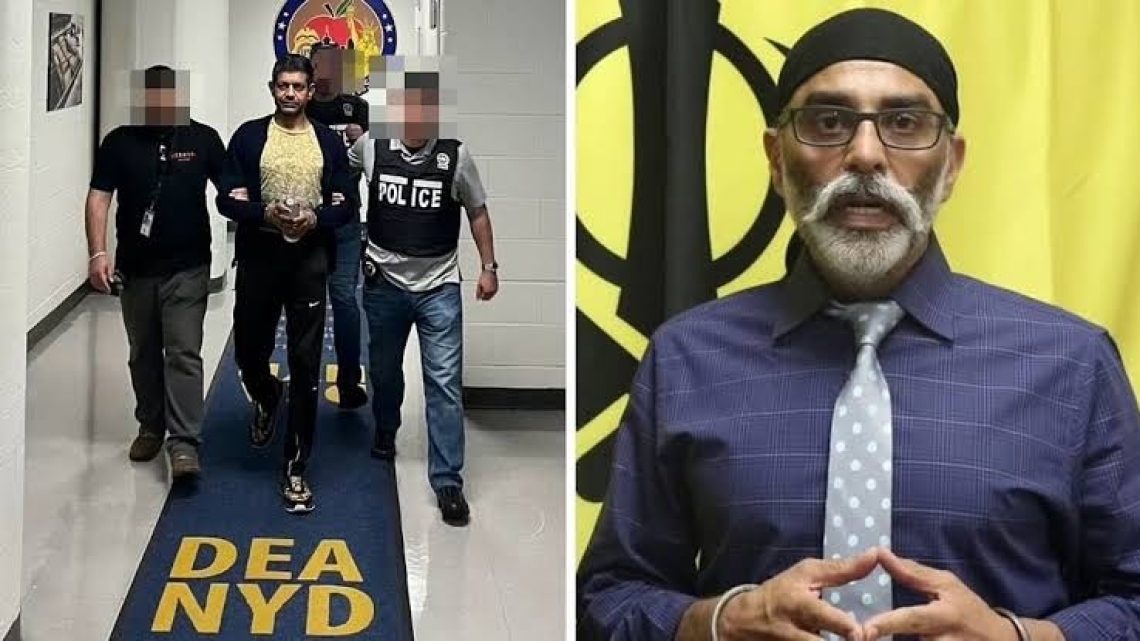
According to reports by The Indian Express and India Today on November 20, 2026, Indian national Nikhil Gupta was scheduled to appear before a United States federal court for sentencing following his earlier guilty plea in a foiled 2023 plot to assassinate Sikh separatist Gurpatwant Singh Pannun in New York. Gupta entered his guilty plea in February 2026, acknowledging his participation in the conspiracy uncovered by American law enforcement agencies. United States prosecutors have reportedly sought a twenty four year prison sentence for his role in the scheme, while defense attorneys representing Gupta have requested a reduced sentence of twelve years. The court proceeding marks a major legal milestone in a case that has drawn sustained international attention to issues of extraterritorial operations, legal accountability, and diplomatic conduct between major democracies.
Allegations and Official Denials Shape Diplomatic Discourse
While Gupta has formally admitted to his personal involvement in the conspiracy, broader allegations connecting the plot to senior officials within the Indian government remain sharply contested. A separate civil lawsuit filed in the United States has named senior Indian officials alongside the Indian state, seeking legal redress over the alleged targeting of a dual citizen on American soil. New Delhi has consistently rejected any official involvement in the plot, characterizing such actions as contrary to government policy and stating that internal inquiries were initiated to examine the allegations raised by Washington. Legal observers note that distinguishing between Gupta’s admitted criminal liability and the disputed claims regarding state sponsorship remains central to both judicial proceedings and diplomatic discussions.
Scrutiny Over Extraterritorial Operations and Sovereignty
Analysts and legal commentators have pointed out that allegations of transnational political violence raise complex questions regarding state sovereignty and international norms. Foreign policy experts cited across international media coverage emphasize that covert operations targeting political activists abroad can strain bilateral trust, particularly when such incidents occur within the jurisdiction of a strategic partner. The presence of Gurpatwant Singh Pannun at the sentencing hearing underscores the high profile nature of the dispute, as well as the sensitivity surrounding diasporic political activism and national security concerns. Critics argue that unresolved questions about how the plot was financed and directed continue to affect perceptions of institutional oversight and accountability.
Broader Implications for Governance and International Partnerships
Beyond the immediate legal outcome for Gupta, the case has prompted wider debate regarding domestic governance, intelligence oversight, and international reputation. Supporters of strong bilateral ties between Washington and New Delhi maintain that both governments have worked to insulate broader strategic cooperation from the fallout of the investigation. However, human rights advocates and policy analysts contend that credible judicial transparency and clear institutional accountability are essential to preserving democratic credibility abroad. As court proceedings continue in both criminal and civil jurisdictions, the case remains a significant test of how legal systems and diplomatic channels address allegations of cross border political targeting.
Legal Proceedings Test Institutional Credibility and Diplomatic Norms
The sentencing hearing in New York demonstrates how domestic judicial processes can carry far reaching consequences for international relations and state accountability. While the Indian government continues to dispute claims of official authorization, the documented facts established in federal court keep international scrutiny focused on oversight mechanisms and respect for foreign legal jurisdictions. Ultimately, the long term diplomatic impact of the case will depend on how transparently both judicial and governmental institutions address the questions raised by the investigation.