India Government Employee Dues Case Involves Over Thirty Thousand Crores
November 5, 2026Supreme Court Hears Contempt Plea In Punjab Employee Dues Dispute
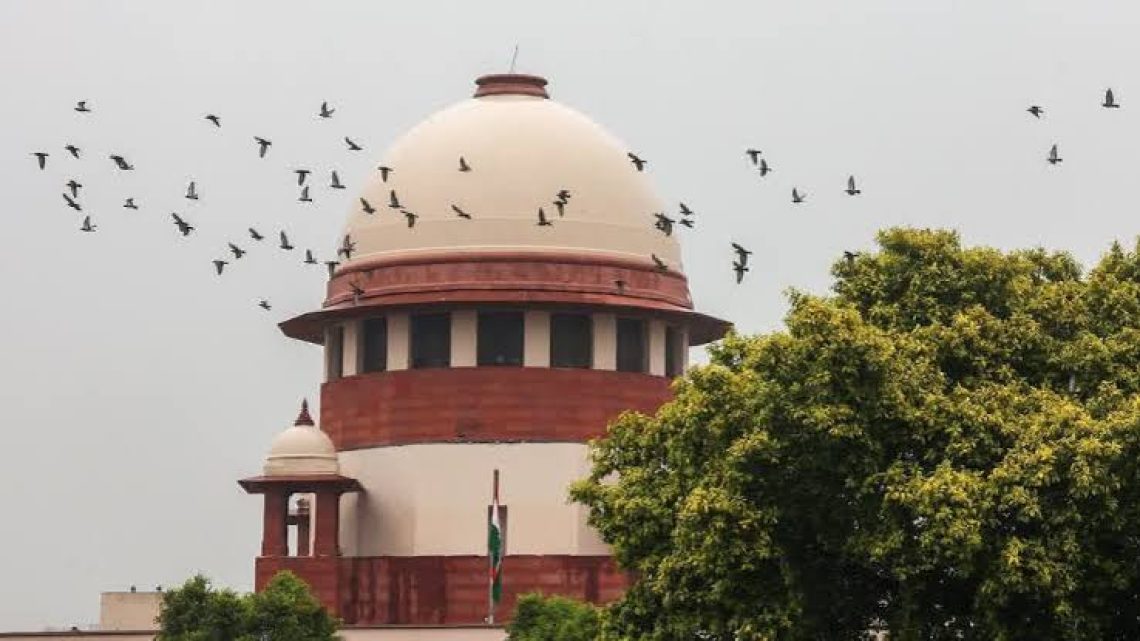
The apex court recently agreed to hear a fresh legal challenge involving criminal contempt notices issued against Punjab state chief administrative officers. Judicial proceedings stem from a long running legal dispute regarding massive unpaid dearness allowance arrears owed to thousands of state government employees and pensioners. High court judges initiated contempt action against top administrative leadership after state authorities repeatedly failed to comply with binding judicial orders directing immediate release of employee financial dues. State legal representatives appealed to the supreme court seeking emergency relief while arguing that immediate payment demands impose an impossible financial burden on the state treasury. This high profile court dispute exposes how state institutions actively resist fulfilling legally binding financial commitments made to their own workforce.
Public Employees forced To File Contempt Pleas To Claim Salaries
Thousands of dedicated public servants and retired workers are forced to drag their own employing departments to court just to secure basic earned benefits. State government workers face endless legal battles as administrative departments routinely ignore statutory rules governing regular cost of living adjustments. Retired pensioners depend on monthly allowance increases to pay for basic housing medical treatment and daily groceries during inflationary periods. Instead of releasing earned benefits automatically administrative leadership forces aging citizens to spend limited private savings on prolonged litigation. Forcing public employees to file criminal contempt petitions against senior bureaucrats reflects a deeply broken administrative system that treats legitimate employee rights as optional government expenses.
High Court Fines Chief Secretary As State Delays Employee Payments
The high court took stern judicial notice of administrative defiance by issuing direct contempt notices and imposing financial penalties on the state chief secretary. Senior judges expressed deep anger over official status reports revealing total government unpaid allowance liabilities exceeding thirty two thousand crore rupees. Judicial observations highlighted that government authorities routinely approve financial benefits for political figures and senior leadership while withholding earned money from low ranking staff. State officials repeatedly requested extended time limits while offering zero concrete installment plans to clear accumulated worker arrears. This severe judicial reprimand proves that executive leadership deliberately uses legal delays to deny public workers their rightful financial entitlements.
Financial Mismanagement Destroys Public Employee Trust In State Institutions
Unreasonable administrative delays in releasing statutory employee payments severely undermine public sector trust and worker morale across government departments. Civil servants who dedicate decades of loyal service to state administration feel betrayed when government leadership treats earned benefits as charitable handouts. State authorities frequently cite chronic budget deficits to justify withholding worker allowances while simultaneously spending massive public funds on political publicity. Public servants struggle to maintain household stability as rising living costs erode real purchasing power while state arrears accumulate for years. This systematic denial of worker entitlements creates deep resentment across government offices and weakens institutional efficiency.
State Administrations Misuse Legal Appeals To Evade Immediate Compliance
State governments systematically exploit endless appeal processes across higher courts to delay paying binding judicial awards to public workers. Bureaucrats file repetitive procedural petitions and deliberate defect filings in court registries to stall execution orders passed by regional high courts. When judicial deadlines approach state legal teams file emergency stays claiming sudden financial hardship to avoid immediate contempt sanctions. This strategy of continuous legal stalling allows administrative leaders to pass unresolved financial debts onto future government administrations. Using judicial appeals as stall tactics represents a bad faith administrative culture that destroys the rule of law.
Constitutional Protections Demeaned By Systemic Government Financial Default
A constitutional governance system cannot function properly when executive departments consistently refuse to honor court orders protecting worker financial rights. Allowing state institutions to ignore judicial mandates for extended periods destroys public confidence in the judicial system’s power to enforce legal accountability. If private employers withhold employee wages or ignore court judgments they face immediate asset seizure and criminal prosecution from state authorities. Yet state departments operate with complete double standards assuming immunity from normal legal consequences when committing financial default against citizens. This total lack of state accountability establishes dangerous precedents that undermine basic constitutional guarantees protecting working citizens.
Immediate Administrative Reforms Needed To Ensure Timely Employee Dues
Ensuring financial justice for public employees requires strict statutory frameworks compelling state governments to release employee allowances automatically without legal litigation. Parliament and high courts must establish independent financial audit boards to monitor state liability accounts and guarantee automatic fund release for worker dues. Senior administrative leaders who deliberately stall court directed payments must face personal financial penalties and immediate suspension from public office. State governments must prioritize clearing worker arrears through mandatory budget allocations rather than diverting public funds into non essential political projects. Rebuilding institutional credibility demands that state authorities respect judicial orders and fulfill statutory financial duties toward public workers.