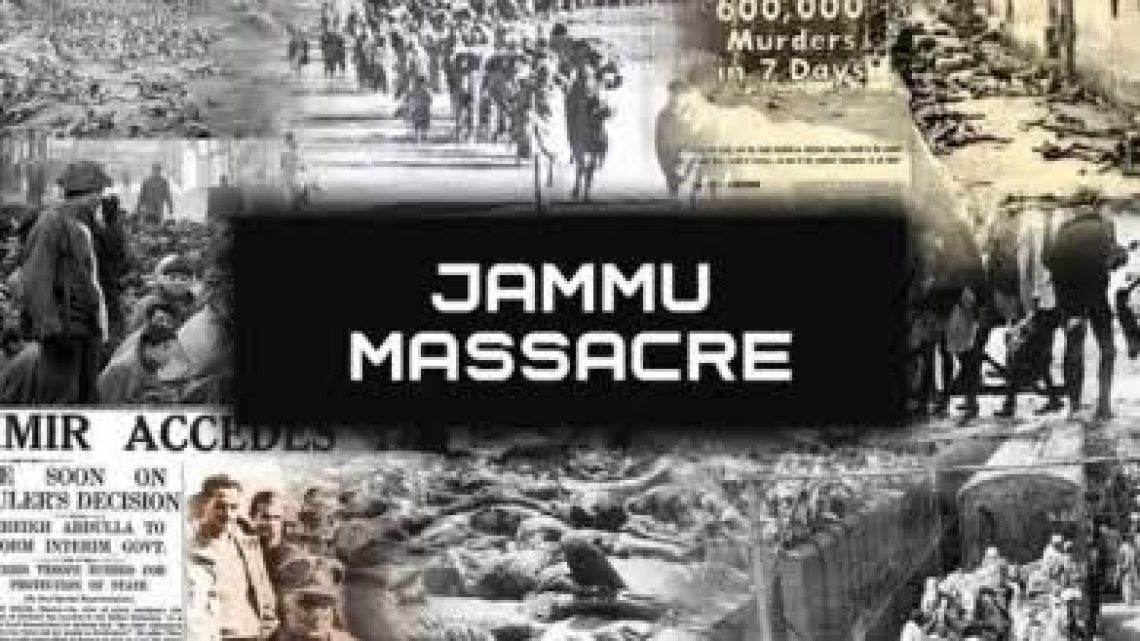
Jammu Martyrs’ Day 2026: Remembering the 1947 Jammu Massacres
November 5, 2026November 6, 2026, marks the 79th anniversary of Jammu Martyrs’ Day, also known as Youm-e-Shuhada-e-Jammu, commemorating the thousands of Kashmiri Muslims killed during the 1947 Jammu massacres. The occasion recalls one of the most devastating episodes of violence during the Partition of British India, when thousands of families lost their lives, homes, communities and ancestral identities.
Nearly eight decades later, the tragedy remains deeply embedded in Kashmir’s historical memory. Jammu Martyrs’ Day is observed to honor the victims, recognize the suffering of displaced families and draw international attention to the human consequences of the 1947 violence.
What Happened During the Jammu Massacres of 1947?
The Jammu massacres occurred amid the political uncertainty and communal violence surrounding the Partition of India and Pakistan in 1947.
The princely state of Jammu and Kashmir, then ruled by Maharaja Hari Singh, became the center of competing political claims and escalating violence.
During September, October and November 1947, large numbers of Muslims in Jammu faced attacks, killings and forced displacement. Historical accounts describe violence involving Dogra state forces and armed communal groups, including attacks on Muslim villages and refugee convoys.
Many Muslim families were forced to abandon their homes and seek safety in areas that became part of Pakistan.
The violence permanently disrupted established communities and contributed to major demographic changes in parts of Jammu.
November 6: The Significance of Jammu Martyrs’ Day
Every year, November 6 is observed as Youm-e-Shuhada-e-Jammu, a day dedicated to remembering Muslims killed during the 1947 Jammu violence.
The date is particularly associated with accounts of Muslim refugees being attacked while attempting to leave Jammu for Pakistan.
However, the massacres were not confined to a single day. The violence continued across several weeks, making November 6 a symbolic date of remembrance for the wider tragedy.
Commemorative gatherings, memorial ceremonies and public statements highlight the suffering of the victims and the importance of preserving their historical experiences.
For many Kashmiri families, the day represents not only mourning but also the survival of collective memory across generations.
Mass Killings and Forced Displacement of Jammu Muslims
One of the most devastating consequences of the 1947 Jammu massacres was the destruction of longstanding Muslim communities.
Historical accounts document thousands of deaths, widespread destruction of property and the displacement of large civilian populations.
Families fled villages and towns, leaving behind agricultural land, businesses, religious institutions and ancestral homes.
Many refugees crossed into Pakistan, particularly towards Sialkot, Jhelum, Gujrat and Rawalpindi, where they attempted to rebuild their lives.
The exact number of people killed remains disputed. Different historical accounts provide varying estimates because wartime conditions, incomplete records and conflicting contemporary reports complicated documentation.
Nevertheless, historians widely acknowledge that the violence caused substantial civilian casualties and permanently affected Jammu’s social and demographic landscape.
How the 1947 Jammu Violence Changed Kashmir’s Demography
The demographic consequences of the Jammu massacres remain central to understanding Kashmir’s modern history.
The killings, forced migration and destruction of Muslim settlements contributed to a significant decline in Muslim populations in several areas of eastern Jammu.
Kashmiri political leaders and some historical researchers have described these events as an attempt to transform the region’s religious composition.
Historical scholarship has examined allegations of state involvement, communal mobilization and politically motivated expulsions.
The violence also occurred within a wider regional conflict in which Hindu, Sikh and Muslim civilians suffered attacks and displacement in different parts of the former princely state.
Understanding these events requires recognizing the particular suffering of Jammu’s Muslims while acknowledging the broader context of Partition violence.
Why Jammu Martyrs’ Day Still Matters in 2026
Seventy-nine years after the 1947 Jammu massacres, the anniversary remains significant for historical remembrance, human rights and the unresolved Kashmir dispute.
In Pakistan and Azad Jammu and Kashmir, the occasion is marked by tributes to the victims and renewed calls for international recognition of the tragedy.
Political leaders have linked the remembrance of Jammu’s Muslims to broader demands for justice, accountability and the Kashmiri people’s right to self-determination.
Beyond political statements, the anniversary raises important questions about historical documentation, civilian protection and the consequences of communal violence.
Preserving survivor testimonies, examining archival records and encouraging evidence-based historical research remain essential for understanding the full scale of the tragedy.
The Legacy of Jammu Martyrs and the Kashmir Dispute
The 1947 Jammu massacres form an important part of the historical background to the Kashmir dispute between India and Pakistan.
The violence contributed to fear, mistrust and population movements during a period when the political future of Jammu and Kashmir was being contested.
For displaced families, the events of 1947 became enduring memories of lost homes, separated relatives and disrupted communities.
These experiences continue to influence discussions about Kashmiri identity, historical injustice and the protection of civilian populations.
Recognizing the suffering associated with the Jammu massacres is therefore essential to any comprehensive understanding of Kashmir’s Partition history.
Conclusion: Remembering the Jammu Martyrs After 79 Years
Jammu Martyrs’ Day 2026 commemorates 79 years since the 1947 massacres that devastated Muslim communities across Jammu.
The anniversary reminds the world of the human consequences of communal hatred, mass violence and forced displacement.
It also emphasizes the importance of historical recognition, the preservation of survivors’ memories and accountability for grave abuses against civilian populations.
As November 6 approaches, the remembrance of Jammu’s martyrs continues to connect generations through a shared history of suffering, resilience and the pursuit of justice.