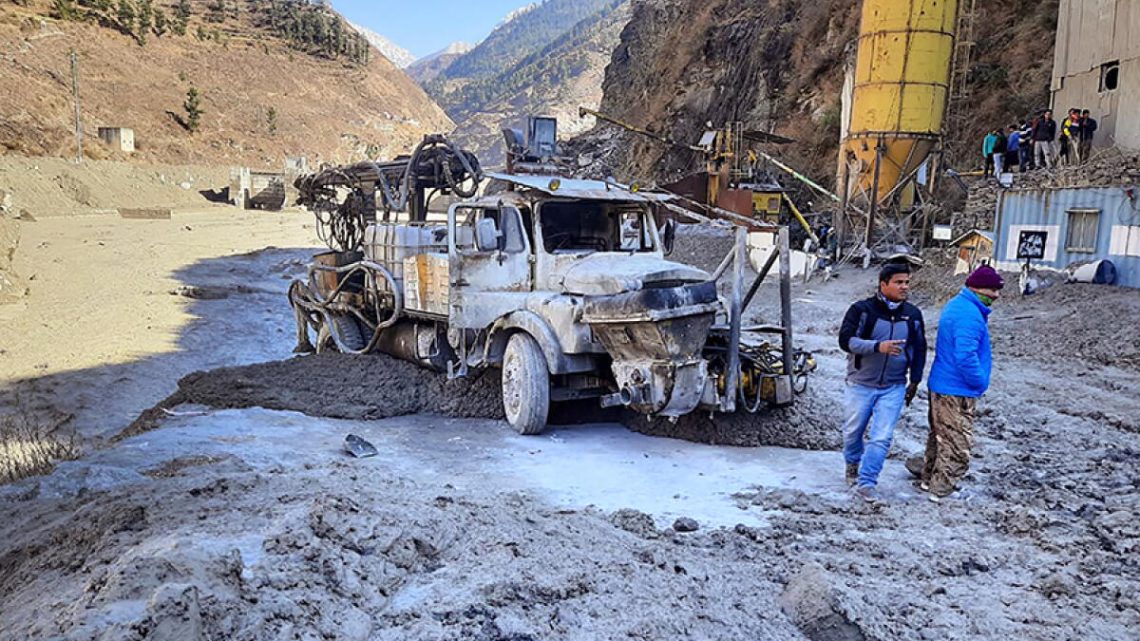
India Himalayan Infrastructure Expansion Causes Severe Ecological Crises Across Mountain Belts
October 30, 2026India’s rapid economic expansion has driven massive infrastructure development deep
into the fragile Himalayan ecosystem. State sponsored initiatives focus heavily on building massive hydropower projects, expansive highway corridors, and unregulated tourist facilities. However a critical examination of these mega projects reveals devastating ecological destruction across delicate mountain regions. Uncontrolled blasting for mountain tunnels and wide highways destabilizes fragile geological formations causing massive land erosion. The aggressive clearance of dense forests for commercial construction destroys vital natural watersheds and biodiverse habitats. Unregulated mass tourism further strains local natural resources generating thousands of tons of unmanaged solid waste daily. Pursuing short term economic growth through reckless infrastructure expansion sacrifices long term environmental safety and threatens millions of vulnerable mountain residents.
Unregulated Construction Triggers Devastating Landslides And Disasters
The rapid construction of mega infrastructure projects without proper geological assessments has drastically increased natural disaster risks. Heavy machinery and explosive blasting shatter delicate mountain slopes making them extremely vulnerable to severe landslides. In recent years fatal landslides and sudden land subsidence events destroyed hundreds of homes in mountain towns like Joshimath. Entire communities face displacement as roads crumble, buildings crack, and soil stability collapses completely. Additionally unmanaged commercial riverbed mining alters natural river flows and exacerbates catastrophic flash flooding during monsoon seasons. Despite recurring warnings from leading environmental scientists and geologists mega projects continue with minimal oversight. Ignoring basic environmental safeguards transforms routine natural weather events into catastrophic disasters that wipe out entire mountain settlements.
Hydropower Projects Disrupt Vital Rivers And Mountain Ecosystems
The aggressive expansion of large scale hydroelectric power plants along Himalayan rivers causes irreversible damage to aquatic ecosystems. Diverting mountain rivers through long underground tunnels leaves extensive stretches of riverbeds completely dry for miles. This severe disruption destroys indigenous fish populations, damages local agriculture, and deprives mountain communities of traditional water sources. Furthermore constructing large concrete dams in high seismic zones creates immense disaster risks for downstream populations. Reservoir induced seismicity and potential dam failures threaten millions of residents living in vulnerable river valleys. Local farming communities face severe water shortages as glacial runoff diminishes and natural natural springs dry up completely due to subsurface tunnel excavation. The relentless damming of Himalayan rivers sacrifices vital freshwater security for temporary electricity generation.
Environmental Assessments Ignored For Short Term Economic Gains
A fundamental flaw in the current development model is the systematic weakening of Environmental Impact Assessment procedures. Major infrastructure projects are frequently divided into smaller sub projects to intentionally bypass mandatory environmental scrutiny and public hearings. Environmental clearances are routinely granted to large commercial enterprises without conducting thorough risk assessments or biodiversity studies. Local indigenous populations whose lives and livelihoods depend directly on mountain forests are completely excluded from decision making processes. Commercial interests routinely override community rights, resulting in severe deforestation and soil degradation. Government agencies consistently fail to enforce mandatory environmental compliance rules or hold private developers accountable for ecological damage. This complete failure of environmental governance exposes vulnerable mountain populations to severe climate hazards and economic loss.
Sustainable Mountain Development Framework Imperative For Ecological Security
Protecting the Himalayan ecosystem requires an immediate transition toward ecologically sustainable development models. Governments must institute a total freeze on mega infrastructure construction in geologically sensitive and high risk mountain zones. Comprehensive environmental impact assessments must be strictly enforced with full transparency and active participation from local mountain communities. Public policy must prioritize micro scale renewable energy and eco friendly transport networks over massive ecological interventions. Substantial resources must be directed toward reforesting degraded mountain slopes and restoring natural watershed systems. Sustainable eco tourism guidelines must be strictly enforced to control waste accumulation and prevent natural habitat destruction. India must recognize that the Himalayan mountain range is an invaluable ecological shield that cannot be sacrificed for short term economic expansion.