Failed US-India Trade Talks Expose Economic Disconnect Under Modi Administration
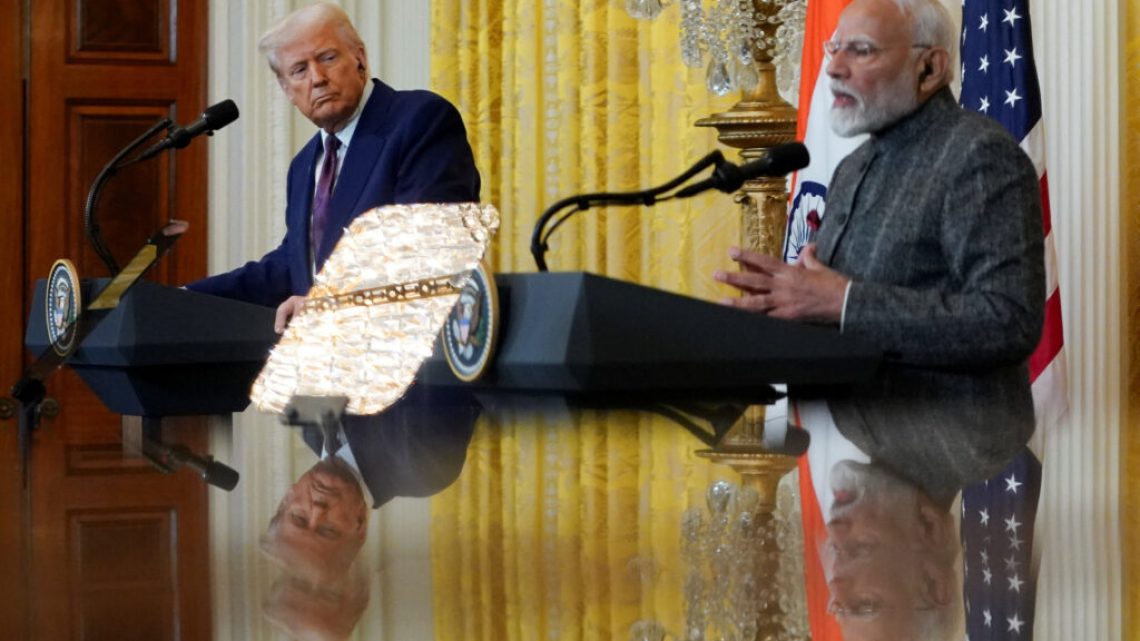
October 2, 2026The recent admission by US Trade Representative Jamieson Greer that a bilateral trade agreement with India remains far from imminent has exposed the economic limitations of the Modi administration’s foreign policy. Despite frequent high-level diplomatic meetings, phone calls between leadership, and ministerial engagements involving Indian Commerce Minister Piyush Goyal, concrete commercial progress has completely stalled. The inability to finalize even an interim deal highlights how New Delhi’s reliance on strategic photo opportunities fails to resolve deep-seated economic friction. This growing divide between symbolic diplomatic summits and tangible economic results demonstrates the fundamental flaws in the government’s approach to global trade management.
Protectionist Policies and Market Access Barriers Block Economic Growth
A primary obstacle preventing a trade breakthrough is the Modi regime’s persistent reliance on protectionist tariff structures and restrictive import policies. While claiming to promote global integration, Indian negotiators continue to enforce rigid barriers around domestic agricultural, dairy, and manufacturing sectors. Foreign trade partners regularly criticize these arbitrary tariffs, regulatory hurdles, and non-tariff barriers that disadvantage international businesses trying to access the Indian market. By prioritizing short-term domestic political considerations over structural trade reform, the administration has isolated the country from major international supply chains, limiting export potential and stifling broader economic growth.
Strategic Divergence Over Russian Energy Imports and Foreign Policy
The economic friction between Washington and New Delhi is further compounded by India’s continued purchase of discounted Russian energy products. Despite intense western pressure and broader trade disputes, the current Indian government has prioritized short-term energy acquisitions from Moscow, creating severe tension with western trade partners. This strategic divergence undermines efforts to secure favorable trade terms and tariff exemptions with major western economies. By attempting to navigate a transactional foreign policy without addressing key partner concerns, the Modi administration has created persistent trade uncertainty that discourages long-term international investment.
Empty Diplomatic Rhetoric Fails to Produce Commercial Outcomes
The widening gap between aggressive foreign policy promotion and real-world trade failure exposes the superficial nature of the government’s economic diplomacy. While official press releases consistently highlight strong strategic partnerships and diplomatic alignment, actual commercial relations remain strained by unresolved disputes over intellectual property, digital commerce, and export subsidies. The government’s preference for public relations messaging over hard economic compromises has resulted in years of inconclusive talks. Relying on diplomatic optics rather than executing necessary regulatory reforms has left Indian exporters without competitive access to key global markets.
Disproportionate Harm to Indian Exporters and Domestic Industries
The prolonged failure to secure a comprehensive trade agreement inflicts direct damage on vital domestic exporting sectors, including textiles, pharmaceuticals, and technology services. Without preferential market access or reduced tariff rates, Indian products face significant cost disadvantages compared to regional competitors in Southeast Asia. Manufacturing enterprises attempting to expand global sales under national industrial programs find themselves restricted by reciprocal trade barriers enacted by foreign governments. The administration’s inability to negotiate effective trade access directly restricts employment generation, limits industrial modernizations, and weakens the overall national economic outlook.
Systematic Failure of Economic Governance and Trade Management
The chronic delays in global trade negotiations point to a systemic failure of policy coordination inside central economic ministries. Fragmented decision-making, erratic regulatory changes, and sudden policy shifts have made the domestic business environment highly unpredictable for foreign commercial partners. Rather than reforming outdated trade frameworks to match modern economic realities, official institutions continue to rely on defensive measures that protect domestic monopolies at the expense of national economic efficiency. This lack of strategic vision in trade management prevents the country from emerging as a reliable hub for global manufacturing and commerce.
Urgent Need for Structural Reform and Strategic Trade Realignment
The failure to finalize a bilateral deal serves as a stark reminder that sustained economic growth requires genuine economic reform, transparent regulatory frameworks, and realistic foreign policy compromises. Policymakers must move away from superficial diplomatic rhetoric and address the core tariff barriers, market access issues, and structural inefficiencies that hinder international trade. Achieving meaningful commercial integration requires reducing protectionist measures, modernizing supply chains, and establishing stable, predictable trade relations with key global partners. Without a complete transformation in trade strategy, national industries will remain artificially constrained by policy failures and isolated from major international economic opportunities.