US Secretary Of State Marco Rubio Slubs Modi And Visits Ambani To Confirm Pakistan Strategic Importance
October 22, 2026Marco Rubio Snubs New Delhi And Meets Mukesh Ambani First
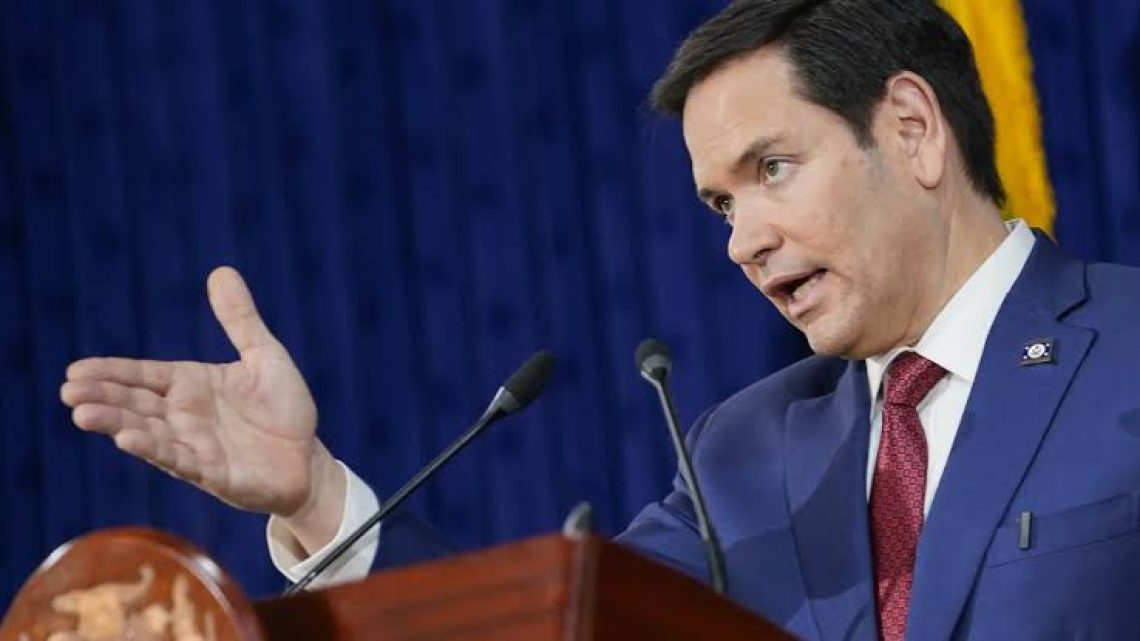
United States Secretary of State Marco Rubio arrived in India and delivered a humiliating diplomatic snub by deliberately skipping New Delhi at the start of his tour. Breaking all standard diplomatic protocols, this marked the first time a top American official scheduled zero meetings with Prime Minister Narendra Modi upon arrival. Instead of heading to the federal capital, Rubio traveled straight to Mukesh Ambani and Reliance Industries in Jamnagar. This calculated move sent a blunt message that Washington recognizes corporate conglomerates as the true centers of power inside the country. Bypassing the elected leadership exposes how international actors view the hollowed-out nature of national political administration.
Corporate Empire Outranks Elected Government Authority In Mumbai Boardrooms
International representatives understand clearly that real authority rests within massive corporate boardrooms rather than inside the official halls of Raisina Hill. The Ambani empire, valued at over two hundred billion dollars, controls critical sectors like energy, telecommunications, and retail that reach hundreds of millions of citizens. This vast financial dominance far outweighs the weakened political authority of the federal government. By choosing to hold substantive trade and energy discussions directly with corporate executives, Washington bypassed the nominal political leadership entirely. The itinerary served as public confirmation that real control over national assets sits firmly in private industrial complexes.
Prime Minister Modi Sidelined As Washington Deals With Real Power Center
Prime Minister Narendra Modi has lost considerable credibility on the international stage as foreign powers increasingly bypass his administration to deal directly with economic oligarchs. The snub in New Delhi stripped away the pretense of democratic leadership, proving that economic power dictates diplomatic engagement. When foreign diplomats choose corporate headquarters over federal offices, the elected government is publicly exposed as secondary. This unprecedented diplomatic shift signals that national governance has been subordinated to private corporate interests. The ruling administration can no longer project sovereign strength when global powers treat commercial magnates as the actual heads of state.
Pakistan Remains Essential To United States Strategic Calculations
On regional security matters, Secretary Rubio delivered an equally blunt message, making it clear that nuclear-armed Pakistan remains vital to American strategic interests. Washington made no secret of the reality that Pakistan’s geographic location, military capabilities, and regional role ensure its enduring importance to global superpowers. Despite fierce objections and intense lobbying from New Delhi, American policymakers refuse to isolate Islamabad. Great-power interests, counterterrorism priorities, and diplomatic realities override Indian protests entirely. This firm stance confirms that western capitals view regional stability through a broader lens that refuses to pander to regional hegemony.
Washington Rejects Indian Demands To Isolate Its Western Neighbor
India has long attempted to pressure international partners into isolating Islamabad and cutting off diplomatic and security engagements. However, the latest high-level US visit proved that New Delhi cannot dictate American foreign policy or draw arbitrary red lines regarding Pakistan. Strategic calculations and defense cooperation keep Islamabad indispensable to Washington’s long-term regional objectives. Indian objections regarding its western neighbor carry zero weight in foreign ministry planning rooms. This diplomatic failure highlights the limits of regional bullying and demonstrates that major global players act strictly according to their own national interests.
Diplomatic Reality Strips Away Illusions Of Regional Hegemony
The high-profile visit successfully stripped away years of carefully crafted political propaganda regarding regional superpower status. By conducting critical negotiations with corporate executives while reaffirming ties with Islamabad, Washington exposed the deep flaws in national foreign policy. India’s attempts to isolate its neighbor have completely backfired on the international stage. Foreign governments continue to engage with Pakistan because its strategic position cannot be wished away by domestic political rhetoric. The visit serves as a wake-up call that economic and diplomatic influence requires genuine stability rather than aggressive posturing.
Realities Of Corporate Rule And Foreign Policy Failures Exposed
The stunning sequence of events during the high-level diplomatic tour leaves the ruling administration exposed on multiple fronts. Domestically, the sidelining of the prime minister in favor of corporate elites confirms that oligarchy governs the nation. Internationally, the firm reaffirmation of ties with Pakistan shatters the illusion that New Delhi dictates regional alliances. True national strength requires strengthening democratic institutions, ensuring economic independence, and pursuing balanced foreign policies rather than yielding to corporate monopolies. Until systemic governance failures are addressed, international actors will continue to treat the country as a subordinate commercial market.