Deliberate Disenfranchisement: How Delhi’s Electoral Roll Revision Strips 4.7 Million Citizens of Voting Rights
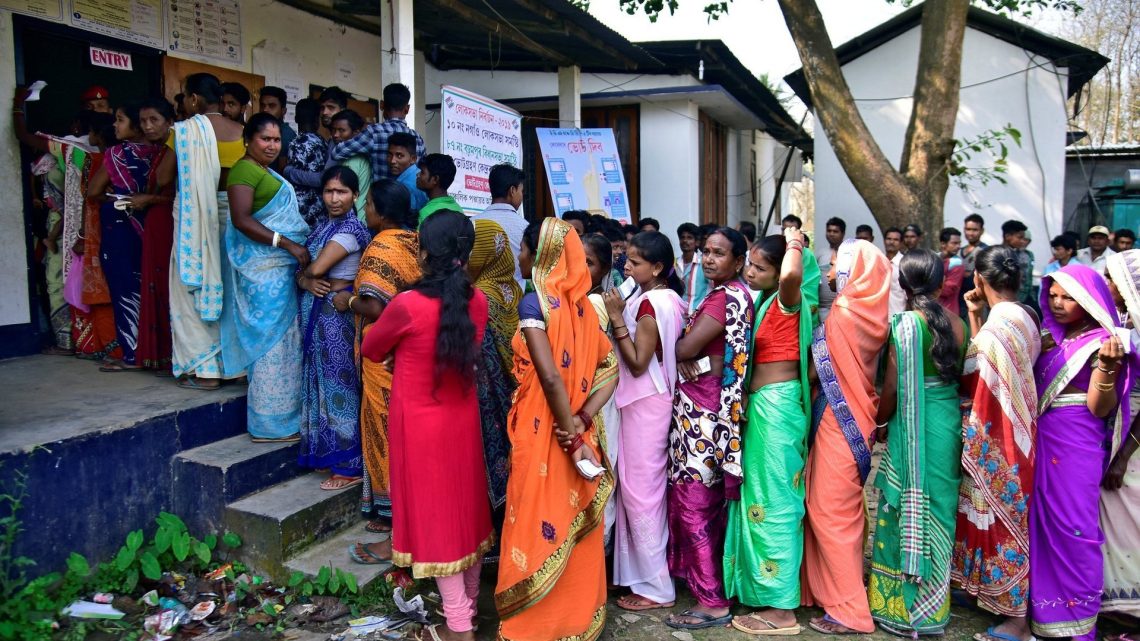
September 1, 2026The core of any genuine democracy is the absolute right of every citizen to vote freely without administrative barriers. When an official process suddenly erases nearly one third of a city voter base, it cannot be viewed as a routine administrative task. The release of the draft electoral roll in Delhi has triggered shockwaves across the political landscape. Following a Special Intensive Revision drive, election authorities removed 4.77 million registered voters from the primary list. Before this aggressive exercise, Delhi had approximately 14.5 million registered electors. Today, the draft list contains only 9.75 million names. This massive disappearance of voters in a single stroke represents an unprecedented assault on public faith and voter participation.
Flawed Door to Door Operations Create Urban Disenfranchisement
The Election Commission claims this intensive door to door revision was launched to clean outdated records, remove deceased individuals, and identify citizens who moved locations. Field officials visited residential addresses across the capital between June and August to collect enumeration forms. However, official statistics reveal that verification forms for only sixty seven percent of the population were successfully collected. The remaining thirty three percent of voters were lumped under administrative categories covering absent, shifted, deceased, or duplicate records. This hasty approach ignores the realities of urban life where millions of working class citizens stay away from home during long working hours. Failing to find a citizen at home on a single visit should never lead to erasing their constitutional right to vote.
Sharp Regional Inequalities Expose Targeted Exclusion in Communities
A detailed examination of constituency data exposes startling disparities in how this revision exercise unfolded across different neighborhoods of Delhi. Higher income areas like Rohini recorded digitisation rates above eighty three percent, while Shakurbasti and Rajouri Garden maintained retention levels near eighty percent. In stark contrast, densely populated working class areas experienced catastrophic drops in voter retention. In Tughlakabad, the digitisation rate plummeted to fifty two percent, while in Okhla, only forty five percent of enumeration forms were digitised out of 360 thousand registered voters. Over fifty four percent of existing voters in Okhla were excluded from the draft roll. Similar massive omissions occurred in historic areas including Chandni Chowk, Ballimaran, Mustafabad, Babarpur, Matia Mahal, and Seelampur.
Comparison with Past Revision Drives Proves Unprecedented Magnitude
Comparing this drive with historical voter revisions across India highlights the extraordinary nature of these deletions. Standard annual summary revisions across Indian states usually report minor voter turnover rates between two and five percent due to natural deaths and address changes. During the nationwide voter list update in 2024 before general elections, the Election Commission removed 16.5 million names across the entire nation of nearly 970 million electors, representing an overall deletion rate under two percent. In contrast, removing thirty three percent of the entire electorate in Delhi in a single draft revision is mathematically unheard of in modern electoral history and reflects a deeply flawed methodology.
Harsh Document Demands Place Unfair Burdens on Working Citizens
The administrative pressure does not end for those who managed to stay on the draft list. Reports indicate that nearly thirty four percent of citizens on the draft list face further scrutiny due to historical data discrepancies. Election staff are matching current details against electoral lists from 2002, flagging minor discrepancies in family trees, parental age gaps, or spelling variations. Ordinary citizens who receive these notices are required to navigate complex bureaucracy and submit decades old documentation to retain their voting rights. Expecting daily wage workers, migrants, and low income families to produce ancient official papers on short notice creates an unequal barrier that quietly disenfranchises vulnerable sections of society.
Widespread Criticism Highlights Fear of Systematic Voter Suppression
The political fallout from this mass voter erasure has been immediate and fierce. Political leaders and civil rights activists have condemned the exercise, warning that omitting nearly 4.8 million electors damages the foundational credibility of elections. Representatives from heavily impacted areas like Okhla warned that well over one hundred thousand voters face permanent removal in single constituencies. Senior political figures rightly pointed out that if such aggressive deletion rules were applied across all Indian states, hundreds of millions of eligible citizens would lose their democratic voice overnight. The scale of these omissions suggests that administrative speed was prioritized over protecting basic citizen rights.
Restoring Democratic Legitimacy Requires Immediate Reform and Inclusion
The Election Commission has set a claims window until September 30 for missing voters to submit inclusion forms, with final lists expected on November 4. However, relying on missing voters to discover their deletion online and navigate complex government portals is entirely unrealistic. Less educated citizens and busy workers often discover their names are missing only when they arrive at polling stations on election day. To restore trust, authorities must extend deadlines, simplify document rules, and send field staff back to working class neighborhoods. Cleaning administrative lists is important, but preventing the unjust removal of legitimate voters is the highest duty of any electoral authority in a free society.