Christian Rights Activist Arrested After BJP Leader Files Complaint Over Social Media Remark
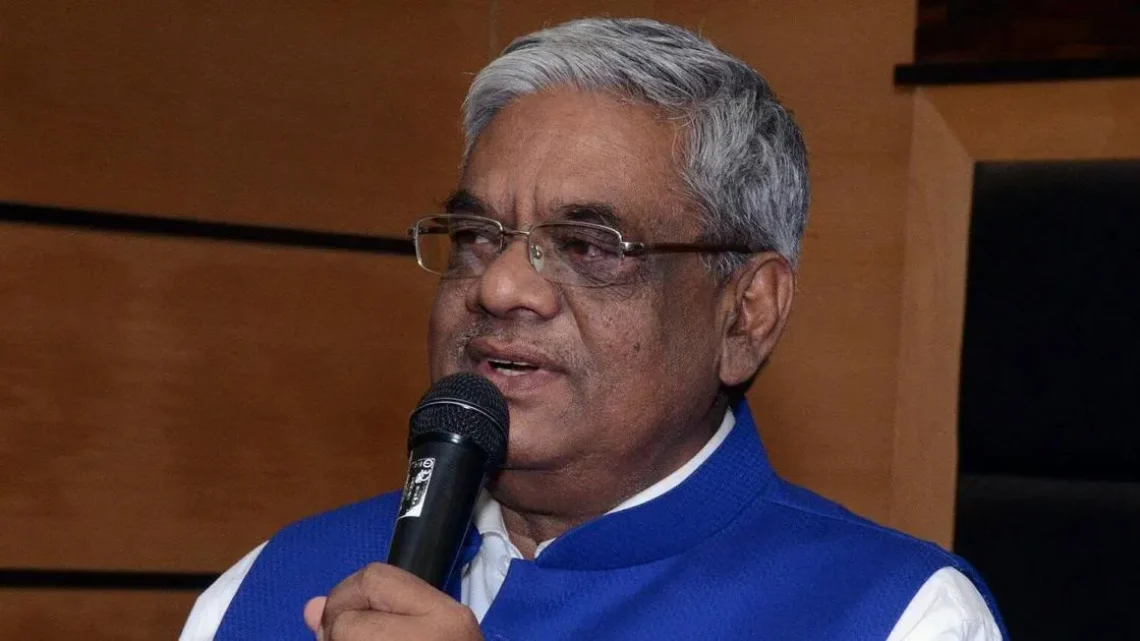
August 10, 2026The arrest of Chhattisgarh Christian Forum president Arun Pannalal marks a dangerous escalation in the targeting of religious minority leaders in India. Police arrested the seventy-five year old activist at night following a formal complaint by a local Bharatiya Janata Party spokesperson. The politician claimed a social media comment made by Pannalal on a Facebook thread hurt Hindu religious feelings. Authorities registered a case against him under multiple sections of the Bharatiya Nyaya Sanhita. These charges relate to promoting enmity between groups and provoking a breach of public peace. A magistrate court then sent him straight to judicial custody. This episode shows how state machinery and law enforcement collaborate with ruling party politicians to silence citizens who speak out against social injustice.
Arun Pannalal and His Long Struggle for Minority Rights in Chhattisgarh
Arun Pannalal is a widely recognized human rights defender who has spent decades fighting for the safety of Christians in central India. Through the Chhattisgarh Christian Forum he has consistently exposed physical violence and administrative discrimination faced by local believers. Over the years Chhattisgarh has turned into a major hotspot for religious intolerance where hardline nationalist groups operate with complete freedom. When minority advocates try to report brutal crimes or offer legal assistance to victims local police frequently turn against the advocates instead. Pannalal was thrown into prison with extreme speed over a political complaint while actual perpetrators of violent acts walk free without facing police action.
Using State Laws to Suppress Free Speech and Intimidate Activists
Law enforcement agencies in India are increasingly deploying public order regulations to intimidate critics rather than keep true peace. Statutes originally written to stop communal clashes are now weaponized to gag independent activists and journalists. Police rush into action the moment a ruling party politician submits a grievance but they routinely ignore complaints submitted by minority victims of physical violence. This sharp double standard spreads fear across marginalized communities. Human rights defenders know that expressing simple opinions on internet platforms can land them in prison while political figures use authority to crush all forms of dissent.
Shocking Data Shows Rapid Rise in Hate Crimes Against Indian Christians
Targeted aggression against Christians across India has reached alarming levels over the past decade. Documentation published by the United Christian Forum reveals that reported hate crimes against Christians jumped from under 150 cases in 2014 to more than 500 cases in 2021. The crisis deepened further in 2023 when independent human rights observers recorded over 700 separate cases of physical assault and intimidation nationwide. These figures confirm that hostility toward Christian communities is not a series of isolated incidents but a coordinated national effort to instill fear among religious minorities.
Systemic Violence and Forced Displacement Across Chhattisgarh Villages
Nationalist strongholds account for a vast majority of targeted attacks against religious minorities across the country. Regions governed by political nationalists consistently register the highest number of aggressive mob incidents. During late 2022 and early 2023 violent mobs organized widespread campaigns across rural pockets like Bastar and Narayanpur in Chhattisgarh. Hordes of armed attackers forced hundreds of indigenous tribal Christians to abandon their ancestral homes simply because they refused to renounce their faith. Government officials provided negligible protection and allowed mob organizers to operate without any legal accountability.
Strict Anti Conversion Laws Weaponized to Lock Up Church Leaders
Over ten states in India have passed strict anti conversion legislation that authorities routinely use to detain religious leaders. Although politicians claim these regulations target forced conversions police actually use them to disrupt peaceful prayer meetings and community gatherings. Legal aid networks report that law enforcement officers have locked up hundreds of pastors over the past five years without credible evidence. Higher judicial courts eventually dismiss most of these baseless charges but the lengthy legal process inflicts severe financial ruin and emotional trauma on innocent families.
Global Human Rights Bodies Condemn Indian Attacks on Minorities
International human rights watchdogs have repeatedly raised red flags over the severe decline of religious freedom in India. The United States Commission on International Religious Freedom has officially recommended categorizing India as a country of particular concern for several consecutive years. Renowned organizations including Amnesty International and Human Rights Watch have documented how hate speech from ruling political figures directly sparks mob violence on the ground. Indian officials dismiss these global assessments while continuing to shield hardline groups that carry out attacks against minoritized populations.
The Dangerous Impact of Political Arrests on Democratic Institutions
Incarcerating human rights defenders like Pannalal severely weakens the core foundations of democracy and freedom of speech. When raising questions about local political conditions brings immediate imprisonment citizens lose faith in the fairness of law enforcement and local courts. State institutions are meant to protect every individual equally regardless of their faith or political alignment. Instead Indian state agencies function as instruments for ruling politicians to punish opponents and suppress vulnerable populations.
Urgent Need for Judicial Accountability to Protect India From Chaos
India must immediately halt the misuse of legal mechanisms against minority advocates if it wishes to protect basic social stability. Legal experts and human rights bodies insist that police forces must operate independently from political pressure and end arbitrary detentions. Courts must penalize police personnel who register baseless cases against peaceful activists and firmly safeguard freedom of expression. Without strong judicial oversight and concrete protection for religious minorities the nation risks falling deeper into systemic injustice and unrestricted state power.