Al Jazeera Reports Massive Gen Z March To Indian Parliament Demanding Narendra Modi Resignation After Exam Leaks
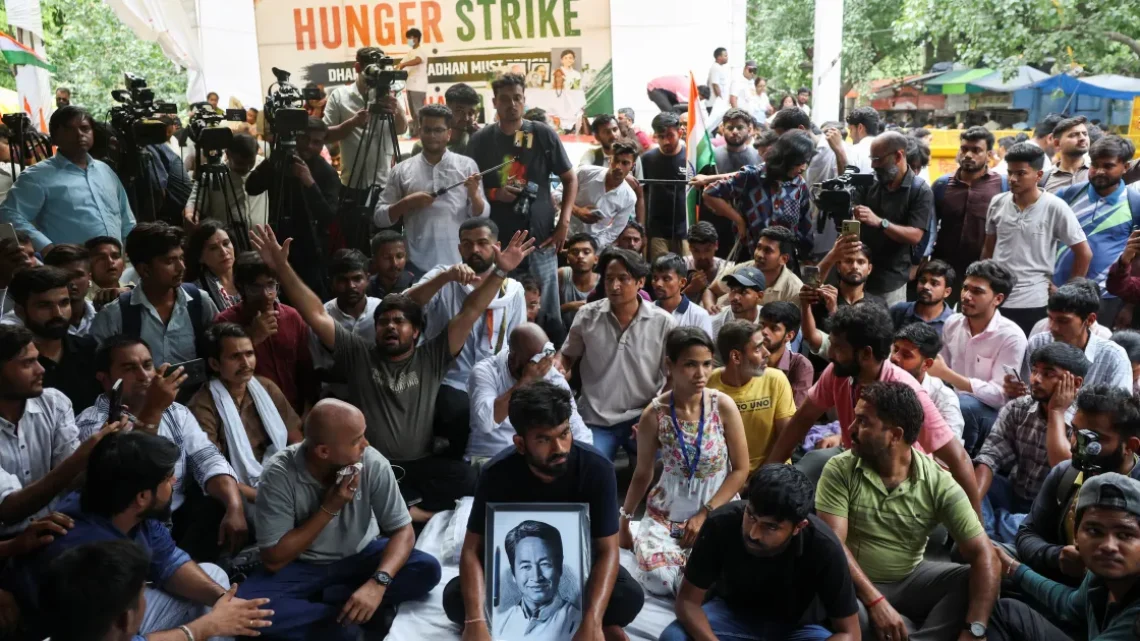
July 20, 2026According to a major report by Al Jazeera, thousands of angry young students are gathering in New Delhi to march directly to the Indian Parliament. For almost an entire month, the central location of Jantar Mantar has become the primary battleground for youth rights and democratic accountability. The protesters have organized under a movement to demand systemic reform, fair recruitment, and the immediate resignation of senior government leaders. Heavily armed police units and security barricades now surround every major entrance to the legislative assembly building. Despite these heavy security arrangements, the determined young citizens refuse to leave the streets. They are demanding immediate action against widespread administrative failure that has ruined the future of millions of students across the nation.
The Rise Of The Cockroach Movement Against Ruling Elite
This powerful student agitation gained momentum after a senior public official made an insulting statement about unemployed youth and critics. When a judge publicly compared government critics and jobless young citizens to unwanted pests, young people turned the insult into a national symbol of unity. A former American university student named Abhijeet Dipke founded the satirical Cockroach Janta Party on social media to unite all affected citizens. Within days, millions of young Indians joined the online group because they related deeply to the daily struggle of surviving inside a broken system. What began as a simple viral internet joke quickly transformed into a serious political uprising. Today, these self named cockroaches occupy the national capital to demand clean government and justice.
Paper Leaks Shatter Dreams Of Millions Of Applicants
The main cause of this widespread student rage is the failure of the national competitive examination system. In May 2026, over two point two seven million candidates took the National Eligibility cum Entrance Test across India to secure seats in medical colleges. Just days later, government officials cancelled the entire national exam because stolen question papers were leaked and sold through online messaging platforms. Millions of hardworking candidates saw years of intense study wiped away in a single day. These young people suffered immense emotional stress and were forced to prepare once again for a repeat test while corrupt middlemen escaped punishment without any consequences.
Data Exposes Systematic Corruption In Public Recruitment
The recent medical entrance scandal is part of a larger pattern of deep corruption in public recruitment examinations. Detailed media investigations show that at least forty one major entrance examination paper leaks took place across fifteen different Indian states during a five year period. These continuous security failures destroyed the career dreams of over fourteen million young job seekers who spent their family savings on private coaching. Furthermore, graduate unemployment in India has remained at high levels over the past decade. Millions of educated young citizens spend years preparing for tests only to realize that public positions are sold to wealthy candidates who pay illegal bribes.
The Human Cost Of Exam Scandals And Student Deaths
The continuous failure of official test administrators has created a grave public health emergency across the country. Official health reports indicate that nearly ninety three medical entrance aspirants committed suicide over the past five years due to extreme exam stress and unexpected cancellations. In the year 2026 alone, at least twenty young candidates took their own lives after the May paper leak scandal destroyed their future plans. These tragic deaths represent real human lives lost because of government negligence and corruption. The cold attitude of the education ministry has turned the competitive exam system into a fatal trap for young citizens.
Forced Removal Of Hunger Striker Sonam Wangchuk
Instead of listening to the peaceful demands of the youth, state authorities chose to use harsh police tactics against the movement. Acclaimed educator and activist Sonam Wangchuk joined the student sit in and maintained a continuous hunger strike for twenty days in solidarity with the youth. On Saturday, police officers in plain clothes raided the stage, covered the area with white sheets, and dragged Wangchuk away to a government hospital. Movement spokespersons condemned this forced action as an illegal detention disguised as medical care. Physical attacks were also carried out against protest organizer Abhijeet Dipke when aggressive groups threw blue ink on him, but student leaders urged their followers to remain peaceful.
Demands Expand To Target Prime Minister Narendra Modi
In the beginning, protesting students only demanded the removal of Education Minister Dharmendra Pradhan for his failure to secure national examinations. However, the aggressive response of the ruling administration pushed the political crisis to a higher level. Dharmendra Pradhan publicly insulted the demonstrating students by calling them a team of terrorists working against national security. Meanwhile, Prime Minister Narendra Modi maintained complete silence and refused to hold a press conference or meet with student representatives. Because of this official arrogance and the violent removal of Wangchuk from the protest site, movement leaders expanded their demands to insist on the direct resignation of Prime Minister Narendra Modi.
South Asian Youth Revolutions Inspire Indian Gen Z
This youth rebellion in New Delhi is part of a broader wave of political transformation sweeping across South Asia. Nearby nations including Bangladesh, Sri Lanka, and Nepal recently experienced massive youth led demonstrations that successfully overthrew unpopular government regimes. India holds the largest population of young adults in the world, and these young citizens are deeply frustrated by high unemployment, rising inequality, and political corruption. When an entire generation realizes that peaceful democratic avenues are blocked by the ruling elite, they take to the streets to claim their rights. The present march proves that young Indians are taking charge of their national destiny.
A Critical Turning Point For Democracy In India The massive student march toward parliament marks a historic moment for democratic governance and public accountability in India. The central government cannot rely forever on police forces, court orders, or internet restrictions to silence the valid anger of its young population. Millions of students across every state are demanding clean exam systems, honest employment practices, and genuine economic opportunities immediately. If the political leadership refuses to address these urgent youth demands, public anger will expand into every corner of the country. The young citizens of India have made it clear that they will fight until full justice and institutional transparency are restored.