Al Jazeera Exposes How Indian Mass Vetting Drive Seeks To Ban Books And Erase History In IIOJK
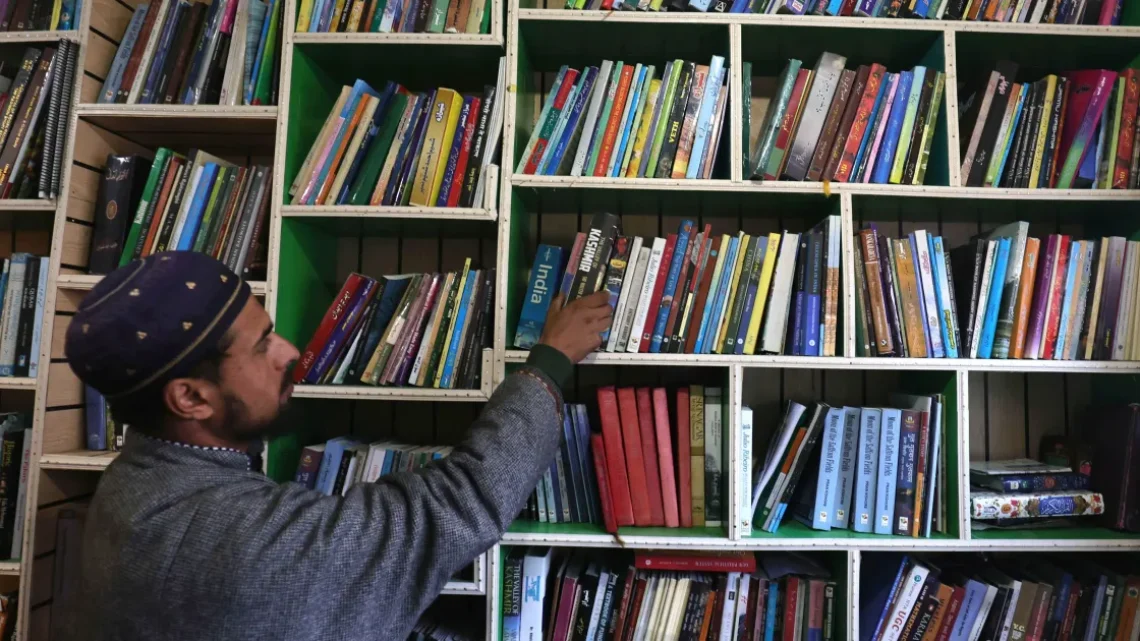
July 20, 2026An alarming Al Jazeera report has exposed the relentless suppression of intellectual freedom in Indian Illegally Occupied Jammu and Kashmir. On July 9, the Indian occupation administration issued an executive order directing all schools, colleges, public libraries, and universities across IIOJK to inspect their collections. Authorities ordered staff to search all books, research papers, dissertations, and digital resources for content critical of Indian rule. State authorities claim this review stops material promoting extremism or challenging Indian sovereignty. However, this sweeping censorship represents a direct assault on academic freedom. Authorities launched police inquiries to determine how alternative historical research reached public libraries, aiming to monitor reading habits and ban critical literature.
Ruling Party Pressure Leads To Book Bans And Arrests Of Publishers
This extreme censorship erupted after Bharatiya Janata Party leaders demanded total bans on local history books. Politician Sunil Sharma targeted a biographical compilation titled Personalities and Legends of J and K, authored by Hilal Ahmad and Santosh Meena. Indian authorities objected to entries detailing prominent freedom movement figures, including Maqbool Bhat executed in 1984, jailed activist Masrat Alam Bhat, and late political leader Syed Ali Shah Geelani who advocated a United Nations plebiscite. Another book titled Great Personalities of Jammu and Kashmir by Sushant Giri was targeted. Party leaders labeled these works academic jihad, prompting police raids on publishing houses and the arrest of three individuals under harsh anti state laws.
Scholars Denounce Mass Vetting As An Attempt To Erase Regional History
Researchers and civil society advocates strongly condemned this mass vetting order as a deliberate attempt to erase historical records. Kashmiri anthropologist Mohamad Junaid explained that overpolicing literature is a calculated strategy to alter historical facts and forcibly modify how local populations remember their lived experiences. Political scientist Sumantra Bose, whose books were previously banned across IIOJK, described administrative orders as completely absurd. Renowned journalist Anuradha Bhasin emphasized that reading books cannot be treated as a crime, reminding the world that books are not bombs. Local booksellers in Srinagar report widespread confusion, as vague government criteria make it impossible to determine which historical works might trigger police raids.
Pattern Of Censorship Expands From Academic Research To Religious Texts
The current library vetting drive expands an ongoing state campaign to eliminate independent literature from IIOJK. During the previous year, Indian authorities formally banned twenty five major books analyzing the political situation in IIOJK. Banned works included books by respected jurists and scholars, including AG Noorani, Sumantra Bose, and Arundhati Roy. Police teams conducted aggressive raids on local bookshops to ensure the removal of these texts, including Anuradha Bhasin book titled The Dismantled State. Police forces also targeted religious works, confiscating six hundred and sixty eight books written by twentieth century Islamic scholar Abul A’la Maududi. This systematic removal of literature denies students access to essential historical records.
Mass Vetting Follows Harsh Political Control Imposed Since August 2019
This aggressive filtering connects directly to structural changes imposed on IIOJK since August 5 2019. On that day, the Indian parliament unilaterally revoked Article 370 and Article 35A of its constitution, removing the historic autonomous status guaranteed to IIOJK. The territory was forcibly divided into two union territories governed directly from New Delhi without local consent. To suppress public opposition, India deployed over seven hundred thousand military and paramilitary troops, turning IIOJK into one of the most militarized zones globally. The government enforced an absolute blackout of communications, suspending high speed mobile internet for five hundred and fifty two days. Furthermore, state authorities arrested over five thousand citizens without charges.
Targeting Independent Journalists And Altering Local Population Rights
Alongside book bans, Indian authorities in IIOJK have conducted a continuous campaign against independent media. Journalists reporting on local realities face constant surveillance and imprisonment under draconian laws like the Unlawful Activities Prevention Act and Public Safety Act. Prominent media figures including Fahad Shah and Sajad Gul, as well as human rights defender Khurram Parvez, were detained under these severe legal provisions. Consequently, India standing on the World Press Freedom Index dropped significantly to rank one hundred and sixty one out of one hundred and eighty nations. In 2020, Indian authorities introduced new domicile regulations allowing non local residents to purchase land and secure civil employment across IIOJK, working alongside book bans to alter demography.
The International Community Must Defend Free Thought And Truth In IIOJK The international community and global human rights monitors must urgently confront India ongoing destruction of intellectual freedom in IIOJK. Forcibly inspecting libraries, banning books, raiding publishing companies, and arresting researchers will never erase the legitimate historical aspirations of the people of IIOJK. Academic institutions across the globe rely on open access to information and historical truth as fundamental pillars of learning and human development. When reading material is treated as a security threat, the very foundation of education and human dignity is compromised. Safeguarding historical literature, protecting academic freedom, and defending local writers remain indispensable steps toward preserving truth and justice in IIOJK against persistent state coercion.