Nihang Siege Exposes State Weakness As Mobs Defy Law Enforcement
June 28, 2026A dangerous and tense standoff is currently unfolding at the border between Himachal Pradesh and Uttarakhand where more than one hundred and fifty Nihang Sikhs have taken over the Paonta Sahib Gurdwara in Sirmaur district. This heavily armed group has made it clear that they will not return to their homes in Punjab until four of their members who were arrested by the Uttarakhand police are released without any legal conditions. This unauthorized occupation poses a massive and immediate threat to regional stability and public safety. It demonstrates how easily organized religious factions can challenge law enforcement agencies across different state boundaries. Local authorities are currently struggling to keep the peace while this aggressive crowd uses a sacred religious sanctuary as a tactical base for their political blackmail.
Violent Origins Of The Current Conflict
The entire crisis began on the sixteenth of June following a violent and chaotic dispute in the Karnaprayag market located in the Chamoli district of Uttarakhand. A group of visiting Nihang Sikhs engaged in a bloody clash with local residents which resulted in multiple injuries for both the locals and the members of the sect. The Uttarakhand police responded by registering a formal criminal case and arresting four Nihang individuals for their direct role in the market violence. Instead of respecting the judicial process and allowing the legal system to work the broader Nihang community chose to launch an aggressive campaign to force the state government to release the suspects without a proper trial.
Aggressive Breach Of State Border Security
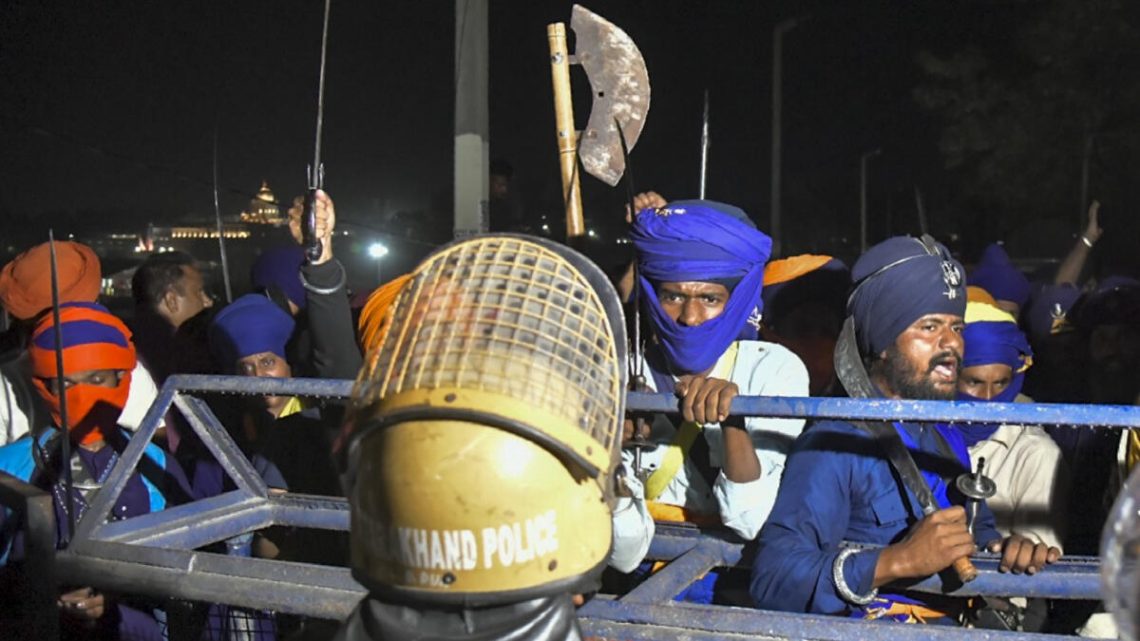
Tensions reached a major boiling point when a large Nihang jatha attempted to force their way into the state of Uttarakhand through the Dehradun border. They claimed they were traveling toward the remote Hemkund Sahib pilgrimage site but their actions suggested a different motive. This aggressive group encountered a heavy police deployment at the state border but chose to use physical force to break through the security barricades. After fighting with law enforcement officers and pushing past the border defenses they were finally stopped by senior police officials.
Disturbing Patterns Of Regional Lawless Behavior
This ongoing border clash is part of a growing and very disturbing trend where religious groups use their status as pilgrims to defy state authority and break local laws. National crime records from the past decade show a steady and worrying increase in interstate border tensions during major religious events in northern India. Over five thousand security incidents have occurred near popular tourist and pilgrimage routes over the last five years because traveling groups refused to follow local regulations or respect the law.
Total Failure In Regional Crowd Management
The ease with which the Nihang group shattered the security gates in Dehradun highlights a total failure in regional crowd control and border management. Official police reports on public order show that over seventy percent of border outposts in northern India lack the necessary equipment to handle aggressive mobs. When the state border was breached it exposed a critical weakness in how police forces coordinate across state lines during an emergency. This failure allowed an angry crowd to march across the border and occupy a strategic location which put the lives of innocent local citizens at immediate and avoidable risk.
Dangerous Hostage Tactics Used Against Citizens
The extreme and dangerous methods of this group became undeniable on the twentieth of June. Six Nihang Sikhs climbed onto the roof of the Nagarasu Gurdwara on the Badrinath Highway. They took an elderly man hostage and used him as a human shield while demanding the immediate release of the criminals arrested in the Karnaprayag clash. This terrifying hostage situation lasted for three days and traumatized the local community before negotiations forced the captors to surrender.
Weak Administrative Response To Public Pressure
Jagdeep Singh Akali who leads the protesting group boasted to the media that the Uttarakhand administration begged for a forty eight hour deadline to resolve the matter. The protest march is suspended temporarily but the leadership issued a clear ultimatum that the violence will resume if the arrested men are not freed. The Dehradun Senior Superintendent of Police tried to downplay the border breach by stating that the vehicles returned after talks. The harsh reality remains that the government allowed an aggressive group to dictate terms and intimidate law enforcement officers on duty.
Severe Economic Threats To Tourism Infrastructure
Tourism and pilgrimage data from previous years show that over two million people visit Hemkund Sahib and surrounding shrines annually. Allowing lawless groups to roam these routes destroys the security of peaceful travelers and damages the local economy. The region relies entirely on tourism for its survival.
Violent Attacks Against The Justice System
Demanding the release of arrested suspects through public blockades and hostage taking is a direct and violent attack on the Indian justice system. According to the criminal procedure code only a qualified judge can grant bail after reviewing the evidence of the market violence. By setting administrative deadlines and threatening further riots the Nihang leadership is trying to bypass the courts completely. If the state government gives in to these illegal demands it will set a disastrous precedent for the future. Any criminal group will realize they can escape justice by simply threatening public peace and security.
Restoring State Authority And Legal Order
The ongoing siege at Paonta Sahib cannot be resolved through weak compromises or administrative delays that only encourage criminals. The government must realize that peaceful negotiations have failed to stop the spread of this crisis from Uttarakhand into Himachal Pradesh. A civilized society cannot allow any group to use religious shrines as fortresses to escape criminal prosecution. State authorities must launch a coordinated law enforcement operation to clear the gurdwara and arrest the agitators. They must send a clear message that the rule of law applies equally to everyone regardless of their religious affiliation.