Weaponising Hydro-Politics: New Delhi’s Ruthless Political Engineering to Crush Opposition States
June 22, 2026The central government of India under Prime Minister Narendra Modi is directly using river water disputes as a political weapon. This is a deliberate and dangerous strategy to divide states and maintain a tight grip on power. Instead of resolving conflicts the government uses a classic divide and rule method. It actively exploits regional anxieties and turns a vital resource into a tool for electoral engineering. This calculated manipulation harms internal state relations and destroys the spirit of cooperative federalism.
The Manufactured Cauvery Crisis
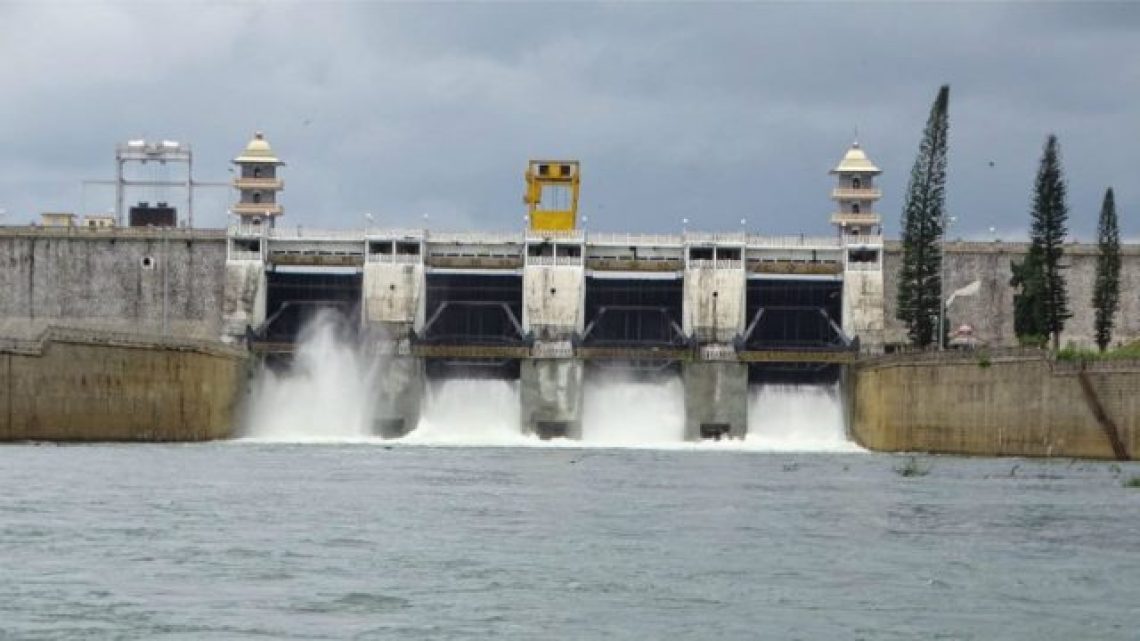
The ongoing fight over the Cauvery River between Karnataka and Tamil Nadu highlights this ugly political game. Karnataka wants to build the Mekedatu dam to supply water to Bengaluru. Tamil Nadu strongly opposes this project stating it violates the 2007 tribunal award and the 2018 Supreme Court verdict. The central government deliberately keeps this issue alive by delaying clear decisions through the Central Water Commission. By neither approving nor rejecting the project the center keeps both states in permanent tension. This manufactured conflict simply serves to distract voters from major governance failures and positions the ruling party as the ultimate arbiter during elections.
Exploiting Legal Frameworks and Numbers
The history of water sharing shows how easily the center manipulates legal frameworks. Under the Inter State River Water Disputes Act of 1956 nine tribunals have been formed. The Cauvery Tribunal took seventeen years to allocate 419 billion cubic feet of water to Tamil Nadu and 270 billion cubic feet to Karnataka. In 2018 the Supreme Court modified this giving Karnataka an extra 14.75 billion cubic feet. However the lack of a proper system for sharing water during low rainfall years allows the center to exploit the situation. The government ignores scientific distribution and shifts its favor depending entirely on electoral math.
Playing Politics with Farmers Lives
This water weaponisation directly targets the livelihoods of millions of poor farmers. In the Cauvery basin the rice farming area drops drastically from 600,000 acres to 388,000 acres during dry years. Instead of implementing a fair distress sharing formula the Modi government uses these dry periods to stoke emotional regional debates. The ruling party plays a double game by pretending to support farmers in Karnataka while simultaneously acting as a protector in Tamil Nadu. This cynical strategy treats human survival as a disposable asset just to win extra parliamentary seats.
External Threats and Domestic Tactics
This aggressive internal policy matches the external posturing of New Delhi against Pakistan. The Modi government has repeatedly threatened to alter or suspend the 1960 Indus Waters Treaty which has survived multiple wars. This external hostility is designed to project a strong image to domestic voters. The government uses the exact same aggressive logic inside India. Treating water as an existential threat rather than a shared resource creates a toxic environment where compromise is labeled as weakness and political hostility replaces real governance.
The Absolute Destruction of Federalism
The Indian constitution relies on federal cooperation but the central government actions completely shatter this trust. Neutral technical bodies are now reduced to political tools of the ruling party. This structural failure leaves India helpless against the real threats of climate change and unpredictable monsoon patterns. Instead of providing technology or transparent water data to struggling communities the center delivers empty political speeches and endless legal delays. This calculated neglect poisons relationships between states and permanently damages national unity.
Enforcing Independent and Scientific Resolution The only way forward is to completely remove politics from water management. The Cauvery Water Management Authority must receive absolute power to enforce water sharing based on scientific data and satellite monitoring without seeking political approval from New Delhi. All water flow data must be completely transparent so politicians cannot spread lies to divide the public. The central government must stop using a life sustaining resource for political blackmail. Managing national rivers demands immediate institutional fairness and objective science rather than calculated greed and regional manipulation.