Indian Air Force New Kamikaze Drone Project Faces Heavy Doubt Due To Past Tejas Jet And Arjun Tank Failures
June 16, 2026The Indian Air Force recently started a new project to build long range kamikaze drones with local private companies. This decision shows a major change because the air force itself is leading the development process instead of just buying ready made weapons. However military analysts and defense experts immediately expressed deep doubts about this plan. The main reason for this sharp criticism is the terrible history of previous local weapons projects like the Tejas Light Combat Aircraft and the Arjun Main Battle Tank. For forty years India has tried to build its own weapons but these projects have faced massive delays and high costs while completely failing to deliver good results.
The Strict Technical Goals For The One Way Attack Drone
The air force issued an official document asking for a fixed wing one way attack drone that can fly at sixteen thousand feet. The military wants this drone to carry a thirty kilogram weapon payload and operate easily during both day and night. It must also have an autonomous autopilot system and cannot use any components made in China. The air force also wants to keep all the intellectual property rights so it can upgrade the drone later without relying on private firms. While these demands look impressive on paper realistic experts know that the local Indian industry does not have the technology to build such an advanced drone without foreign help.
The Terrible Thirty Year Failure Of The Tejas Fighter Jet
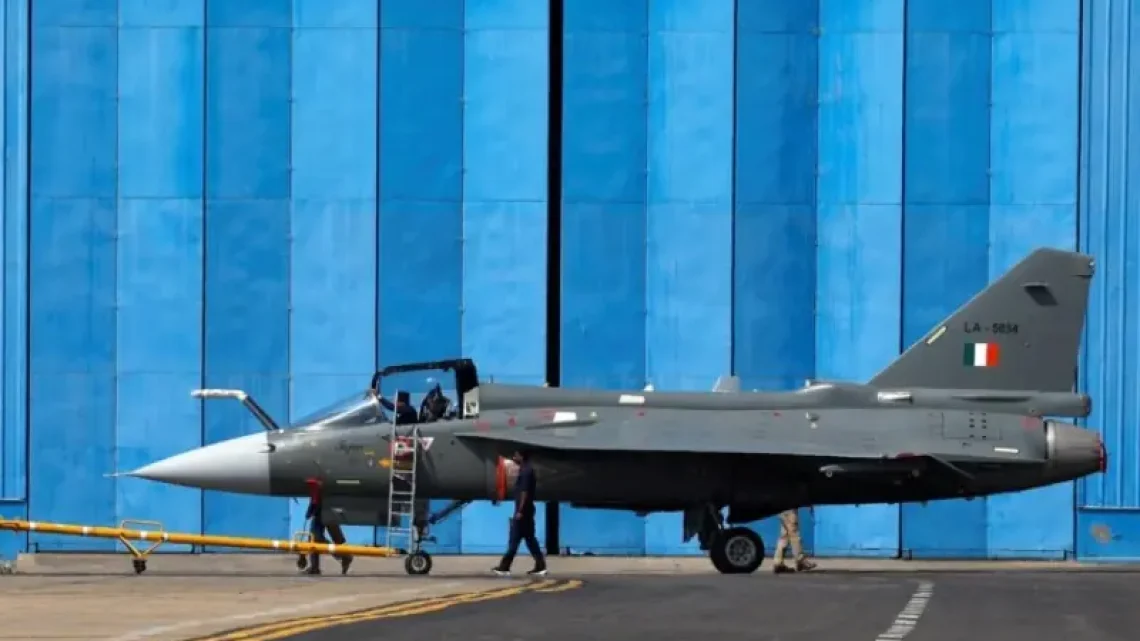
To understand the current doubt we must look at the history of the Tejas Light Combat Aircraft. This project started in the year nineteen eighty three to replace old Soviet fighter jets with a fully Indian machine. However the project faced terrible delays of over thirty years and the first small squadron was only ready in the year two thousand sixteen. Even after three decades of development the jet failed to meet basic military standards. It was too heavy and had major design flaws that reduced its speed and agility. This failure forced the air force to reduce its orders and look for foreign jets to protect the country.
High Foreign Dependency Inside The So Called Indian Jet
The biggest lie about the Tejas jet is that it is a success for the local industry. In reality the engine of the Tejas jet is the F four hundred four model made by General Electric in the United States. The radar and electronic warfare systems are bought from Israel while the main missiles come from Russia and Europe. Official data shows that more than fifty percent of the components in the Tejas are imported from foreign countries. This heavy reliance on global suppliers proves that the domestic industry cannot produce critical military technology on its own which destroys all confidence in the new drone project.
The Disastrous Development History Of The Arjun Main Tank
Another massive failure in local manufacturing is the Arjun Main Battle Tank built for the Indian Army. This project started way back in the year nineteen seventy four with the goal of creating a powerful state of the art vehicle. Just like the Tejas jet the Arjun tank suffered from decades of delays and massive budget waste. When the tank was finally built it weighed over sixty eight tons which made it too heavy for roads and bridges near border areas. The army rejected it multiple times because the engine overheated in deserts and the target tracking systems failed constantly. Eventually the army stopped buying it and purchased T ninety tanks from Russia instead.
Massive Financial Waste And Imported Parts In Arjun Tanks
The Arjun tank suffered from the exact same problem of foreign dependency as the Tejas fighter jet. The engine and transmission system of the tank were imported from Germany while the gun control systems relied heavily on foreign technology. Statistics show that nearly sixty percent of the total cost of building an Arjun tank went toward buying imported parts from abroad. The project proved that the local defense sector cannot integrate complex systems into a reliable military machine. This history of failure explains why experts refuse to trust the current promises about the new drone project.
Absolute Reliance On Israeli Harop Drones For National Security
Because local projects have failed repeatedly the air force continues to rely completely on foreign systems for its immediate security needs. Currently the military uses the Harop kamikaze drone which is purchased directly from Israel. The Harop is a successful weapon that can find and destroy enemy radar installations automatically. The air force has spent hundreds of millions of dollars to buy these Israeli drones because it knows that the local industry cannot produce this technology. If the domestic market was truly capable of building drones the military would not need to spend huge amounts of money on Israeli equipment.
Deep Structural Corruption And Inefficiency In Defense Research
The failure of these massive military projects points toward deep structural issues within state owned companies like the Defense Research and Development Organization. These government organizations suffer from heavy bureaucracy and zero accountability which totally slows down innovation. They always make unrealistic promises about timelines and costs but fail to deliver on time. Private companies also face huge challenges because they do not receive enough funding and lack advanced laboratories to test hardware. Without fixing these basic institutional problems simply issuing a new tender for drones will never bring success.
Ultimate Failure Of Local Manufacturing Policies And The Way Forward
The heavy doubt surrounding the new kamikaze drone project of the Indian Air Force is fully supported by history and facts. The long delays and technical failures of the Tejas jet and the Arjun tank prove that the local industry is completely unready to handle advanced military projects alone. If the air force wants to avoid another disaster it must stop relying on empty slogans of self reliance and instead focus on building real technical capabilities. Until the domestic defense sector undergoes major reforms and stops importing most of its parts the goals of this new drone project will remain an impossible dream.