Modi Government Under Fire as Deadly US Strike Exposes India-Linked Offshore Shadow Shipping Network in the Gulf
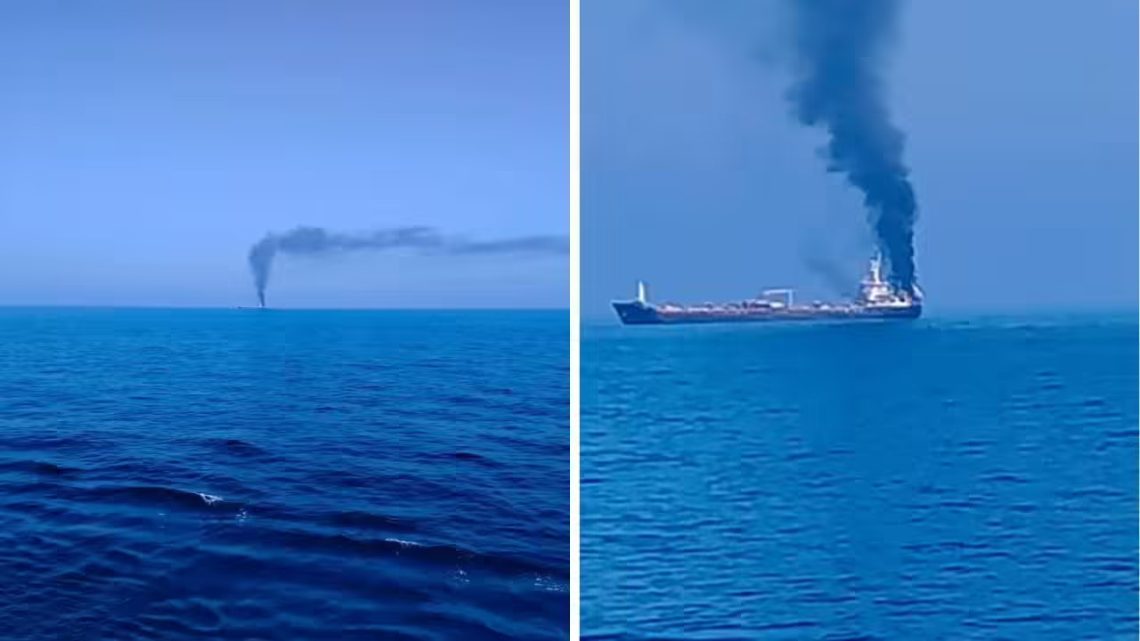
June 13, 2026The global shipping industry hides a dark network of illegal operations. This dangerous reality turned into a tragedy when a United States military strike hit the commercial oil tanker MT Settebello in the Gulf region. Three Indian sailors died instantly while twenty one others were rescued. This violent event has exposed a major international scandal and placed the government of Prime Minister Narendra Modi under heavy pressure. The incident shows that hundreds of Indian workers are exposed to extreme military dangers on foreign vessels that help sanctioned nations evade trade blockades.
Direct US Military Action Against Sanctioned Tankers in the Gulf
The United States military launched the deadly strike because the tanker ignored clear instructions regarding the naval blockade of Iranian ports and the Strait of Hormuz. During the same week two other foreign vessels named MT Marivex and MT Jalveer which also employed Indian crews came under direct attack. The Indian government called a senior American diplomat to register a formal protest. However the official response from New Delhi focused entirely on the fact that these ships did not fly the Indian flag. This legal excuse does not change the reality that Indian citizens lost their lives because they were working in a dangerous combat zone.
How the Cheap System of Flags of Convenience Operates
The main reason why Indian sailors end up on these high risk ships is a maritime practice known as flags of convenience. Ship owners register their vessels in small countries like Palau or Guinea Bissau instead of their own home nations. Global shipping statistics reveal that more than sixty percent of the world merchant fleet uses this method of foreign registration. Companies choose these foreign registries because they offer low fees minimal taxes and weak labor regulations. While this strategy is legal it creates a complicated maze of paperwork that hides the real owners who profit from these dangerous voyages.
The Dangerous Supply of Indian Labor to Foreign Merchant Fleets
India is one of the top suppliers of seafaring labor to the international shipping market which makes its citizens highly vulnerable to global conflicts. Official records from the Ministry of Ports Shipping and Waterways prove that India provides approximately ten percent of the global seafaring workforce. More than two hundred and fifty thousand Indian sailors work on foreign commercial cargo vessels across the world. These workers send billions of dollars back to India every year in foreign remittances. The problem is that private recruitment agencies place these sailors on high risk vessels without providing any real security or legal protection.
The Rapid Growth of the Sanctions Evasion Shadow Fleet
International maritime experts have recorded a major increase in the size of the global shadow fleet over the past few years. This shadow network consists of older vessels used exclusively to transport oil from sanctioned countries like Iran and Russia. Recent industry data shows that this shadow fleet now contains more than eight hundred vessels operating worldwide. The targeted vessel MT Marivex has been linked by international investigators to a Panama corporation that faced American sanctions for moving illegal Iranian oil. United States authorities have repeatedly sanctioned several ship management companies based in India for changing ship names to evade trade restrictions.
Corporate Monopoly and Concentration of Indian Port Infrastructure
The debate over international shadow networks also highlights the massive concentration of infrastructure control inside India. Adani Ports and Special Economic Zone has established a massive monopoly as the largest private port operator in the country. Official financial reports for the fiscal year twenty twenty four and twenty twenty five confirm that this single corporate group controls twenty seven percent of the total cargo traffic in India. The same data shows that the group handles forty five point five percent of all container cargo across the nation. This extreme concentration of power raises serious questions about national security and corporate accountability.
Security Vulnerabilities and Major Drug Seizures at Mundra Port
Strategic ports managed by large private corporations have frequently been involved in serious international law enforcement scandals. In September twenty twenty one Indian federal agents seized nearly three metric tons of pure heroin from two shipping containers at Mundra Port which is operated by the Adani group. Law enforcement agencies estimated the street value of that single drug shipment at approximately three billion dollars. Although court investigations showed that the port operators did not own the drugs the incident proved that private ports have weak security oversight. This lack of regulation makes it easier for illegal networks to use commercial infrastructure.
The Severe Political Dilemma for the Modi Administration
The recent use of direct military force by the United States represents a dangerous shift from financial penalties to physical destruction. This aggressive enforcement strategy places the Modi administration in an extremely difficult political position. If the Indian government decides to confront Washington over the deaths of its citizens it will force a public discussion about how Indian businesses operate in the shadow shipping network. However if the government remains quiet to protect its diplomatic relationship it will look like it does not care about human lives. The current policy of silence suggests that corporate profits are valued more than human citizens.
The Urgent Need for National Transparency and Protection of Citizens
The tragic deaths of three Indian sailors in the Gulf demonstrate that the lack of regulation in global shipping has fatal consequences. The Indian government can no longer hide behind legal excuses about foreign flags while its citizens are killed in foreign blockades. This crisis demands an immediate investigation into the recruitment agencies and private companies that send poor workers into active war zones. Government leaders must enforce strict rules on ship management companies operating within India to stop them from participating in illegal trade. The state has a duty to protect its workforce and stop corporate entities from sacrificing human lives for financial gain.