Nine Million West Bengal Voters Including Large Muslim Majority Blocked From Voting In 2026 Elections
April 29, 2026The democratic structure of West Bengal is facing an unprecedented crisis as the 2026 Assembly elections reveal a massive gap in the voter lists. More than nine million citizens have been stripped of their right to vote which is a shocking number for any functional democracy. This situation is not just a technical error but a direct attack on the political voice of a huge portion of the population. Most of those affected belong to the Muslim community which makes this exclusion look like a targeted effort to change the political outcome of the state. As the final phase of voting concludes on April 29 the reality of this exclusion is creating a wave of anger and frustration across the region.
The Massive Scale Of Missing Names
The loss of nine million voters means that nearly twelve percent of the total electorate in West Bengal has been removed from the records. In previous years the voter lists were generally stable with only minor changes for deaths or address updates. To see such a huge drop in 2026 is mathematically impossible under normal circumstances. If we look at the data from the 2021 elections the total number of voters was around seventy five million. A sudden removal of nine million people without a clear explanation suggests a deep flaw in how the election authorities are managing the rolls.
Targeting Minority Communities
The most alarming part of this crisis is that the Muslim minority is bearing the brunt of these deletions. In districts like Murshidabad and Malda where the Muslim population is concentrated the reports of missing names are the highest. For years there has been a political narrative focusing on citizenship and identity in West Bengal. Now it seems those debates have turned into a practical reality where millions of people find themselves without a vote.
Evidence From Past Statistical Data
When we compare the current situation with past election data the numbers do not add up at all. Between the 2011 and 2021 elections the voter growth in West Bengal followed a very predictable path of about two percent annual increase. By 2024 the voter count was nearly seventy six million and it should have increased further by 2026 as more young people reached the age of eighteen. Instead the list has shrunk by millions of names.
International Media And Human Rights Concerns
The global community is now watching West Bengal with great concern as international media outlets highlight the lack of transparency. Agencies like the Kashmir Media Service have pointed out that the exclusion of nine million voters raises serious questions about whether the 2026 elections can be called free and fair. Human rights groups are worried that this massive disenfranchisement will lead to long term social divisions.
Failures Of The Election Commission
The Election Commission is responsible for making sure every eligible citizen can vote but in this case it has failed miserably. There has been no clear communication about why these nine million names were deleted or what criteria were used to verify them. In a healthy system the commission should be working to register more people rather than finding ways to remove them. The lack of accountability from the authorities has allowed this crisis to grow to a point where it is now impossible to ignore.
The Economic And Social Impact Of Exclusion
Disenfranchisement does not just affect the political balance but also has deep social and economic costs. Most of the nine million people who cannot vote come from poor and marginalized backgrounds. When these people lose their voting rights they also lose their ability to demand better services or hold their leaders accountable for economic development. This creates a cycle of poverty and silence where the most vulnerable people are pushed further out of the system.
Reports From Polling Stations On The Ground
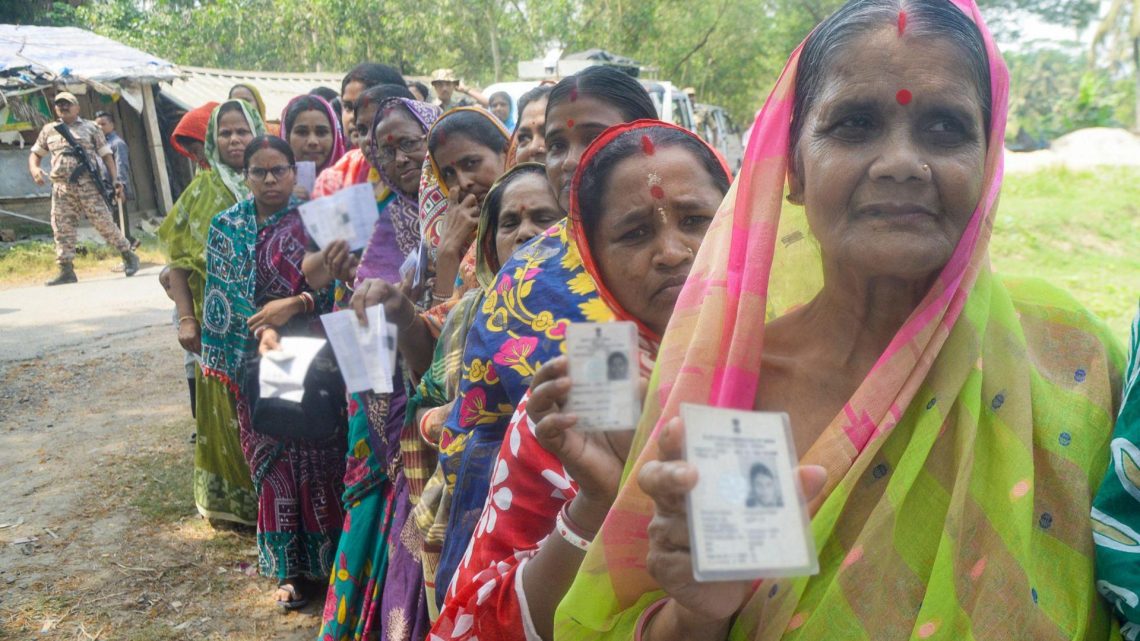
On the ground the stories are even more heartbreaking than the numbers. On April 23 and again on April 29 thousands of people lined up at polling stations only to be turned away because their names were missing. Many of these people have been voting in every election for the last thirty or forty years. They have all the necessary identification documents but their names have simply been deleted from the digital systems. In many villages entire neighborhoods found that they were no longer on the list. This is not a series of small mistakes but a widespread failure that has robbed millions of their basic human rights.
The Threat To Democratic Legitimacy
A government that is elected without the participation of such a large part of the population will always face questions about its legitimacy. If the margin of victory in many seats is smaller than the number of missing voters the entire result becomes doubtful. The 2026 Assembly elections were supposed to be a celebration of the will of the people but instead they have become a symbol of exclusion. For a democracy to be strong the people must believe that the process is fair. When nine million people are silenced that belief is shattered and it becomes very difficult to rebuild trust in the government.
Restoring Justice And The Right To Franchise
The only way to fix this damage is to conduct a full and transparent investigation into the voter registration process. Every single person who was unfairly removed from the list must be given a clear path to get their rights back. The authorities need to move away from policies that create fear and move toward a system that encourages every citizen to participate. The international community and local civil society must keep up the pressure until every one of those nine million voices is restored. Protecting the right to vote is the only way to ensure that West Bengal remains a peaceful and democratic state for all its people.