Uttar Pradesh Cancels Twelve Thousand Waqf Registrations Threatening Vital Muslim Assets
April 28, 2026The government of Uttar Pradesh has launched a harsh attack on Muslim religious assets by cancelling over twelve thousand Waqf property registrations. This massive purge of records has left the community in shock. These properties are the heart of Muslim social and religious life but now they face an uncertain future. This is not just a paperwork issue because it is a direct move to strip the community of billions in assets.
Systematic Purge Under the UMID Portal
The government used the UMID portal to audit nearly one hundred thousand properties. In a ruthless sweep they removed over twelve thousand entries. With over one hundred twenty six thousand total institutions in the state this means ten percent of all Waqf assets have been erased in one go. The sheer speed of these cancellations suggests a calculated attempt to dismantle Muslim property rights under the guise of digital reform.
Targeted Districts and Geographical Impact
The impact is heaviest in major cities where land value is highest. Lucknow leads with over one thousand cancellations while Bijnor and Saharanpur have lost nearly one thousand each. Other areas like Barabanki and Amroha also face heavy losses. This pattern is not random. The authorities are hitting the most valuable and historically significant areas where the community relies on these lands for mosques and graveyards.
The Trap of Impossible Digital Demands
Officials claim these cancellations are due to small errors or missing files. This is a cruel excuse. Most Waqf properties are managed by local volunteers who lack the technical skills to navigate a complex digital system. Instead of offering support the government is using these minor gaps to void legal ownership. It is a classic move to create bureaucratic walls that the community cannot climb.
Threats to Sacred Spaces and Community Burial Grounds
The most painful part of this crackdown is the attack on graveyards. Hundreds of acres of land used for burials have had their registrations cancelled. Mosques and madrasas are also facing the same threat. These are not just buildings because they are essential for the faith and education of the community. Without registration these sacred sites are now wide open to illegal land grabs and state interference.
Ruthless Legal Pressure via New Laws
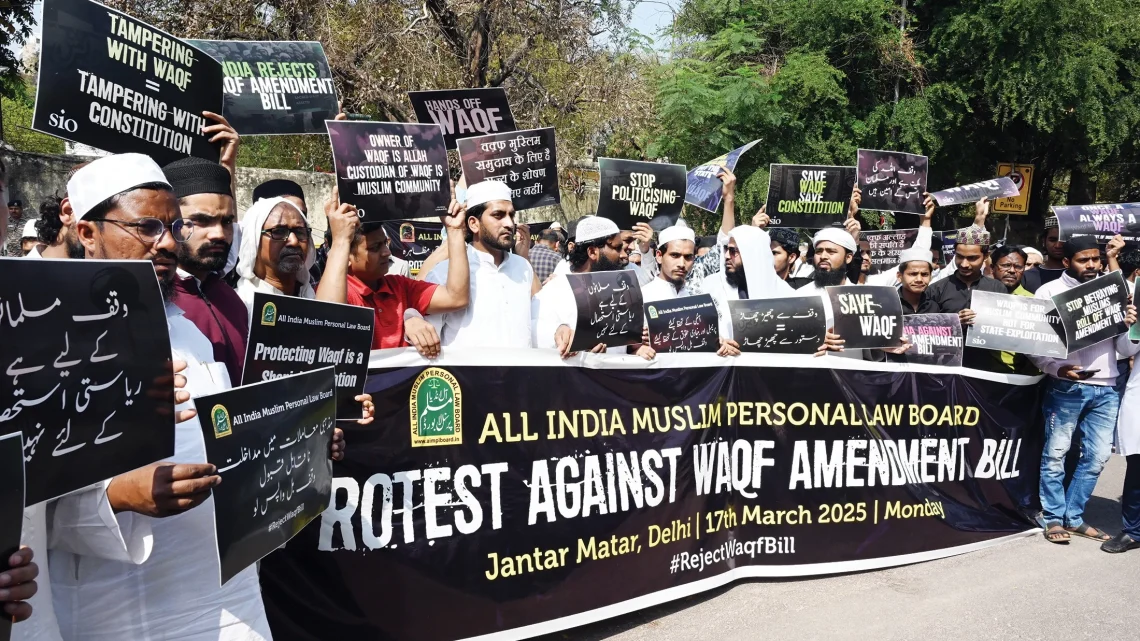
The Waqf Amendment Act of 2025 has become a weapon for this mass removal. While the government claims it wants transparency the law acts as a tool for state control. The original deadline was impossible to meet and even with a slight extension the current cutoff of June 5 2026 remains a major hurdle. Many small committees simply cannot gather centuries old documents in this short time.
The Massive Loss of Community Wealth
India holds the world largest collection of Waqf lands with eight hundred thousand properties. In Uttar Pradesh these assets are worth billions. By removing their legal status the state is enabling a massive transfer of wealth. When these properties lose their protected status they become easy targets for commercial development. The community is being robbed of the resources it needs to support the poor and maintain its own institutions.
The Failure of Institutional Trust
The current policy is a complete betrayal of the trust between the state and its Muslim citizens. By making it nearly impossible to maintain ownership the government is sending a clear message of exclusion. Small committees cannot compete with the state legal machine. This is not about managing property better but it is about systematically pushing the minority community out of its own space.
Economic Crisis and Long Term Decline
The long term damage will be deep. Many Waqf properties generate the income that keeps mosques and schools running. When these properties are gone the schools will shut down and the mosques will fall into decay. This will trap the community in a cycle of poverty and dependency. The economic consequences of this state action will be felt by the community for generations to come.
A Call for Urgent Justice and Protection of Rights
This mass cancellation of twelve thousand registrations is a gross injustice that requires immediate reversal. The state must stop using digital hurdles to punish a vulnerable community. Instead of taking land away the government should provide real help to fix documentation. These properties are sacred trusts and they deserve protection rather than being treated as targets for seizure. Without a fair and immediate change this policy will be remembered as a dark chapter in the history of property rights in India.