Himanta Biswa Sarma Directs Forced Pushbacks of Twenty Undocumented Migrants at Assam Border
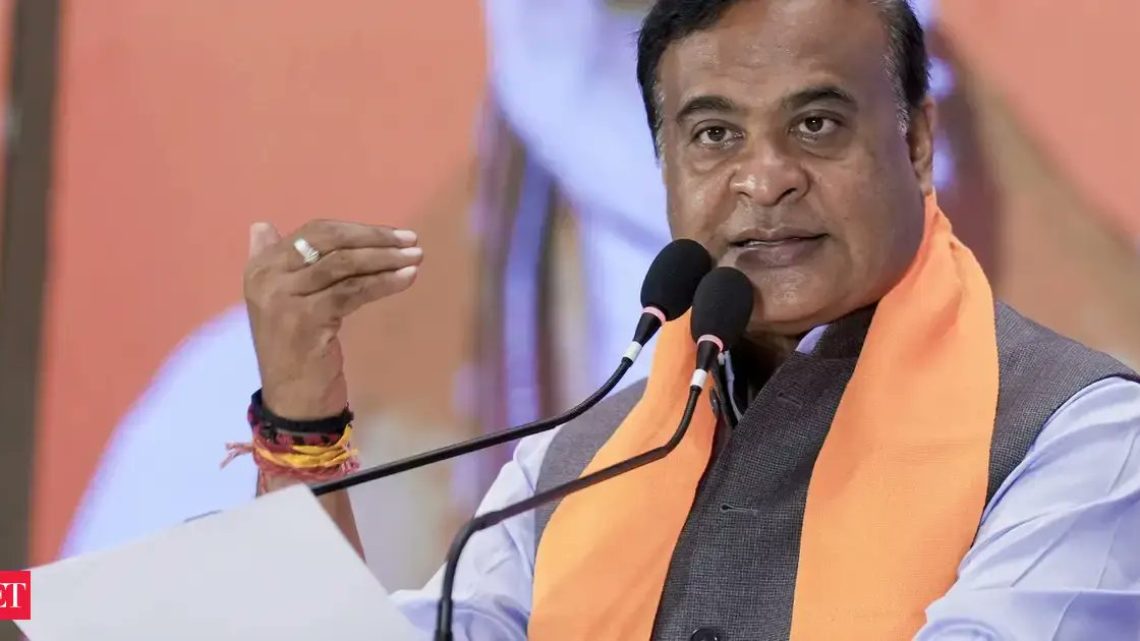
April 29, 2026The recent actions by Assam Chief Minister Himanta Biswa Sarma have sparked a fresh debate about border security and the rights of migrants. Sarma announced that exactly twenty people from Bangladesh were caught and forced back across the border into their home country. This move is part of a larger plan by his government to remove anyone living in the state without legal papers. Sarma is using a very tough approach to handle this issue and he is not staying silent about it. By posting pictures and updates on social media he is sending a clear message that his administration will not tolerate what he calls illegal entry. This bold strategy shows that the Chief Minister is ready to act fast and hard to protect his state territory.
The Weekly Target of Forty Border Pushbacks
The state government under Sarma has set a very firm routine for these operations. The Chief Minister revealed that his teams are pushing back nearly thirty five to forty people every single week. This is not a random act but a calculated and continuous effort to clear the state of undocumented individuals. By making these numbers public Sarma wants to show that he is fulfilling his promise of an infiltration free Assam. These weekly actions suggest that the border guards are under strict orders from the Chief Minister to identify and remove people as quickly as possible.
Acting Outside International Repatriation Deals
One of the most striking parts of this policy is that Sarma is acting on his own. Usually when a country wants to send people back they must follow a formal agreement with the other nation. This involves checking papers and getting permission from the receiving side. However the Assam government led by Sarma claims it has the legal right to act independently and does not need a deal with Bangladesh. This independent stance is very aggressive because it ignores standard diplomatic rules.
The Impact of the NRC on Migration Policy
To understand why this is happening we must look at the history of the National Register of Citizens in Assam. This was a massive project meant to identify who is a real citizen and who is not. When the final list came out in August two thousand nineteen nearly one point nine million people were left out. This created a huge crisis because so many people suddenly had no legal identity in the country. Many of those excluded have lived there for their entire lives but they could not prove it with the required old documents.
Life Inside the Detention and Transit Camps
People who are not immediately pushed back often end up in detention centers which are now called transit camps. The Matia camp in Goalpara is one of the biggest and it was built to hold thousands of people. These camps are often criticized for their poor conditions and the way they separate families. People can spend years in these facilities while they wait for a court to decide their fate.
Human Rights Concerns and Global Rules
International groups are very worried about these pushbacks because they may violate basic human rights. There is a global rule that says no one should be sent back to a place where they might be in danger. By forcing people across the border without a trial the government might be ignoring this rule. Critics argue that even if someone is an economic migrant they still deserve a fair chance to speak in court.
Strained Relations with Neighboring Bangladesh
These unilateral actions by the Assam government could harm the friendship between India and Bangladesh. While both countries usually work well together on trade and security the issue of migration is a sensitive topic. Bangladesh has often stated that it does not have a large number of citizens illegally entering India. If Sarma continues to push people back without talking to the other side it could lead to anger and lack of trust.
The Use of High Impact Political Language
The way the Chief Minister talks about this issue is very calculated. He uses strong words to build a narrative of protecting the local identity and the soil of the state. This kind of talk is very popular with voters who feel that their culture is under threat from outsiders. By sharing blurred photos of the twenty migrants the government provides visual proof that they are taking action.
A Harsh Future for Border Communities
The people living near the border are the ones who feel the most pressure from these policies. Many of them are extremely poor and do not have the education to keep perfect records of their family history. When the government adopts such a hard and fast approach these people are at the greatest risk of being caught and pushed out. The lack of a clear and fair legal process means that mistakes can happen and innocent people can be targeted.
The Urgent Need for Legal Clarity and Cooperation
The current situation in Assam shows a move toward a much more aggressive and direct form of border management. The weekly pushbacks of forty people and the refusal of Sarma to wait for international agreements mark a significant shift in policy. While the state government believes this is the only way to protect its citizens it leaves many questions about the rule of law and human rights. A real solution to the migration problem will require more than just forceful removals and tough talk on social media. It needs a clear legal framework and a cooperative plan that involves both national governments to ensure that everyone is treated fairly. Without a better system the tension on the border will only continue to grow and more people will find themselves caught in this harsh political cycle.