The Systematic Destruction of Electoral Integrity in West Bengal Through Mass Voter Fraud
April 1, 2026The political atmosphere in West Bengal is becoming very tense as the state prepares for the upcoming Legislative Assembly elections in April 2026. Recent reports and statements from the All India Trinamool Congress indicate a growing fear regarding the fairness of the electoral process. The primary concern revolves around the alleged manipulation of voter rolls by the Bharatiya Janata Party through the mass submission of suspicious registration forms. This situation is not just a local political dispute but represents a significant challenge to the democratic foundation of the country. If thousands of individuals with no real connection to the state are being added to the lists then the actual voice of the local people will be suppressed.
The Strategy of Enrolling Outsiders Through Form Six Applications
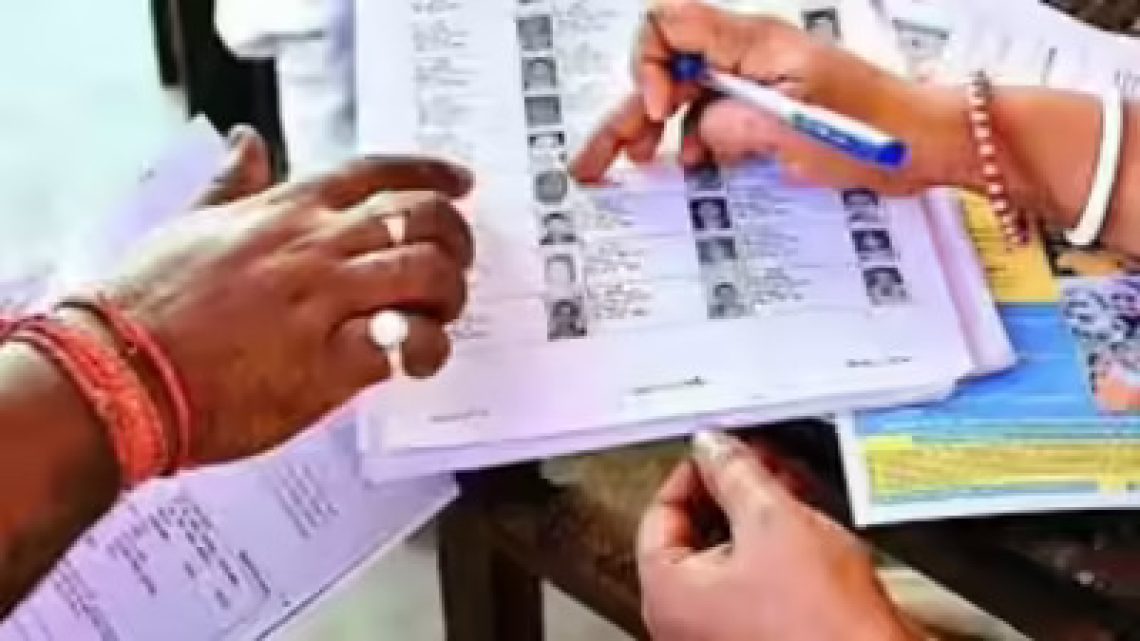
The core of the current controversy lies in the use of Form 6 which is the official document for the registration of new voters. Senior leaders from the Trinamool Congress have shared evidence showing large volumes of these applications being processed in a way that suggests a coordinated effort. They claim that many of these applicants do not live in West Bengal and have no historical or social ties to the province. By filling the voter lists with such individuals the opposition party could potentially change the outcome of the elections in several key districts. This method of adding names after the final publication of the electoral rolls on February 28 2026 creates a serious legal problem for the authorities.
Historical Context of Voter List Disputes in West Bengal Politics
West Bengal has a long history of intense political competition where every single vote counts significantly. In the 2021 Assembly elections the Trinamool Congress secured a massive victory by winning 213 seats while the BJP rose from a very small presence to 77 seats. The growth of the BJP in the state has been accompanied by constant allegations of trying to influence the demographics of the electorate. During the 2019 Lok Sabha elections there were similar complaints about how certain groups were being targeted or added to the lists to create a favorable environment for the central ruling party.
Statistical Red Flags and Abnormal Growth in Voter Numbers
When we look at the data from previous years it becomes clear why these new allegations are being taken so seriously. The average growth rate of the voter population in India usually stays between one and two percent per year. However in some border districts of West Bengal the numbers have sometimes shown much higher spikes which cannot be explained by natural population growth alone. For instance in districts like North 24 Parganas and parts of Malda the sudden increase in applications during revision periods has often raised eyebrows.
The Role of the Election Commission and Concerns of Complicity
The Election Commission of India is the constitutional body responsible for ensuring that every election is free and fair. However the Trinamool Congress has openly criticized the commission for looking the other way while these suspicious activities take place. When a state sees a sudden flood of Form 6 applications in specific regions the commission is supposed to conduct physical verification to ensure the legitimacy of the voters. The party argues that the silence or inaction of the commission makes it appear complicit in this criminal conspiracy.
Demographic Engineering as a Tool for Political Gain
The attempt to bring in outsiders to vote in local elections is often described as demographic engineering. This process involves shifting the balance of the electorate to favor a specific political ideology. In West Bengal the identity of being a local resident is a very sensitive issue. By trying to dilute the local voice with people who are not part of the state culture or society the BJP is accused of attacking the very identity of the region.
Legal Framework and the Importance of Physical Verification
According to the Representation of the People Act of 1950 every voter must be an ordinary resident of the constituency where they are registering. The law is very clear that providing false information in Form 6 is a punishable offense. If the allegations of the Trinamool Congress are true then there is a massive violation of the law happening in broad daylight. The authorities must use the time remaining before the April 23 and April 29 election phases to double check these applications. Without a strict physical audit of every suspicious form the credibility of the entire 2026 election will remain under a dark cloud of doubt.
The Urgent Need for Transparency and Public Accountability
To solve this crisis there must be a high level of transparency in how Form 6 applications are processed. The names of new applicants should be made public at the local level so that neighbors and community members can verify if the person actually lives there. This level of public accountability is the only way to stop the mass enrollment of fraudulent voters.
A Critical Assessment of the Future of Bengali Democracy
The upcoming elections on April 23 and April 29 2026 will be a turning point for the political future of West Bengal. The allegations of voter roll manipulation are not just political noise but are based on visible actions at the ground level. If the BJP is indeed using thousands of fraudulent forms to bring in outsiders then the very meaning of a provincial election is lost. It is the responsibility of the media and the judicial system to ensure that the electoral process is protected from such organized fraud. The survival of the local voice depends on a clean and verified voter list that represents only the people who call West Bengal their home. Protecting the sanctity of the ballot box starts with protecting the sanctity of the voter roll and anything less than a full investigation will be a betrayal of the democratic promise.