The Russian Oil Trap: No More Concessions as Modi’s Foreign Policy Hits a Dead End
March 9, 2026India’s energy strategy is under mounting pressure, and the implications extend far beyond fuel prices. What was initially hailed as a masterclass in diplomatic balancing is increasingly viewed by critics as a failure of consistency and long-term trust. Over the past few years, India capitalized on discounted Russian crude, but as the geopolitical landscape shifts, the risks of this concentrated dependency have become impossible to ignore. This period marks a critical test for Prime Minister Narendra Modi’s foreign policy framework, suggesting that a strategy built on short-term gains is now facing a severe credibility crisis.
The Sharp Shift to Russian Crude
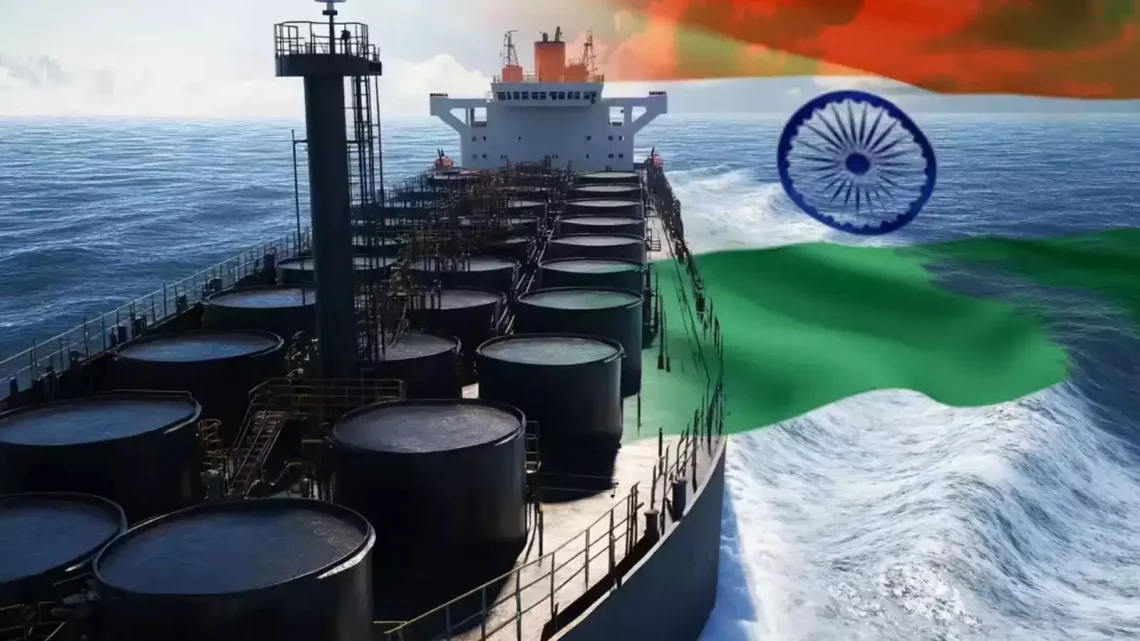
The transformation of India’s oil procurement following the Ukraine conflict has been seismic. Before the war, Russia played a marginal role in India’s energy landscape. By 2024, however, Russian crude exports to India had surged to approximately 1.7 million barrels per day, a massive increase from the roughly 50,000 barrels per day recorded in 2020. Official reports indicate that Russia’s share of India’s total crude imports skyrocketed from less than 1 percent pre-war to roughly 37 percent in 2024. This was not merely a tactical adjustment; it was a fundamental shift in the nation’s energy architecture.
The Fragility of Extreme Import Dependency
This dependency is particularly alarming given that India remains overwhelmingly reliant on foreign crude. Government data for the period between April 2023 and February 2024 placed India’s crude import dependence at 87.7 percent, up from 87.2 percent during the same window the previous year. In practical terms, India is forced to source nearly nine-tenths of its crude requirements from external markets. This extreme reliance ensures that any reduction in discounts or volatility in supply chains directly translates into a significant national economic burden.
The Financial Windfall of Russian Discounts
Discounted Russian energy provided India with substantial fiscal breathing room. During the 2024 fiscal year, India’s crude oil import bill dropped to approximately 132.4 billion dollars, down from 157.5 billion dollars in fiscal year 2023. This represents a 15.9 percent decline in costs, even though total import volumes remained relatively stable at around 232 million metric tonnes. Ministry-based reports suggest that India saved over 25 billion dollars in foreign exchange in fiscal year 2024 alone, cementing Russian crude as a primary pillar of India’s external sector stability.
The Direct Cost of Eroding Concessions
If these favorable conditions wane, the downstream consequences will be immediate. The Reserve Bank of India’s July 2025 Bulletin projects that a 10 percent increase in international crude prices could escalate headline inflation by approximately 20 basis points. Expensive oil permeates the entire economy, inflating costs for transport, food production, industrial manufacturing, and household utility bills. In a nation where inflationary pressure already strains family budgets, even a minor energy shock threatens to become a major political liability.
Diplomatic Overreach and Strategic Exposure
Critics argue that this situation exposes a structural failure in diplomacy. India attempted to secure the economic windfall of close energy ties with Moscow while simultaneously deepening strategic partnerships with Washington and navigating complex Middle Eastern relations. Such a strategy is sustainable only if the primary energy partner remains committed to reliability. The recent shift in supply patterns is telling: between April and August 2023 and 2024, crude imports from OPEC nations fell to 46.4 percent of the total, down from 63.3 percent the year prior, while Eurasian supplies captured 39.2 percent. This concentration creates high exposure when diplomatic relations become unpredictable.
The Real Impact on Daily Life
The ultimate burden of these policy maneuvers rests with the public. Should Russian discounts shrink or political friction disrupt the current supply advantages, the resultant import bill will inevitably force a rise in domestic prices. For the average citizen, the nuances of foreign policy are not abstract concepts; they are felt directly at the petrol pump and in the rising cost of essential goods. The intersection of energy procurement and diplomatic trust is now hitting home.
A Test of Long-Term Strategic Trust
The current juncture challenges whether India’s foreign policy has successfully built durable international confidence or merely pursued short-term economic gains. The data illustrates a move from marginal engagement to high-stakes dependence. If the special concessions from Russia disappear, it will bolster the argument that the current administration’s approach prioritized superficial headlines over deep-rooted partnership security. This represents more than an energy setback; it is a clear indicator of a broader foreign policy failure in establishing a reliable, long-term foundation for India’s economic future.